
Dengue Fever in Patients & Its Symptoms
Dengue fever symptoms start to appear four to seven days after being stung by an infectious mosquito.


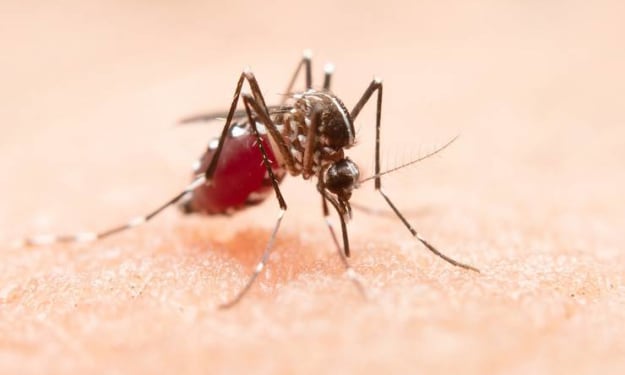
Dengue is mainly a mosquito-borne disease that generally causes flu-like symptoms and high fever. Individuals may get dengue fever from a mosquito bite that carries that particular virus. People from tropical and subtropical areas usually suffer from dengue fever.
It is one of the most common diseases in Southeast Asia, Latin America, the Western Pacific Island, and Africa. In general, Dengue is not contagious from one individual to another except when transmitted from a pregnant person to their babies. Individuals suffering from mild symptoms at first. But, when a person gets another infection with a different variation of the DENV, that individual will be at a high risk of getting severe post-dengue symptoms.
According to research, around 400 million individuals get dengue each year, although most (almost 80%) show no symptoms.
Symptoms of Dengue
Dengue fever symptoms start to appear four to seven days after being stung by an infectious mosquito. Some people may not exhibit any symptoms. When symptoms appear, they might be confused for other conditions, such as the flu.
Symptoms of mild dengue include:
1. Unexpectedly high fever that may reach 104–106 °F: Most folks get well in about a week. In certain situations, symptoms might become worse and even be fatal. Severe dengue, dengue shock syndrome, or dengue hemorrhagic fever are used to describe it. In certain situations, it produces a sudden decrease in blood pressure, resulting in death.
2. Skin rashes: Skin rashes begin 2 to 5 days after the commencement of a fever, and they are one of the odd signs of dengue. When skin rashes and a high fever are present, one should seek medical attention immediately.
3. Painful joints and muscles: One of the drowsiest dengue symptoms, it leaves patients feeling exhausted. Everyday activities seem like rigorous exercises, making it difficult for the individual to stand or walk. Lethargy caused by dengue is considerably distinct from regular lethargy. In addition to the unpleasant joint discomfort, dengue fever also comes with it.
4. Nausea: Extreme motion sickness combined with a lack of appetite will prohibit someone from eating anything. They report that they immediately feel the need to vomit after eating anything. Those with dengue fever often experience severe vomiting as a symptom of their illness.
5. Behind-the-eye discomfort: Those with dengue fever will have strong headaches and persistent pain behind the eyes, which may be quite uncomfortable.
Symptoms of severe dengue Include:
1. High fever: A dengue fever may reach 106 °F (41 °C) and cause patients to become bedridden very quickly.
2. A bleeding nose: Because of the severe depletion of platelets, the body is at risk for aggressive bleeding from the mouth or nose. Moreover, internal bleeding is possible, which makes bruising easier.
3. Severe stomach pain: In addition to experiencing stomach discomfort, a person may also have muscular pain, which makes it more difficult to handle. Attending a doctor's appointment is preferable to using over-the-counter drugs.
4. Drop in platelet count: After conducting a blood test for dengue, it is discovered that the platelet count has substantially decreased. That is a concerning sign that must never be disregarded. The average platelet count per microliter of blood is between 1.5 lakhs and 4.5 lakhs. This count may drop to 20,000 or even below in a dengue patient, but it returns to normal when the patient recovers.
Conclusion
Dengue fever is caused by a virus transmitted from person to person via mosquito bites. Symptoms are often absent in most persons. If they do, the signs and symptoms are often not severe. Dengue fever may, in rare circumstances, prove fatal.
A rash, fever, and muscle and joint discomfort are all possible symptoms of dengue and malaria. A person with more severe indications could also have bleeding from the nose or gums and other symptoms, including frequent episodes of vomiting. Those with severe dengue should consult a doctor at Livlong immediately.
About the Creator
Keep reading
More stories from Reshma Sharma and writers in Lifehack and other communities.
Common Causes & Different Types of Malaria
Malaria is often transmitted by the bite of a female mosquito infected with the parasite that causes the disease. Blood testing or identification of the protozoa in a blood sample is used to confirm an infection diagnosis by medical professionals. Several antimalarial medications are used for the treatment and prevention of malaria infection. The drug chosen is determined by the malaria species producing the infection, the occurrence of drug resistance in the location where the malaria species developed, the drug's adverse effects, and the cost.
By Reshma Sharma3 years ago in Lifehack
Apple iPhone Security Warning: What’s Happening, Why It’s Trending, and How to Protect Your Device
Search interest in the phrase “Apple iPhone security warning” has surged dramatically across the UK in the past 24 hours, according to Google Trends. The sudden spike suggests that thousands of iPhone users are encountering or at least hearing about the security alerts and are unsure whether they are legitimate or a cause for concern.
By James Anderson4 days ago in Lifehack


Comments
There are no comments for this story
Be the first to respond and start the conversation.