
Debunking Myths About Organic Food – What You Need To Know
Some believe organic food is just a marketing gimmick, while others think it's not worth the price.

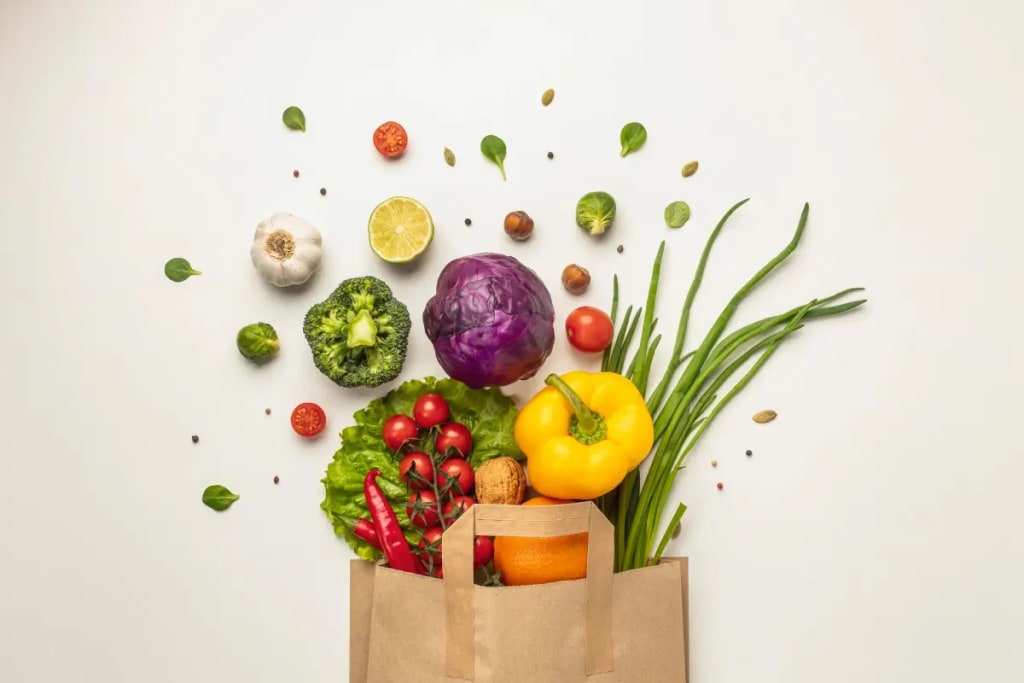
Organic food has become increasingly popular, but with its rise, many myths and misconceptions have also surfaced. Some believe organic food is just a marketing gimmick, while others think it’s not worth the price.
Let’s separate fact from fiction and debunk some common myths about organic food.
Myth 1: Organic Food is No Different Nutritionally
Some argue that organic food offers no additional nutritional benefits compared to conventionally grown produce. However, studies indicate that organic fruits and vegetables often contain higher levels of essential nutrients, antioxidants, and beneficial plant compounds due to the natural farming methods used.
Myth 2: Organic Farming Cannot Feed the World
Critics claim that organic farming cannot produce enough food to sustain the global population. While conventional farming focuses on high yields, organic farming prioritizes soil health, biodiversity, and sustainability. With advancements in organic practices and regenerative agriculture, organic farming can contribute to food security without harming the environment.
Myth 3: Organic Food is Always Expensive
While organic food can be pricier, the cost often reflects ethical farming practices, better soil management, and the absence of synthetic chemicals. Moreover, buying seasonal and locally grown organic produce can make it more affordable. Investing in organic food is an investment in long-term health and environmental sustainability.
Myth 4: Organic Food Does Not Use Pesticides
A common misconception is that organic farming does not use pesticides. In reality, organic farmers use natural or approved bio-based pesticides that are less harmful than synthetic chemical alternatives. The goal is to minimize chemical exposure while maintaining crop health.
Myth 5: Organic Labels Are Just Marketing Tactics
Some believe the organic label is just a marketing strategy with no real value. However, certified organic food must meet strict guidelines set by regulatory authorities. Organic certification ensures the food is grown without synthetic pesticides, GMOs, or artificial additives, offering consumers a trustworthy choice.
Knowledge is power, Take informed decisions:
Organic food is more than just a trend — it is a conscious choice that supports better health, sustainability, and ethical farming. While myths continue to circulate, understanding the real benefits of organic food helps make informed decisions. By choosing organic fruits and exotic vegetables from Naysha Farms, you contribute to a healthier lifestyle and a more sustainable planet.
Here are 5 Reasons to Switch to Organic Fruits & Vegetables Today.
Organic food has long been a topic of debate, with myths often clouding the real benefits it offers. From assumptions about its nutritional value to misconceptions about its cost and availability, these myths can influence our decisions without a solid understanding of the facts. However, when we look closer, it becomes clear that organic food isn’t just a lifestyle trend — it’s a conscious choice towards better health, environmental care, and sustainable living.
One of the most common myths is that organic food is always more expensive or harder to find. While prices can vary, the growing demand for organic produce has made it increasingly accessible, with many local farms and stores offering competitive rates. Moreover, choosing organic isn’t only about what’s in your food — it’s also about what’s not. Fewer pesticides, no synthetic fertilizers, and the absence of genetically modified organisms (GMOs) are among the key factors that make organic produce a cleaner and often safer option.
Another myth is that organic food doesn’t offer more nutrition than conventional produce. While research continues in this area, some studies show higher levels of certain antioxidants in organic fruits and vegetables. But beyond nutrition, many people choose organic for the peace of mind — knowing they’re supporting environmentally friendly farming and reducing their exposure to harmful chemicals.
In the end, debunking these myths allows consumers to make choices based on truth rather than misinformation. Whether you're buying organic for health, taste, environmental reasons, or all of the above, being informed empowers you to shop smarter. Organic food may not be the only solution, but it is certainly a meaningful step toward a healthier and more sustainable future — for you and for the planet.
About the Creator
iDigitize Infotech LLP
We at iDigitize, elevate Brands with impactful digital marketing experiences & web development services. From developing your web presence to conveying your brand’s story, we align design & development with effective strategies
Keep reading
More stories from iDigitize Infotech LLP and writers in Lifehack and other communities.
5 Reasons To Switch To Organic Fruits & Vegetables Today
In recent years, organic food has gained immense popularity, and for good reason. People are becoming more conscious of what they eat, where it comes from, and how it impacts their health and the environment.
By iDigitize Infotech LLP11 months ago in Lifehack
The Real Reason You’re Burned Out — And It’s Not Lack of Grit
Burnout gets framed as a personal failure. Not disciplined enough. Not organized enough. Not gritty enough. But here’s the truth: you’re not burned out because you’re weak. You’re burned out because you’re human — in a culture that demands you operate like a machine.
By Tracy Stine4 days ago in Lifehack
How to Save Money When You Live Paycheck to Paycheck
Saving money feels impossible when paying bills and putting food on the table becomes a weekly struggle. It seems like Pac-Man swoops in and gobbles up all the bills the second your paycheck hits the bank. But there’s always room to save. Life happens. It's better to be prepared for those rainy days than caught in the storm. Get your savings on by making small lifestyle changes. A few tweaks can help uncover money you didn’t realize you had. Put the money toward your nest egg and leave one worry behind. Check out the simple ways you can reduce costs and save money.
By Criminal Mattersabout 3 hours ago in Lifehack


Comments