
DC-DC Converters vs. AC-DC Converters: When to Use Each
Power Supply Converters

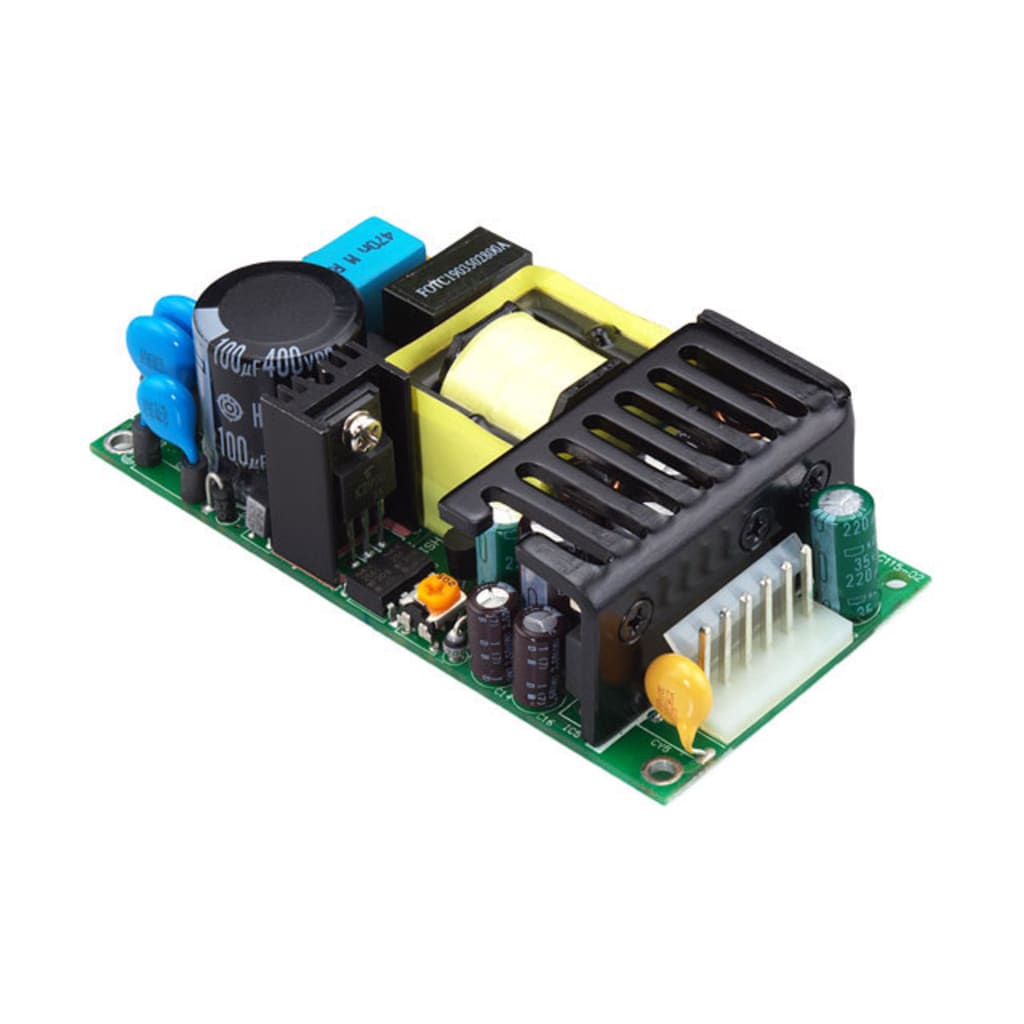
In today’s world, electronic devices are an essential part of our daily lives. From smartphones to industrial machinery, these devices need a consistent and reliable power source to function efficiently. Power converters play a crucial role in ensuring the right kind of electricity is delivered to different types of devices. Among the most commonly used converters are DC-DC power converters and AC-DC power converters. Understanding the differences between them and when to use each can help in designing efficient power systems for various applications.
What is an AC-DC Power Converter?
An AC-DC power converter is a device that converts alternating current (AC) from a power source (such as a wall outlet) into direct current (DC), which is required by most electronic devices. Household appliances, computers, and LED lighting systems rely on these converters to function properly. Since AC is the standard form of electricity supplied by power grids, most electronic devices need an AC-DC power converter to operate.
Common Uses of AC-DC Power Converters
- Household Electronics – Laptops, televisions, and gaming consoles require DC power, which is supplied through AC-DC adapters.
- Battery Charging – Most battery-operated devices, such as smartphones and electric vehicles, use AC-DC power converters to charge their batteries.
- Industrial Applications – Factories and production lines use these converters to power automation systems and electronic control units.
- Medical Equipment – Many medical devices, including imaging systems and monitors, rely on AC-DC conversion for stable power delivery.
What is a DC-DC Power Converter?
A DC-DC power converter is a device that takes a direct current input and converts it into a different voltage level of DC output. These converters are useful in applications where devices require a specific DC voltage that is different from the supplied voltage. Unlike AC-DC power converters, DC-DC converters do not deal with alternating current but rather modify the existing direct current to a higher or lower voltage.
Common Uses of DC-DC Power Converters
- Portable Electronic Devices – Many devices, like laptops and tablets, use internal DC-DC power converters to regulate voltage for different components.
- Electric Vehicles (EVs) – Electric cars have multiple voltage levels for various functions, and DC-DC converters ensure the correct voltage distribution.
- Renewable Energy Systems – Solar panels generate DC electricity, which is often converted to the required voltage using DC-DC power converters.
- Telecommunications – Networking equipment, such as routers and base stations, requires stable DC voltages provided by these converters.
- Aerospace and Defense – Satellites and military equipment use DC-DC converters for precise power regulation in extreme environments.
Key Differences Between AC-DC and DC-DC Power Converters
The primary difference between AC-DC power converters and DC-DC power converters lies in the type of power they process. AC-DC power converters take alternating current from the grid and transform it into usable direct current, whereas DC-DC converters modify an existing direct current voltage to meet specific requirements.
AC-DC power converters are essential for devices that draw electricity from wall outlets, such as household appliances, computers, and industrial equipment. These converters help convert high-voltage AC into lower-voltage DC, suitable for powering electronic components. On the other hand, DC-DC power converters are used when a device needs a different DC voltage level than what is provided by its power source. This is particularly useful in battery-powered systems, electric vehicles, and solar energy applications, where voltage levels must be adjusted for optimal performance.
Another major distinction is energy efficiency. AC-DC power conversion tends to involve more energy loss due to the rectification and voltage transformation process. In contrast, DC-DC power converters are generally more efficient since they work within a single power type and focus only on voltage adjustment. This makes DC-DC converters a preferred choice for portable and battery-dependent applications, where energy conservation is crucial.
Additionally, AC-DC power converters are often larger and require more components, such as transformers and rectifiers, to manage the AC-to-DC transition. DC-DC power converters, however, are more compact and efficient in delivering power to different voltage-sensitive components within a system.
When to Use Each Converter
Use an AC-DC power converter when:
- You need to power a device from an AC outlet.
- The device operates on DC but receives power from an AC source.
- Charging batteries from a wall socket or any AC power source.
Use a DC-DC power converter when:
- A device requires a different DC voltage than the supplied voltage.
- Powering electronic systems from a battery with variable voltage levels.
- Regulating voltage levels in vehicles, solar panels, and industrial machines.
Choosing the Right Converter for Your Needs
Selecting the right power converter depends on your power source and the requirements of your device. If your device needs DC power from an AC source, an AC-DC power converter is the right choice. However, if you already have a DC power source but need to step it up or down, a DC-DC power converter is the better option.
It’s also important to consider energy efficiency, as power conversion losses can impact performance and battery life. DC-DC converters are generally more efficient when adjusting voltage levels in battery-operated systems, while AC-DC converters are essential for devices plugged into wall outlets.
Conclusion
Both DC-DC power converters and AC-DC power converters are vital components in modern electronic systems. While AC-DC power converters allow devices to function from common power grids, DC-DC power converters help optimize voltage levels for efficiency and performance. Knowing when to use each type ensures proper energy management, enhancing the reliability and lifespan of electronic devices. Whether you're designing a power supply system for home electronics, industrial machinery, or renewable energy applications, choosing the right converter is key to achieving optimal performance and efficiency.
About the Creator
SMX Power
At SMX Power you’ll find all the open frame and adapter power supplies and AC/DC converters you’ve been looking for within our extensive, low priced selection.


Comments (1)
Good AC DC conversions! Very Gazoogabloga! Great work!