
AC/DC Power Converter Buying Guide: Features That Really Matter
AC/DC Power Converter

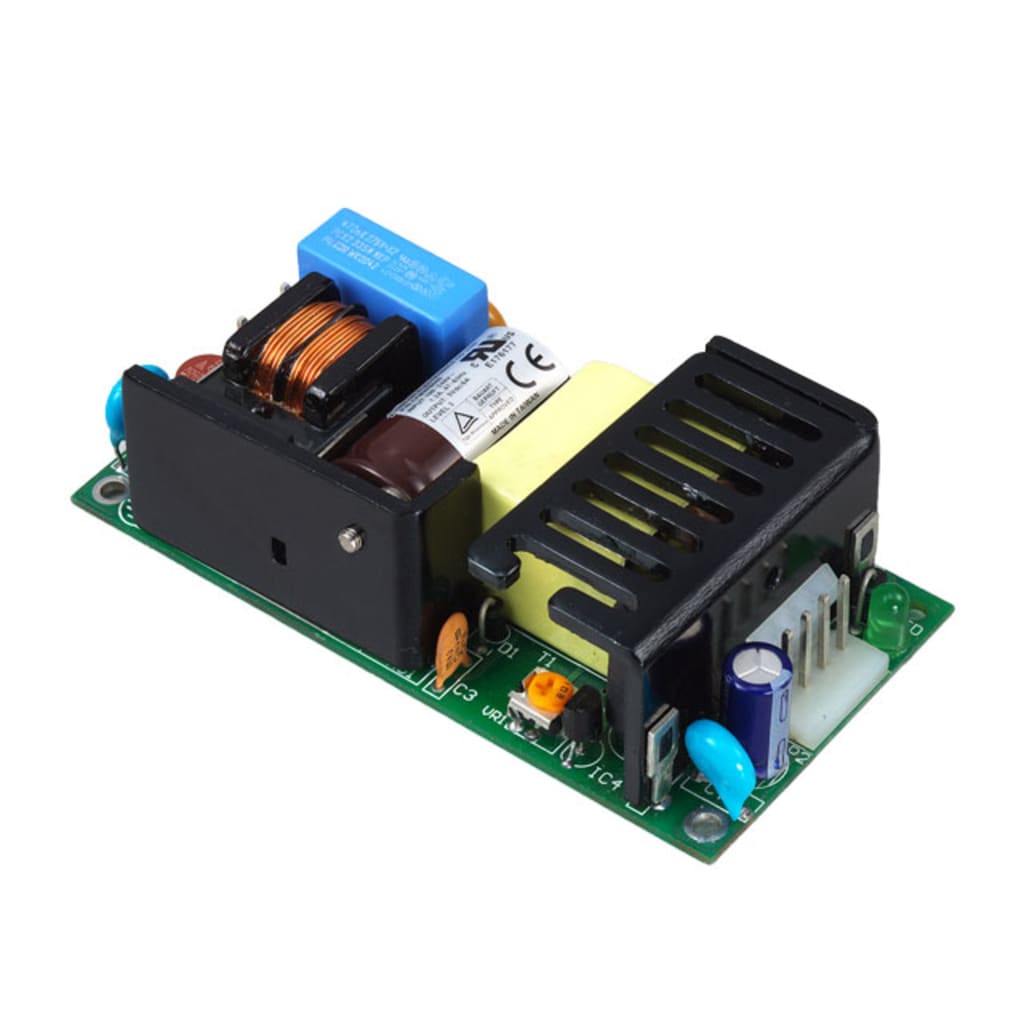
When it comes to powering electronic devices, an AC/DC power converter is often the unsung hero of your setup. Whether you’re upgrading your workshop, setting up a new gadget, or simply replacing an old converter, finding the right one can feel overwhelming with all the technical jargon and specifications. But don’t worry! This guide simplifies what really matters so you can confidently pick the best AC/DC power converter for your needs.
1. What Is an AC/DC Power Converter?
Before we dive into the features, let’s clear up what an AC/DC power converter does. Simply put, it transforms Alternating Current (AC) from your wall outlet into Direct Current (DC), which is required to power most modern electronic devices. Think of it as a translator that makes the electricity from your house compatible with your gadgets.
2. Why Choosing the Right Converter Matters
Using the wrong converter isn’t just inconvenient—it can damage your equipment or lead to inefficient energy use. That’s why it’s important to focus on specific features that suit your needs.
3. Key Features to Look For
a. Input and Output Voltage
This is the most critical factor. The input voltage refers to the AC voltage the converter can accept, typically 110-240V (suitable for global use). The output voltage is the DC voltage your device requires, such as 5V, 12V, or 24V. Always match the output voltage to your device's specifications to avoid damage.
b. Power Rating (Wattage)
Check how much power your device needs, usually measured in watts (W). Your converter should provide at least the same or slightly more wattage than your device requires. For example, if your device needs 50W, choose a converter rated for 60W or more.
c. Current (Amperage)
Amperage is another essential detail. A converter with a higher amperage than your device requires is safe—it just means your device will draw only what it needs. However, never use a converter with a lower amperage than required, as it may overheat and fail.
d. Efficiency
Efficiency measures how well a converter transforms energy without wasting it as heat. Look for converters with higher efficiency ratings (80% or above) to save energy and reduce heat output.
e. Portability and Size
Are you using this converter in a fixed location, or do you need it to be portable? Compact converters are great for travel or tight spaces, while larger, heavy-duty models are better suited for stationary setups.
f. Safety Features
A good AC/DC converter should come with built-in protections, such as:
- Overload protection: Prevents the device from drawing more power than it can handle.
- Short circuit protection: Guards against electrical faults.
- Thermal protection: Shuts the device down if it overheats.
g. Plug and Cable Compatibility
Make sure the converter has the right plugs and connectors for your devices. Some models offer interchangeable tips, which is handy if you’re powering multiple gadgets.
4. Specialized Converters for Specific Needs
a. Adjustable Voltage Converters
These are ideal if you need a versatile solution for devices with different voltage requirements.
b. Industrial-Grade Converters
If you’re running heavy machinery or industrial tools, look for robust, high-capacity converters designed for demanding environments.
c. USB-Compatible Converters
For powering smartphones, tablets, or USB gadgets, consider converters with built-in USB ports for convenience.
5. Practical Tips for Buying an AC/DC Power Converter
- Read the Manual: Always check your device's user manual for specific voltage and power requirements.
- Check Reviews: See what other users have to say about the converter’s performance and reliability.
- Consider Future Needs: If you plan to power additional devices, choose a model with a higher capacity.
- Don’t Skimp on Quality: Cheap converters may lack important safety features, leading to potential damage or hazards.
6. Where to Buy
AC/DC power converters are widely available online and in electronics stores. Brands like Mean Well, Anker, and Victron Energy are well-known for their reliability. If you’re unsure, consult with a technician or salesperson to guide your purchase.
Final Thoughts
Finding the right AC/DC power converter doesn’t have to be intimidating. Focus on the key features—voltage, wattage, amperage, and safety—and you’ll be on your way to powering your devices efficiently and safely. A little time spent researching now can save you headaches (and money) later.
About the Creator
SMX Power
At SMX Power you’ll find all the open frame and adapter power supplies and AC/DC converters you’ve been looking for within our extensive, low priced selection.
Celestial Sparkle: The Heavenly White Sapphire Band
Introduction When it comes to captivating gemstones, white sapphire stands out as a truly unique and celestial sparkle. White sapphire has become a popular choice for jewelry enthusiasts seeking an elegant and timeless piece, as the gemstone is known for its exceptional beauty, durability, and versatility. In this article, we will explore the distinctive qualities that make white sapphires both unique and the perfect choice for a celestial sparkle in a band.
By Mark James7 days ago in Lifehack


Comments
There are no comments for this story
Be the first to respond and start the conversation.