
🌍 Countries with the Best Work-Life Balance in 2025
Exploring the Nations Where Productivity and Well-Being Thrive Side by Side

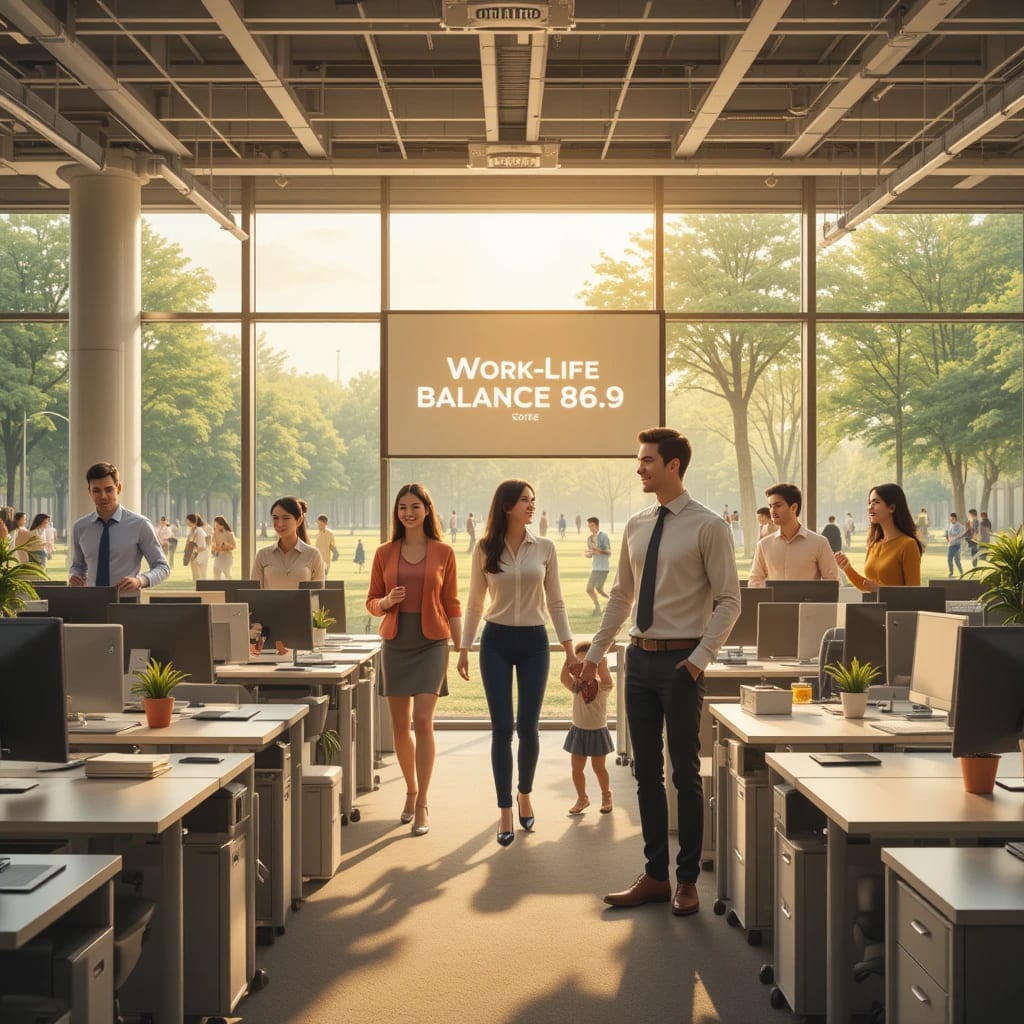
In today's fast-paced, digitally connected world, finding a healthy balance between professional responsibilities and personal well-being has become a major challenge. Long hours, blurred boundaries between work and home, and a culture of constant availability have pushed many workers to the brink of burnout.
But not everywhere.
Some countries have managed to strike an exceptional balance between work and life—where productivity doesn’t come at the cost of peace of mind, and citizens can enjoy rewarding careers without sacrificing their personal time, health, or happiness.
Let’s explore the top countries that, in 2025, have prioritized both well-being and productivity, earning global recognition for offering the best work-life balance.
---
🌟 The Global Work-Life Balance Index 2025
This list is based on the 2025 Work-Life Balance Index, which evaluates 20 countries on multiple factors such as:
Paid leave and vacation days
Parental leave policies
Average weekly working hours
Minimum wage and salary structure
Universal healthcare access
Personal safety and happiness
Workplace flexibility and employee rights
Together, these indicators provide a comprehensive picture of how effectively a country supports its citizens in balancing their professional and personal lives.
---
🥇 Top Country: New Zealand
Index Score: 86.9/100
New Zealand tops the 2025 index as the best country for work-life balance. Known for its breathtaking landscapes and peaceful society, the country offers a strong set of policies that support workers:
32 days of annual paid leave
26 weeks of fully paid maternity leave
A strong minimum wage structure
High job flexibility and widespread remote work options
Access to free or subsidized healthcare
The culture in New Zealand also values mental well-being and outdoor life, encouraging people to prioritize family time, fitness, and leisure without the pressure of always being "on."
---
🥈 Runner-Up: Ireland
Ireland secures second place, thanks to its generous welfare system and employee-first approach.
Highly competitive salaries
Excellent public healthcare system
A strong national minimum wage
Parental leave that includes both paid maternity and paternity options
Employee protections that ensure fair treatment and safe working conditions
Irish workplaces are increasingly adopting hybrid and flexible schedules, helping people to spend more quality time with family and reduce commuting stress.
---
📈 Other Notable Countries
Here are a few other countries that also rank high on the Work-Life Balance Index:
🇸🇪 Sweden
Shorter average working weeks (35–37 hours)
Heavily subsidized childcare
Parental leave that allows both parents to take time off
Emphasis on “fika” breaks—small coffee breaks during work for mental wellness
🇳🇴 Norway
Strong economic support for working parents
Universal healthcare
High happiness index and low stress levels
Beautiful natural environments that promote relaxation and physical activity
🇩🇰 Denmark
National culture supports work-life balance as a basic right
One of the shortest average work weeks globally
52 weeks of parental leave (paid and unpaid combined)
Prioritizes employee satisfaction, wellness, and mental health
---
🌐 Why It Matters in 2025
Post-pandemic realities, digital transformation, and rising awareness of mental health have made work-life balance a defining issue in the global workforce.
A well-balanced lifestyle doesn't just reduce stress—it leads to better physical health, improved relationships, higher creativity, and even increased workplace productivity.
Countries investing in policies that promote balance are seeing fewer burnout cases, higher employee retention, and happier citizens overall.
---
🔍 What Can Other Nations Learn?
Countries still struggling with long hours, minimal leave, and rising burnout rates can look to this list as a roadmap:
Encourage companies to adopt flexible working hours
Improve national policies on paid leave and healthcare
Implement mental health support systems in workplaces
Set legal limits on working hours and overtime
Promote family-first policies like subsidized childcare
---
✅ Final Thoughts
In the race to succeed, many nations often overlook the toll constant hustle takes on individuals and families. But the countries topping this list have proven that you don’t have to sacrifice well-being for productivity. With thoughtful policies, cultural change, and government support, a better balance is possible.
In 2025, New Zealand, Ireland, and the Nordic countries are shining examples of how nations can prioritize both human welfare and economic progress. As more countries begin to recognize the value of balance, there’s hope that a better, healthier work culture will become the global norm—not the exception.
About the Creator
SEO Mexico Tequila: Crafting Digital Strategy from the Heart of Mexico
In the evolving landscape of digital marketing, search engine optimization has become far more than a technical discipline. For many organizations, it represents a way of communicating values, sharing expertise, and building long-term relationships with audiences. Within this broader transformation, initiatives like SEO Mexico Tequila illustrate how regional knowledge, cultural perspective, and digital strategy can intersect to create meaningful impact.
By House Doctorabout 12 hours ago in Lifehack
How to choose range hoods for noise reduction
When planning a kitchen renovation in Sydney, one of the most common questions we get from homeowners is: “How can I choose a range hood that reduces noise while still being effective?” The right range hood can significantly improve your cooking experience, reduce unwanted odors, and maintain a peaceful home environment. For anyone investing in a kitchen, bathroom, or home renovation in Sydney, understanding the balance between performance and noise is essential. This guide breaks it down for you.
By John Zhangabout 21 hours ago in Lifehack


Comments
There are no comments for this story
Be the first to respond and start the conversation.