
Consult Lift Services: The Ultimate Guide to Choosing the Right Provider
Consult Lift Services
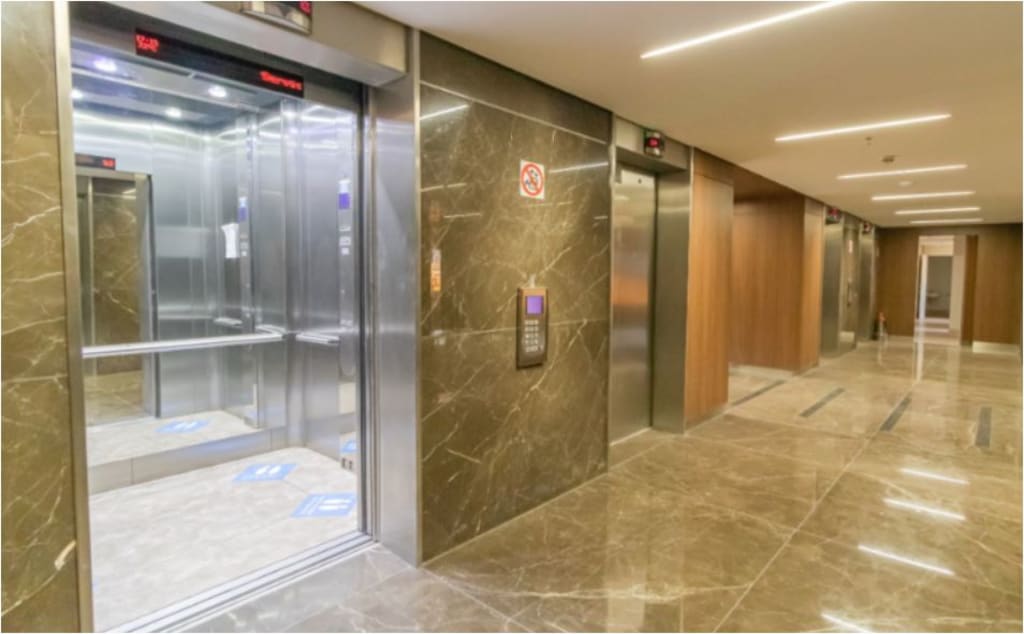
Lifts are essential for mobility in modern buildings, offering convenience, accessibility, and efficiency. Whether for commercial or residential use, selecting the right lift service provider is crucial to ensure safety, durability, and compliance with regulations
Importance of Consulting Lift Services
Professional lift consultation helps you understand the best options for your needs, whether installing a new system, upgrading an existing one, or ensuring regular maintenance. Experts provide valuable insights into technology, costs, and compliance with safety standards.
Types of Lift Services Available
- Passenger Lifts: Used in commercial and residential buildings for vertical transportation.
- Goods Lifts: Designed for transporting heavy loads in warehouses and factories.
- Platform Lifts: Ideal for disabled access in public buildings and homes.
- Dumbwaiters: Small service lifts used in restaurants and hotels for transporting food and goods.
Factors to Consider When Choosing a Lift Service Provider
- Experience & Reputation: Look for providers with a strong track record.
- Compliance & Certification: Ensure they adhere to industry safety standards.
- Maintenance Support: Choose a provider offering ongoing servicing.
- Cost & Warranty: Compare pricing and check warranty coverage.
Lift Installation: What to Expect
Installing a lift involves planning, structural modifications, and compliance with safety regulations. The process includes site assessment, engineering design, equipment selection, and final testing before commissioning.
Lift Maintenance: Ensuring Longevity
Regular maintenance prevents breakdowns and ensures safety. Service contracts typically include:
- Routine inspections
- Lubrication and adjustments
- Safety checks and compliance tests
- Emergency repair services
Safety Standards and Compliance
Lifts must comply with national and international safety standards, including:
- EN 81: European safety regulations for lifts.
- BS 5655: British standards for installation and maintenance.
- DDA Compliance: Ensuring accessibility for disabled individuals.
Cost Considerations for Lift Services
Lift service costs vary based on type, size, and complexity. Factors influencing cost include:
- Initial installation fees
- Maintenance contracts
- Energy consumption
- Replacement parts and repairs
Technological Advancements in Lifts
Modern lifts feature advanced technology such as:
- Smart sensors for energy efficiency
- IoT-enabled monitoring systems
- AI-powered predictive maintenance
- Touchless controls for hygiene safety
Eco-Friendly Lift Solutions
Sustainability in lift technology is becoming a priority. Green solutions include:
- Regenerative braking systems
- LED lighting
- Energy-efficient motors
- Recycled and sustainable materials
Benefits of Regular Lift Inspections
- Enhanced Safety: Reduces the risk of accidents.
- Cost Savings: Prevents costly emergency repairs.
- Improved Performance: Keeps the lift operating smoothly.
- Regulatory Compliance: Ensures adherence to safety laws.
Future Trends in Lift Services
- AI-driven maintenance predictions
- Augmented reality for troubleshooting
- Ultra-fast lifts for skyscrapers
- Hydrogen-powered lift systems
FAQs About Lift Services
Q1: How often should lifts be serviced?
A: Lifts should be serviced at least every six months, depending on usage and manufacturer recommendations.
Q2: What is the average lifespan of a lift?
A: A well-maintained lift can last between 20 to 30 years.
Q3: Are there legal requirements for lift maintenance?
A: Yes, regulations require routine inspections to ensure safety compliance.
Q4: Can lifts be modernised instead of replaced?
A: Yes, upgrading components like control systems can enhance efficiency and extend lifespan.
Q5: What should I do if my lift breaks down?
A: Contact a certified lift service provider immediately and avoid using the lift until repairs are complete.
Q6: Do lifts consume a lot of energy?
A: Modern lifts are designed with energy-efficient systems to minimise electricity consumption.
Conclusion
Choosing the right lift service provider is essential for safety, efficiency, and long-term performance. By understanding the various types of lifts, installation processes, maintenance needs, and emerging technologies, you can make an informed decision that benefits your property in the long run.
Related Post: Will Installing a New Home Elevator Increase Accessibility?
About the Creator
Neck Akila
My specialty is combining research-backed strategies to create marketing copy that resonates with readers and drives conversions
Keep reading
More stories from Neck Akila and writers in Lifehack and other communities.
How to Find Penny Items at Dollar General
Imagine walking into Dollar General and walking out with a cart filled with items that cost you a total of less than a dollar. The lucky few who snag penny items certainly have experienced the adrenaline and happiness it creates. If you want to feel like a Queen (or king) for a day, read below to learn how you can become a DG penny-aire.
By Criminal Matters4 days ago in Lifehack
The Quarterly OKR Review: Getting the Most from Your Retrospectives
The end of an OKR cycle is not simply an administrative milestone where scores are recorded and new objectives are set. It is, or should be, the most valuable learning opportunity in the entire process. Yet many organisations rush through their quarterly reviews, treating them as a box-ticking exercise rather than the strategic conversation they deserve.
By Jane Smithh7 days ago in Lifehack




Comments
There are no comments for this story
Be the first to respond and start the conversation.