

Carb Cycling for Weight Loss: A Comprehensive Guide
Introduction
Carb cycling is a dietary strategy that has gained popularity among fitness enthusiasts and those looking to lose weight. Unlike traditional low-carb diets, carb cycling involves alternating between high-carb and low-carb days to optimize fat loss while maintaining muscle mass and energy levels. This approach can be tailored to individual goals and activity levels, making it a flexible and sustainable option for weight loss. In this article, we’ll explore what carb cycling is, how it works, and how you can implement it to achieve your weight loss goals.
What Is Carb Cycling?
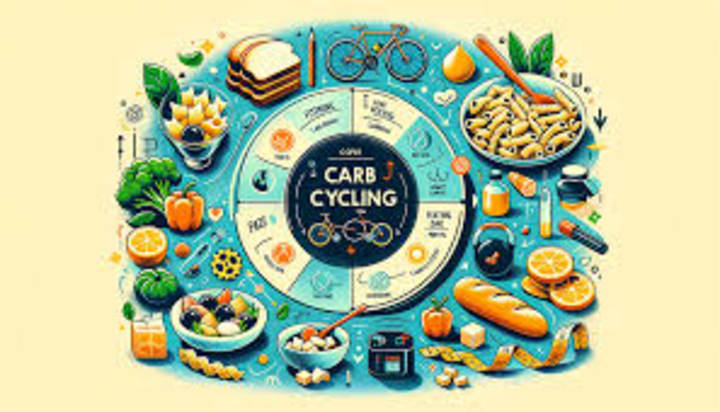
Carb cycling is a nutritional strategy that involves varying your carbohydrate intake on different days. The goal is to maximize the benefits of carbohydrates—such as providing energy and preserving muscle mass—while minimizing their potential drawbacks, like fat storage.
Typically, carb cycling involves:

High-carb days: These are days when you consume a higher amount of carbohydrates. High-carb days are usually scheduled around intense workout days to provide the energy needed for performance and recovery.
Low-carb days: On these days, carbohydrate intake is significantly reduced. Low-carb days are often scheduled on rest days or days with less intense workouts to promote fat burning.
No-carb days: Some advanced carb cycling plans include no-carb days, where carbohydrates are nearly eliminated from the diet. This approach is more restrictive and is generally reserved for short periods.
check and learn
How Carb Cycling Works
Carb cycling works by manipulating your body's insulin response and energy utilization. Here’s how it benefits weight loss:
Optimizes Insulin Sensitivity: On high-carb days, your body produces more insulin, a hormone that helps store glucose as energy. By cycling carbs, you can improve insulin sensitivity, meaning your body becomes more efficient at using carbohydrates for energy rather than storing them as fat.
Enhances Fat Burning: On low-carb days, with limited carbohydrate intake, your body is forced to burn fat for energy. This shift can lead to increased fat loss over time.
Preserves Muscle Mass: Carbohydrates play a crucial role in muscle recovery and growth. High-carb days help replenish glycogen stores in muscles, supporting muscle maintenance while you’re in a caloric deficit for weight loss.
Prevents Metabolic Slowdown: Prolonged low-carb diets can lead to a slowdown in metabolism. Carb cycling helps avoid this by periodically increasing carbohydrate intake, which can boost metabolic rate and prevent the body from adapting to a consistently low-calorie intake.
Implementing Carb Cycling for Weight Loss
To start carb cycling, it’s important to tailor the plan to your specific goals, activity level, and preferences. Here’s a basic outline to get started:
Determine Your Daily Calorie Needs: Calculate your total daily energy expenditure (TDEE), which is the number of calories your body needs to maintain its current weight. You’ll need to create a calorie deficit to lose weight, so aim to consume fewer calories than your TDEE.
Set Up Your Carb Cycling Schedule:
High-carb days: Schedule these on your most intense workout days, such as when you’re doing heavy strength training or high-intensity interval training (HIIT). On these days, you might consume 50-60% of your calories from carbohydrates.
Low-carb days: Plan low-carb days on less intense workout days or rest days. Carbohydrate intake might drop to 10-20% of your total calories, with higher protein and fat intake to compensate.
Moderate-carb days: Some people prefer to include moderate-carb days, where carbohydrate intake is between high and low-carb days, usually on moderate workout days.
Choose the Right Carbohydrates: Focus on consuming high-quality, complex carbohydrates, such as whole grains, fruits, vegetables, and legumes. These foods provide sustained energy and are rich in fiber, which helps keep you full and supports digestive health.
Monitor Protein and Fat Intake: While carbs fluctuate, keep protein intake consistent to support muscle maintenance and fat loss. Fat intake should also be adjusted based on your carb intake, with higher fat on low-carb days and lower fat on high-carb days.
Adjust Based on Progress: As with any diet, it’s important to monitor your progress and make adjustments as needed. If you’re not seeing the desired results, consider tweaking your carb intake, calorie deficit, or exercise routine.
Benefits and Drawbacks of Carb Cycling
Benefits:
Flexibility: Carb cycling allows for dietary flexibility, making it easier to adhere to than strict low-carb diets.
Enhanced Performance: High-carb days support intense workouts, helping you maintain strength and energy levels.
Sustainable Fat Loss: By preserving muscle mass and preventing metabolic slowdown, carb cycling can support sustainable weight loss.
Drawbacks:
Complexity: Carb cycling requires careful planning and tracking, which can be challenging for some people.
Not for Everyone: Those with certain medical conditions, such as diabetes, should consult a healthcare provider before starting carb cycling.
Potential for Overeating: On high-carb days, there’s a risk of overeating if portion control isn’t maintained.
check and learn
Conclusion
Carb cycling is a powerful strategy for those looking to lose weight while maintaining muscle mass and energy levels. By strategically varying carbohydrate intake, you can optimize fat burning, improve insulin sensitivity, and avoid the pitfalls of traditional low-carb diets. While it requires careful planning and consistency, carb cycling can be an effective and sustainable approach to achieving your weight loss goals. As with any diet, it’s important to listen to your body, monitor your progress, and make adjustments as needed to ensure long-term success.
About the Creator
Keep reading
More stories from asma rasool and writers in Lifehack and other communities.
How To Train Your Puppy EBooks
How to Train Your Puppy: A Comprehensive Guide Training your puppy is one of the most rewarding aspects of being a dog owner. It's a process that helps build a strong bond between you and your new furry friend while ensuring they grow into a well-behaved adult dog. Here’s a step-by-step guide to help you train your puppy effectively.
By asma rasoolabout a year ago in Lifehack
Astrology The New Lifehack
Success is often portrayed as a straight line: set a goal, work hard, and eventually you’ll get there. But real life is rarely that simple. Motivation rises and falls, opportunities appear and disappear, and sometimes effort alone doesn’t seem to be enough. Astrology offers a different perspective on success—one that focuses on timing, self-awareness, and alignment rather than constant pushing.
By Anthony Bahamondeabout 22 hours ago in Lifehack
Galaxy S25 Plus Review
There is a kind of phone that doesn't follow after the news. It doesn't shout "revolution." It doesn't try to change the way you use your phone. Instead, it quietly makes the things that really affect your day better, such as the comfort of the battery, the quality of the display, the smoothness of the performance, and the general feeling of trust.
By abualyaanart4 days ago in Lifehack



Comments
There are no comments for this story
Be the first to respond and start the conversation.