
How Many Bottles of Water Should You Drink a Day?
A practical guide to daily hydration and how many bottles your body actually needs
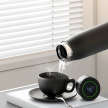

Most people have heard the classic advice: "Drink eight glasses of water a day." While it sounds simple, it’s not very helpful. Glass sizes vary, people sweat differently, and a busy summer day is nothing like a lazy winter afternoon. The real question becomes how to understand what your body actually needs and translate that into something practical, such as how many bottles of water you should finish in a day.
Water intake isn’t a rigid formula. Your body constantly adjusts its hydration needs based on temperature, activity level, diet, and even stress. However, establishing a clear baseline and adopting habits that promote adequate hydration can help you develop a routine that aligns with your lifestyle rather than following a generic rule.
How Much Water You Should Aim For Each Day
Health and nutrition organizations generally recommend that adult women consume about 2.7 liters (91 oz) of water per day, and that adult men consume about 3.7 liters (125 oz) per day. This amount includes all sources of water, such as plain drinking water, juice, tea, coffee, and the water content of fruits and vegetables.
However, most people only remember one number: So, how many bottles is that?
Turning Liters and Ounces Into Bottles
Most store-bought water bottles in the U.S. are 16.9 oz (500 ml). Using that size as the standard:
- Women need roughly 5–6 bottles a day
- Men need about 7–8 bottles
If you’re used to thinking in gallons, which is common in the U.S., one gallon is about 3.785 liters, or eight 16.9-ounce bottles. You can find a clear explanation of this conversion here: How Many Water Bottles in a Gallon . This kind of reference is helpful if you prefer carrying a gallon jug or want a quick mental shortcut.
Of course, your water bottle may hold 600 ml, 1 liter, or even 40 oz. Once you know how much your bottle holds, drinking enough water is simply a matter of how many times you refill it.
Factors That Change Your Daily Water Needs
Your hydration requirements aren't the same every day. Several variables can increase or decrease these requirements:
- Activity and Exercise . When you sweat more, you lose more water and electrolytes. For moderate-to-intense exercise, an additional 0.4–0.8 liters per hour is a realistic guideline. Long workouts, especially in humid environments, may require even more.
- Heat, Humidity, and Climate . A hot day speeds up water loss even when you’re not moving much. Humidity traps heat and forces your body to sweat more, while dry climates (or air-conditioned rooms) pull moisture from your skin and lungs.
- Diet and Lifestyle . High-protein meals, salty snacks, coffee, alcohol, and spicy foods all increase your body’s water demand. None of them are “bad,” but they influence hydration needs more than people expect.
- Body Size and Health Conditions . Larger bodies generally need more water. Pregnancy, breastfeeding, certain medications, and specific medical conditions also alter hydration requirements and ideally should be discussed with a healthcare provider.
Why Drinking Enough Water Actually Matters
Hydration isn’t just a wellness trend; it affects almost every system in the body. When you drink enough water, your body can:
- Your body can regulate temperature efficiently through sweating.
- Blood circulates more effectively, supporting energy levels and heart function.
- Kidneys flush waste more efficiently, lowering the risk of kidney stones.
- Cognitive performance stays sharper because dehydration can slow reaction time and concentration.
- Digestion runs more smoothly, especially if your diet includes more fiber.
- Your skin barrier function improves, reducing dryness caused by dehydration (though it won't work cosmetic miracles).
These benefits aren't dramatic or immediately obvious, but they add up. Most people underestimate the influence of mild dehydration on mood, mental clarity, and fatigue.
What Happens When You Don’t Drink Enough
You don't have to collapse from heatstroke to be dehydrated. A more common scenario is low-level, lingering dehydration that drags on throughout the day.
Early signs include:
- Dark yellow urine
- Dry mouth
- Mild headaches
- Fatigue or irritability
- Dizziness when standing up
- Reduced focus
If dehydration worsens, more serious symptoms may occur, such as a rapid heartbeat, confusion, or overheating. Chronic insufficient fluid intake increases the likelihood of kidney stones and urinary tract problems.
How to Know If You’re Drinking Enough
A surprisingly reliable indicator is something you see every day: urine color.
- Pale yellow means you are likely well-hydrated.
- Dark yellow or amber: You probably need more fluids.
- Completely clear urine may mean you're overhydrating.
Although thirst can be a guide, it’s not perfect. By the time you feel thirsty, you’re often already somewhat dehydrated. For people who exercise heavily or work in hot environments, relying only on thirst can be misleading.
Another simple indicator is if your body weight drops noticeably right after exercising; that weight loss is mostly water.
How to Make Drinking Enough Water Easier
Most people don’t struggle because they dislike water; they struggle because staying hydrated requires ongoing effort. Making a few small changes can make the habit far easier to maintain.
1. Use a Bottle That Matches Your Routine
If you rely on small bottles, you’ll always fall short. Choose a bottle large enough to give you momentum. 1-liter or 32-ounce bottles work well because they reduce the number of refills needed.
2. Build Water Into Your Daily Rhythm
Attach water to moments you already do every day:
- After waking up
- Before each meal
- Mid-afternoon when energy dips
- During and after workouts
These checkpoints turn hydration into a routine rather than a chore.
3. Keep Water Close, Always
People drink more when water is visible and easy to reach. A bottle on your desk works better than a bottle in your bag.
4. Use Light Flavoring If Plain Water Is Boring
Slices of lemon, cucumber, or a few mint leaves can make water easier to drink. Zero-calorie electrolyte tablets also help without adding sugar.
5. Use Digital Reminders Wisely
Some people find that apps, smartwatch nudges, or hourly timers work for them. Just avoid constant notifications—they quickly become white noise.
6. Swap, Don’t Add
If you regularly drink soda, energy drinks, or sweetened coffee, start replacing one of them with water. You’ll increase hydration without adding extra drink volume to your day.
Common Misconceptions (and Why They Don’t Hold Up)
“You must drink eight glasses a day.”
Not necessarily. It's an outdated, rough average that ignores individual differences.
“Only plain water counts.”
That's not true. Coffee, tea, juice, and foods such as fruit and soup all contribute to total hydration. Although caffeine has a mild diuretic effect, it is not enough to cancel out the water you drink.
“More water = more health.”
It's possible to drink too much water. Drinking too much water without electrolytes can cause hyponatremia, a dangerous condition in which sodium levels drop too low. You don't need to drink far beyond your thirst and the recommended guidelines.
So, How Many Bottles Should You Aim For?
For most adults, drinking 5–8 16.9-oz bottles of water per day is a good place to start. Adjust this amount based on climate, exercise, and how you feel. Use urine color as your primary indicator and don't rely entirely on thirst.
Hydration isn’t about achieving a specific number; it's about paying attention to your body's signals and developing consistent, healthy habits. Once water intake becomes a natural part of your daily routine, you’ll notice an improvement in clarity, energy, and overall comfort.
About the Creator
Mountopwaterbottle
Join us in our mission to make hydration both safe and eco-friendly. Stay hydrated, stay healthy, and make a difference with Mountop.
My site: https://mountopbottle.com
Keep reading
More stories from Mountopwaterbottle and writers in Lifehack and other communities.
How to Clean a Water Bottle: A Simple Lifestyle Guide You’ll Actually Stick To
There was a time when I thought rinsing my water bottle every night was sufficient. After all, I only used it for water, and water is clean, right? One morning, though, when I opened the lid, I noticed a faint sour smell that I couldn’t ignore. A closer look revealed a tiny dark spot under the gasket. That was the moment I realized something important: A water bottle may look clean, but that doesn’t mean it is.
By Mountopwaterbottle4 months ago in Lifehack
The Forsyth House Fire
Since 1851, Forsyth House has stood on the corner of Union Street and Gordon Street in the heart of Glasgow. Its iconic, or was... because on Sunday 8th of March, 2026, a fire broke out in a small, seemingly un-named shop in the building and tore all that history down. As I write, the rubble is still unsettled and the street is still blocked off. Central Station is quiet on the upper level, and around 30 small businesses have quite literally gone up in smoke.
By S. A. Crawford2 days ago in The Swamp


Comments
There are no comments for this story
Be the first to respond and start the conversation.