
Can Stress Cause Hair to Fall Out? Real Signs and Symptoms
Real Signs and Symptoms

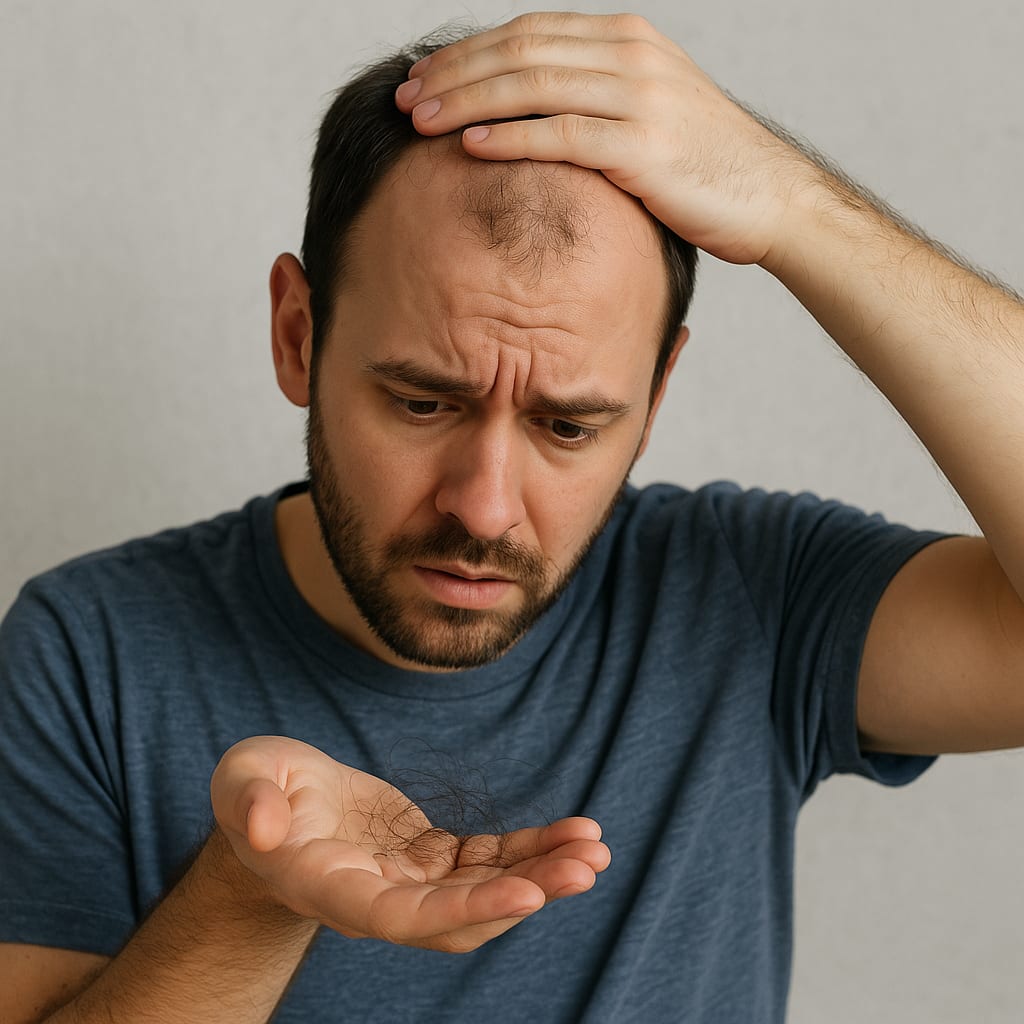
Stress is an unavoidable part of life, but when it begins to show up in unexpected ways—like on your scalp—it raises serious concerns. Many people ask, “Can stress cause hair to fall out?” The answer is yes. Stress can disrupt the natural growth cycle of your hair, leading to excessive shedding, thinning, and even bald patches in some cases.
Understanding the science behind stress-induced hair loss and recognizing the signs early can help you take proactive steps to restore scalp health and prevent long-term damage. In this article, we’ll dive deep into the real connection between stress and hair fall, the symptoms to watch out for, and natural ways to support your hair, including time-tested oils like batana oil.
How Stress Affects the Hair Growth Cycle
Before answering “Can stress cause hair to fall out?” it’s important to know how the hair growth cycle works. Hair follows three main phases:
Anagen (growth phase): Hair actively grows for 2–7 years.
Catagen (transition phase): Hair follicles shrink and prepare for rest.
Telogen (resting phase): Hair eventually sheds to make way for new strands.
When the body undergoes chronic stress, cortisol levels rise. High cortisol disrupts this cycle, pushing more hair follicles into the telogen phase prematurely. This condition is known as telogen effluvium, one of the most common types of stress-related hair loss.
Types of Stress-Related Hair Loss
Stress affects people differently, but here are the most recognized forms of stress-induced hair fall:
Telogen Effluvium
The most common type, where large amounts of hair enter the shedding phase too early. People often notice excessive strands on pillows, in showers, or when brushing their hair.
Alopecia Areata
An autoimmune response triggered by stress that causes patchy bald spots. The immune system mistakenly attacks hair follicles, disrupting growth.
Trichotillomania
Unlike natural shedding, this is a behavioral condition where stress and anxiety lead individuals to pull out their own hair as a coping mechanism.
Hormonal Imbalance and Cortisol Spikes
Stress also disrupts hormone levels, including estrogen, testosterone, and thyroid hormones. This imbalance weakens follicles, making them more prone to shedding.
Real Signs and Symptoms of Stress-Induced Hair Loss
So, how do you know if stress is really causing your hair to fall out? Here are clear signs to watch out for:
Sudden Excessive Shedding – You notice more strands than usual in your hairbrush or shower drain.
Thinning Across the Scalp – Unlike genetic hair loss that focuses on specific areas, stress-related loss often causes diffuse thinning.
Patchy Bald Spots – Alopecia areata may create round, coin-sized bald patches.
Slower Regrowth – Even after shedding, new strands take longer to grow back.
Changes in Hair Texture – Stress can make hair appear weaker, drier, or more brittle.
Scalp Sensitivity – Stress sometimes contributes to itching, tingling, or soreness on the scalp.
The Link Between Stress and Scalp Health
When discussing “Can stress cause hair to fall out?” we must also consider scalp health. Stress reduces blood circulation to the scalp, depriving follicles of nutrients and oxygen. It can also increase oil production, leading to scalp inflammation or dandruff, both of which weaken follicles further.
Maintaining a healthy scalp is as important as caring for the hair itself. A well-nourished scalp sets the foundation for stronger, thicker regrowth. Helpful wellness resources like Elixir of Youth emphasize that holistic health practices often go hand in hand with improving hair quality and vitality.
Scientific Evidence: What Research Says
Studies confirm that stress has a direct connection to hair health:
A 2021 study published in Nature found that chronic stress elevates cortisol, which disrupts stem cell activity in hair follicles, halting new growth.
Research from the American Academy of Dermatology highlights telogen effluvium as a common outcome of extreme physical or emotional stress.
Clinical reports also show that patients recovering from illness, surgery, or traumatic events often experience temporary hair shedding months later.
This proves that stress is not just an emotional burden—it creates physical consequences, particularly on hair.
Can Stress Hair Loss Be Reversed?
The good news is, yes, stress-related hair fall is often temporary. Once the stressor is managed, many people see regrowth within 3–6 months. However, long-term unmanaged stress can cause recurring cycles of hair thinning.
Key steps to recovery include:
- Identifying and reducing the main stressors
- Supporting scalp circulation through massage
- Using natural oils to strengthen follicles
- Eating nutrient-dense foods rich in protein, iron, and vitamins
- Practicing mindfulness, yoga, or meditation to regulate cortisol
Natural Remedies: Why Batana Oil Stands Out
When it comes to natural solutions, batana oil is gaining attention for its restorative properties. Extracted from the American palm tree, batana oil is rich in essential fatty acids, antioxidants, and nutrients that nourish both hair and scalp.
Benefits of Batana Oil for Stress-Induced Hair Loss:
Strengthens Hair Follicles: Restores nutrients depleted by stress.
Improves Scalp Circulation: Massaging with batana oil enhances blood flow.
Repairs Damage: Its antioxidants combat free radicals linked to stress.
Boosts Shine and Thickness: Revives dull, thinning hair with natural luster.
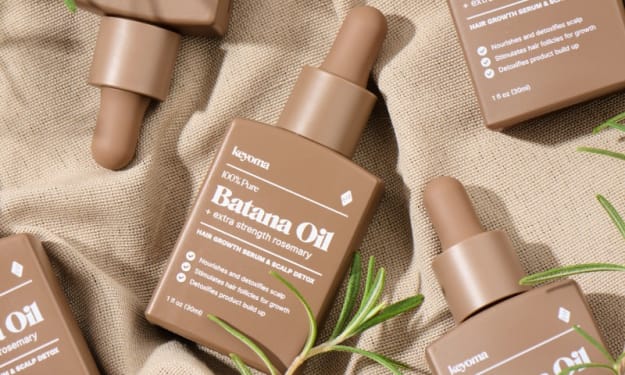
Many eco-conscious hair care brands highlight batana oil as a key ingredient in promoting healthy regrowth. If you’re interested in trying it, Keyoma’s Pure Batana Oil is a trusted option known for quality and authenticity.
Lifestyle Changes to Support Hair Growth
Stress management is as important as topical treatments. Here are holistic steps to take:
- Balanced Nutrition: Incorporate foods rich in protein, zinc, and biotin.
- Scalp Massage: Regularly massage with natural oils for stimulation.
- Hydration: Drink enough water to maintain scalp moisture.
- Sleep Hygiene: Quality sleep lowers cortisol and improves repair.
- Gentle Hair Care Routine: Avoid excessive heat styling or harsh chemicals.
By combining these daily practices with natural remedies, you not only improve hair strength but also overall health. Many people find inspiration from wellness-centered platforms such as Elixir of Youth, which connect lifestyle habits to physical vitality.
When to Seek Professional Help
While stress-induced shedding is often temporary, consult a dermatologist if:
- Hair fall persists beyond six months
- You notice rapid bald patches
- Scalp inflammation or pain worsens
- Shedding is accompanied by weight loss, fatigue, or hormonal issues
Professional diagnosis can rule out conditions like thyroid disease, anemia, or genetic alopecia.
The Role of Natural Oils and Scalp Care
Stress management is incomplete without scalp care. Alongside batana oil, other natural oils such as argan, coconut, and jojoba are often used for their nourishing effects. Regular scalp treatments not only soothe irritation but also create a calming self-care routine that helps reduce stress itself. For step-by-step guidance on building a sustainable hair growth plan, you can check this detailed hair growth guide, which outlines natural remedies, scalp care routines, and long-term strategies for regaining healthy hair.
Key Takeaways
So, can stress cause hair to fall out? Absolutely. Stress disrupts the natural growth cycle, leading to conditions like telogen effluvium and alopecia areata. The symptoms—excessive shedding, thinning, bald patches, and scalp discomfort—are real indicators that stress is affecting your hair health.
But the good news is stress-related hair loss is usually reversible. By addressing stress through lifestyle changes, supporting scalp health, and incorporating nutrient-rich remedies like batana oil, you can restore stronger, healthier hair.
Healing Both Stress and Hair
Hair is often called a crown of beauty, but when stress takes a toll, it can feel like more than just a cosmetic issue. Recognizing the connection between stress and hair fall empowers you to act early. By combining stress reduction techniques, proper nutrition, professional guidance when needed, and natural solutions like batana oil, you not only revive your hair but also restore your overall well-being.
As brands like Keyoma remind us, true hair health goes beyond cosmetics—it’s about nourishing from the inside out and giving your hair the care it truly deserves.
About the Creator
Selena Perdomo
Selena Perdomo is a hair and beauty enthusiast with a deep love for all things natural. Passionate about clean, conscious self-care, she gravitates toward plant-based, pure ingredients that are kind to both people and the planet.
Keep reading
More stories from Selena Perdomo and writers in Lifehack and other communities.
From Roots to Radiance: The Many Uses of Batana Oil
Batana oil is gaining well-deserved recognition in the beauty and wellness world. Derived from the American palm tree (Elaeis oleifera) native to Central and South America, this golden-brown oil has been used for centuries by the indigenous Miskito people of Honduras. Nicknamed "the miracle oil," Batana oil is packed with antioxidants, fatty acids, and nutrients that make it a natural remedy for a variety of concerns. Whether you're looking for hair rejuvenation, skin nourishment, or scalp health, this oil delivers. In this article, we’ll explore batana oil uses, its benefits, and how you can incorporate it into your daily routine.
By Selena Perdomo7 months ago in Blush
BPC-157 + TB-500: The Peptide Duo for Advanced Healing
The Peptide Therapy Duo Everyone’s Talking About If you’re struggling with slow recovery, nagging injuries, or ongoing inflammation, you may have heard about peptide therapy—especially the combination of BPC-157 and TB-500. This powerful duo is gaining attention in the wellness and recovery world for its potential to help the body heal naturally.
By Hazel Jackson6 days ago in Lifehack
Being Human Is Heavy
No one tells you that being human comes with a weight you cannot put down. Not when you’re born, not when you learn to walk, not even when you learn to love. It arrives quietly, accumulating over years, stacking itself in invisible layers until one day you wake up tired for no clear reason. You blame sleep. You blame work. You blame age. But the truth is simpler and harder: being human is heavy.
By LUNA EDITHa day ago in Lifehack


Comments
There are no comments for this story
Be the first to respond and start the conversation.