
Can Holistic Medicine Replace Traditional Treatments?
The Future of Healing: How Functional Medicine and Holistic Therapies Are Transforming Modern Healthcare

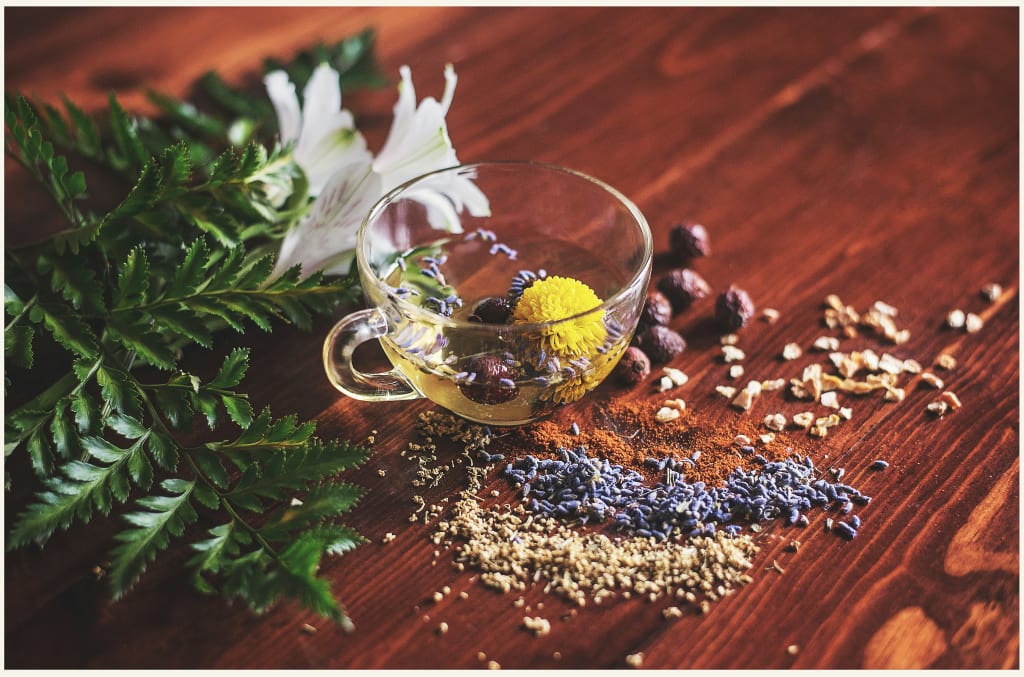
The past few years have seen an increase in the use of holistic medicine. Many people now seem to be taking it up as an alternative or complement to conventional healthcare. Regardless of whether it is Western medicine or alternative medicine, a person’s wellbeing is of paramount importance. Holistic healing may be quite intriguing to individuals who prioritize their wellbeing.
As the name indicates, holistic healing focuses on the complete ailing system. Aside from bodily disorders, it also deals with the person’s emotions, spirit and mental state. Holistic practitioners put in their most diligent effort to eradicate the cause of the disorder as opposed to just treating the symptoms. Their approach embraces natural methods, lifestyle alterations, and spiritual practices along with emotional healing that is specially crafted for every person.
As opposed to holistic medicine, Western or allopathic medicine relies heavily on the use of technology, pharmaceuticals, and even surgery. They use these methods to treat a single symptom or disease. Although it has been a favourite for modern medicine to rely on these methods owing to saving and improving countless lives, even multidisciplinary approaches, they resort to what can be coined as ‘mechanical’ methodologies, more often than not. That said, they often overlook the interdependence that physical, emotional and spiritual health has, leading to the feeling of not being addressed in their wellness needs.
The gap in medical care which has issues alongside slow healing has led to a spike in multidimensional healing approaches that focus on self-healing. Such methods include acupuncture, yoga, energy therapies like Reiki and other herbal medicine, people are turning to cures which foster the body’s self-healing abilities. Holistic health modalities have gained relevance in recent years due to the increased acceptance of proactive self-care approaches focusing on wellness, preventive medicine, and self-reflection.
This blog aims to define the basic concepts of holistic healing, its suggested approaches and philosophies while offering step-by-step instructions for individuals who want to embrace the change by self-healing through nature. This guide has been designed for people who wish to explore the world of holistic wellness without the fear of getting overwhelmed and losing track, be it as a beginner introducing themselves to herbal solutions, learning the impact of energy and emotions on health, or aiming for balanced healing methodologies.
Understanding Holistic Medicine
At the center of holistic medicine is the conviction that health isn’t merely the absence of disease, rather it represents the equilibrium and synergy of the mind, body and spirit. This model views each individual as a whole system, wherein physical symptoms are often manifestations of deeper emotional, psychological, or spiritual issues.
Key components of holistic health include:
• Individualized care: Each person is one of a kind, so are their journeys of healing.
• Self-healing: Given the right environment, the body is capable of healing itself.
• Prevention over cure: Focusing on lifestyle choices and natural treatments to avert illness is prioritized.
• Mind-body connection: Mental and emotional health directly affect the state of physical health.
Historical Context and Ancient Practices
Holistic healing didn’t just emerge recently, it has been practiced for centuries in systems of medicine such as Ayurveda from India, Traditional Chinese Medicine (TCM), and medicine of Native Americans. These ancient systems have long practiced balance alongside nature-based remedies as well as the interdependence of all life prior to the existence of modern pharmaceuticals. Many modern holistic practices can trace their roots to these ancient traditional practices.
Core Philosophy Behind Natural Healing
The foundational philosophy of holistic medicine is that the body can heal itself if given the right support. Rather than simply suppressing symptoms, natural healing aims to:
- Identify and address root causes
- Strengthen the immune system
- Restore energetic and emotional balance
- Encourage long-term well-being rather than temporary relief
The Rising Popularity of Holistic Medicine
In the last ten years, there has been a sharp increase in public interest as well as acceptance of medicine in the discipline of holistic healing. But what fueled this trend?
Rising skepticism around prescribed drugs
People are becoming more careful with reliance on prescription pills as they become increasingly worried with side effects, chances of becoming dependent on them as well as the impact on one’s health in the long run. This has driven people to look for alternatives that are less risky and invasive to tackle chronic problems like anxiety, fatigue, and digestive issues.
Change in focus toward wellness and proactive care
The modern wellness movement focuses more on the proactive approach than intervention. With chronic diseases associated with stress, laziness, and diet, individuals are looking towards proactive ways such as nutritional modification, stress relief, and natural supplementation to maintain fitness before illness.
Growing Acceptance of Holistic Therapies
Previously considered fringe, many holistic therapies are now gaining credibility. Acupuncture, for instance, is recognized by the World Health Organization for treating numerous conditions. Likewise, integrative medicine clinics — blending traditional and holistic care — are now part of many hospitals and wellness centers.
Core Components of Holistic Medicine
Holistic healing encompasses a wide range of practices. Below are some of the most popular and effective components:
Herbal Medicine
Benefits: Natural symptom relief, fewer side effects, immune support
Examples: Turmeric for inflammation, Ashwagandha for stress, Peppermint for digestion
Applications: Teas, tinctures, capsules, poultices
Acupuncture
Mechanism: Insertion of fine needles at meridian points to rebalance energy (Qi)
Effectiveness: Used for chronic pain, migraines, anxiety, and fertility issues
Integration: Commonly paired with Western treatments in integrative clinics
Chiropractic Care
Focus: Spinal alignment and musculoskeletal health
Benefits: Pain relief, improved posture, enhanced nervous system function
Popularity: Widely used for back pain, sports injuries, and general well-being
Massage Therapy
Uses: Reduces stress, improves circulation, alleviates muscle tension
Approaches: Swedish, deep tissue, Thai, and reflexology
Outcomes: Promotes relaxation and mental clarity alongside physical benefits
Mindfulness Meditation
Purpose: Strengthens mental clarity, emotional balance, and stress resilience
Techniques: Breath awareness, body scans, guided visualization
Mental Health Benefits: Shown to reduce anxiety, depression, and PTSD symptoms
Dietary Adjustments
Holistic Nutrition: Focuses on whole, organic, anti-inflammatory foods
Goals: Disease prevention, weight management, gut health
Recommendations: Plant-based diets, elimination of processed foods, mindful eating
Homeopathy
Principles: “Like cures like” using highly diluted natural substances
Controversy: Popular in Europe but criticized for lack of empirical evidence
Practical Use: Often used for allergies, insomnia, and minor illnesses
Aromatherapy
Key Elements: Use of essential oils for therapeutic effects
Applications: Inhalation, topical use, diffusers
Benefits: Improves mood, boosts immunity, supports sleep and focus
Comparing Traditional and Holistic Medicine
Identifying the myriad prospects of holistic healing has a very distinctive appeal nowadays. It makes sense as to why people have begun exploring more diverse options. However, it is also equally important to analyze its facets alongside restorative medicine, especially concerning the strengths, limitations, and levels of compatibility.
Strengths of Traditional Medicine
Allopathic or Traditional medicine makes drastic prominences with remarkable strides around the globe concerning diagnostics, surgical measures, and emergency care. The domains of its stronger capabilities include:
- Life threatening interventions such as antibiotic treatments, surgery, and trauma responses.
- Validation by a clinical trial.
- Advanced diagnostic technology.
In comparison with chronic conditions such as infections, heart attacks, and broken bones, modern medicine is second to none in regards to speed, precision, and efficacy.
Strengths of Holistic Medicine
A sharp contrast to western counterpart, holistic medicine as the name suggests focuses and thrives on areas that promote imbalances concerning mental wellbeing, lifestyle, and long-term health. Some of its primary strengths are:
- Having a primary focus on prevention and natural healing
- Emphasis on mental, spiritual, and emotional well-being
- Non-invasive therapies leading into fewer side effects and a gentle approach to healing.
Holistic approaches are particularly effective for lifestyle-related and chronic conditions including stress, fatigue, and metabolic disorders, offering a remarkable depth of lasting results.
Limitations and Concerns
Both systems have their limitations:
Holistic medicine may lack standardized regulation, making it difficult to assess quality and safety across practitioners.
Some natural treatments may have insufficient clinical backing or conflict with pharmaceutical therapies.
Traditional medicine, on the other hand, often focuses on symptoms rather than root causes, and can over-rely on medication for issues that may respond better to lifestyle changes.
Can Holistic Medicine Replace Conventional Treatments?
A typical question comes to mind: Can holistic medicine replace modern treatments completely? The answer needs some form of integration.
Benefits of Holistic Medicine
Holistic medicine provides critical advantages:
- Captures the self-care potential of patients
- Improves long-term wellness and mitigates secondary health problems
- Takes care of the underlying problems like insomnia, anxiety, and digestive issues
Areas Where Traditional Medicine Remains Necessary
Drawbacks aside, holistic medicine cannot cover the following areas:
- Acute conditions and any emergency care needed
- Infections of severe magnitude, as well as trauma and organ failures
- Complex surgeries and advanced imaging diagnostics
Those are best managed with evidence-based care through conventional medicine.
The Role of Integrative Medicine
The most effective means to address this issue is integrative medicine:
- A cancer patient can be offered acupuncture to relieve nausea after chemotherapy.
- Anxiety can be treated with prescribed medicine, but patients can also be allowed to practice mindfulness meditation as part of a managed care plan.
Both of these ensure the enhanced safety and efficacy of care while customizing the course of treatment to best suit individual patients.
Future Trends in Healthcare
As the modern world increases its demand for accessible healthcare, the functionality of medicine is changing at an unprecedented rate. One of the most renowned changes is observed with the rise of functional medicine, which relies on scientific assessment alongside a holistic viewpoint. Functional medicine clinicians utilize lab examinations and target the causes instead of merely the symptoms: gut health, hormonal equilibrium, and nutrient sufficiency. This form of medicine relies on the approach “Why is this happening?” rather than “What diagnosis is this?” Concurrently, alternative therapies are gaining credibility with scientific investigations delving into acupuncture for chronic pain, herbal anxiolytics and soporifics, and meditation’s effect on the brain’s chemical functions. There is increasing acceptance of holistic techniques, which is safer and more medically sound. Additionally, conventional healthcare systems have started adopting holistic practices in their frameworks. Hospitals now offer Reiki and guided imagery in oncology units, acupuncture and nutrition counselling for pain management, and meditation and yoga as part of cardiac rehabilitation programs. This marks a notable change in the culture where a more comprehensive understanding of wellness and healthcare is embraced.
Final Thoughts on Future Developments
As research expands and consumer demand grows, holistic medicine will continue influencing mainstream healthcare. With greater access, education, and evidence, more people can take empowered steps toward total well-being — physically, mentally, and spiritually.
About the Creator
Ethan Rivers
A Certified Holistic Health Coach & Herbalist; runs his own online wellness consultancy and product line. He is helping others reconnect with their health through natural, sustainable practices.
Keep reading
More stories from Ethan Rivers and writers in Lifehack and other communities.
Blending Traditional and Holistic Medicine for Better Health
A more holistic approach that involves non-invasive methods is being sought after by various patients in treating their ailments. The blend of holistic practices and traditional medicine has gained recognition due to its effectiveness in promoting health. People are actively visiting doctors of natural medicine, undertaking acupuncture, and using herbal remedies aiming to enhance their well-being.
By Ethan Rivers8 months ago in Lifehack



Comments
There are no comments for this story
Be the first to respond and start the conversation.