
Body Recomposition: The Key to Combined Weight Loss and Muscle Gain
Weight loss is hard, but hard is not the same as impossible.

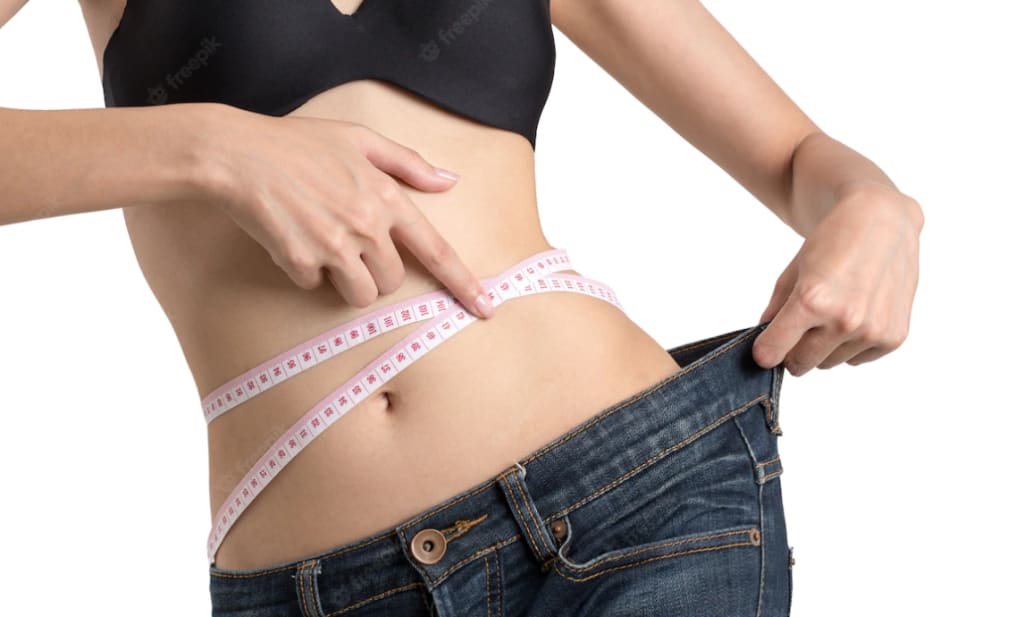
Yes, with the right approach, you can change your body. Here's how to shed weight while building muscle.
Most people usually have a fitness goal because they want to seem more "toned," however, the truth is that "toning" is just another word for muscle gain. When someone claims they want to increase muscle while losing weight, they are talking about body recomposition. This is changing your physique by simultaneously growing muscle and burning fat. This needs a different approach than everyday thinking for weight loss.
This concept frequently needs to be explained to individuals since gaining muscle while losing body fat seems complicated. The misconception arises from the fact that building muscle requires consuming more calories than you expend, yet being in a caloric deficit promotes weight reduction. The good news is that you can do both by paying great attention to your food and workout.
What you need to know about body recomposition and how to use it to your advantage are described below.
What does body composition mean?
The ratio of your body's lean mass to fat mass is known as your body composition. Although body fat percentage is one component of your entire body composition, body composition is sometimes used interchangeably with it.
Everything other than body fat, or lean mass, comprises muscle, bones, ligaments, tendons, organs, various tissues, and water. The proportion of water in your body may differ depending on the method you use to calculate it.
How about body composition change?
Body recomposition, often known as decreasing body fat and building muscle mass, is the process of altering your ratio of fat mass to lean mass. In contrast to the conventional strategy of "bulking and cutting," which entails purposefully putting on a lot of weight at first (muscle and fat) and then engaging in a severe calorie deficit to lose the fat and reveal the muscle underneath, body recomposition aims to lose fat and gain muscle at the same time.
Set weight loss aside.
Body recomposition is more about fat reduction than weight loss. You might stay at your current weight or even put on weight while following a body composition plan because, as you may be aware, muscle weighs more than fat. This is mostly accurate. Denser than fat is muscle.
Instead of weight changing throughout body recomposition, your physique does. Your physique may change as you continue with body recomposition, giving off a firmer appearance overall or affecting how your clothing fits. After your body recomposition program, you can put on weight yet look smaller.
For instance, my weight is the same now as before I started working out and eating well. However, I dress in smaller sizes, and my body is more toned than it was previously. A strength training regimen has made me feel considerably more muscular than I previously (a nonaesthetic benefit to body recomposition). Since weight reduction isn't the main objective of body recomposition and the scale doesn't distinguish between muscle loss and fat loss, you can stop using it.
One thing to keep in mind: If you want to reduce a lot of body fat and don't plan to add a lot of muscle mass, you might lose weight over the long term.
It takes time for the body to decompose.
You can only treat a body recomposition plan like a fad diet if you're trying to lose fat and increase muscle simultaneously. Put them together, and you're in it for the long haul because healthy muscle growth and weight loss require a lot of time. You'll enjoy your new physique for as long as you keep up those practices, though, because the slow, steady process of body recomposition yields sustainable benefits.
How does body composition change?
Your specific health and fitness objectives will ultimately determine your body's composition. There needs to be a set protocol for body recomposition, unlike conventional weight loss strategies like extremely low-calorie diets or extended periods of intense cardio exercise.
There are some fundamental rules to adhere to. You require the following to alter your body composition successfully:
- Cardiovascular exercise to burn fat
- Muscle growth through resistance (weight) training
How to shed pounds
Your maintenance of calories ultimately determines how much fat you lose. Eat fewer calories than you expend to lose fat. There is no getting around that cardiovascular exercise, or a combination of cardio and resistance training, along with a good diet, still stands as the most effective method for losing weight. To lose weight in a healthy, sustainable fashion, you must also set reasonable goals and avoid depriving your body of essential nutrients. Disordered eating patterns are never worth the danger.
How to increase muscle
The two key components of muscle growth are weight exercise and protein intake. Strength training is crucial for modifying your body composition since, without resistance training, your muscles won't develop.
Additionally, a caloric surplus is necessary for muscle building, so you must consume more calories than you expend. All macronutrients are significant, but protein is crucial for gaining muscle. Your body will struggle to rebuild the muscular tissues that are damaged during weight training if you don't consume enough protein.
Additionally, research suggests that a high-protein diet can aid fat loss and muscle gain. According to research, eating more protein than usual while in a calorie deficit will help preserve your lean body mass (also known as muscle mass) more effectively than cutting calories while maintaining the same protein intake.
Increased protein intake and challenging weightlifting routines improve body composition in those who have been pursuing a strength training regimen.
About the Creator
EcoHealth Care
🍒|Best Health & Nutrition Tips|
👉|Many Natural Remedies|👈
👉Everyday Health is here to help you take better care of yourself and your family through powerful weight-loss tools, expert advice and health information.
👉Please Subscribe👈
Keep reading
More stories from EcoHealth Care and writers in Lifehack and other communities.
The Camera Revolution Nobody Saw Coming
I was at a car boot sale last summer when I noticed something odd. A teenager was haggling over a battered Pentax K1000 from 1976. The camera looked ancient, all metal and manual dials, the kind of thing most people would assume belonged in a museum.
By Marcus Briggs3 days ago in Lifehack
Autonomy Is The Real Privilege
Good morning, freedom-seekers! Today we’re gonna be looking at autonomy. A strange word, I know; one many would probably look at blankly and run away from on sight. We’re gonna figure out what it actually means, consider how it’s achieved, and decipher just how deeply most of us are tangled up in dependence without realising it.
By That ‘Freedom’ Guy5 days ago in Humans




Comments
There are no comments for this story
Be the first to respond and start the conversation.