
Body Fat Percentage Explained: Why It’s More Important Than Weight Alone
Why Body Fat Percentage Outranks Weight: The Key to True Fitness and Health
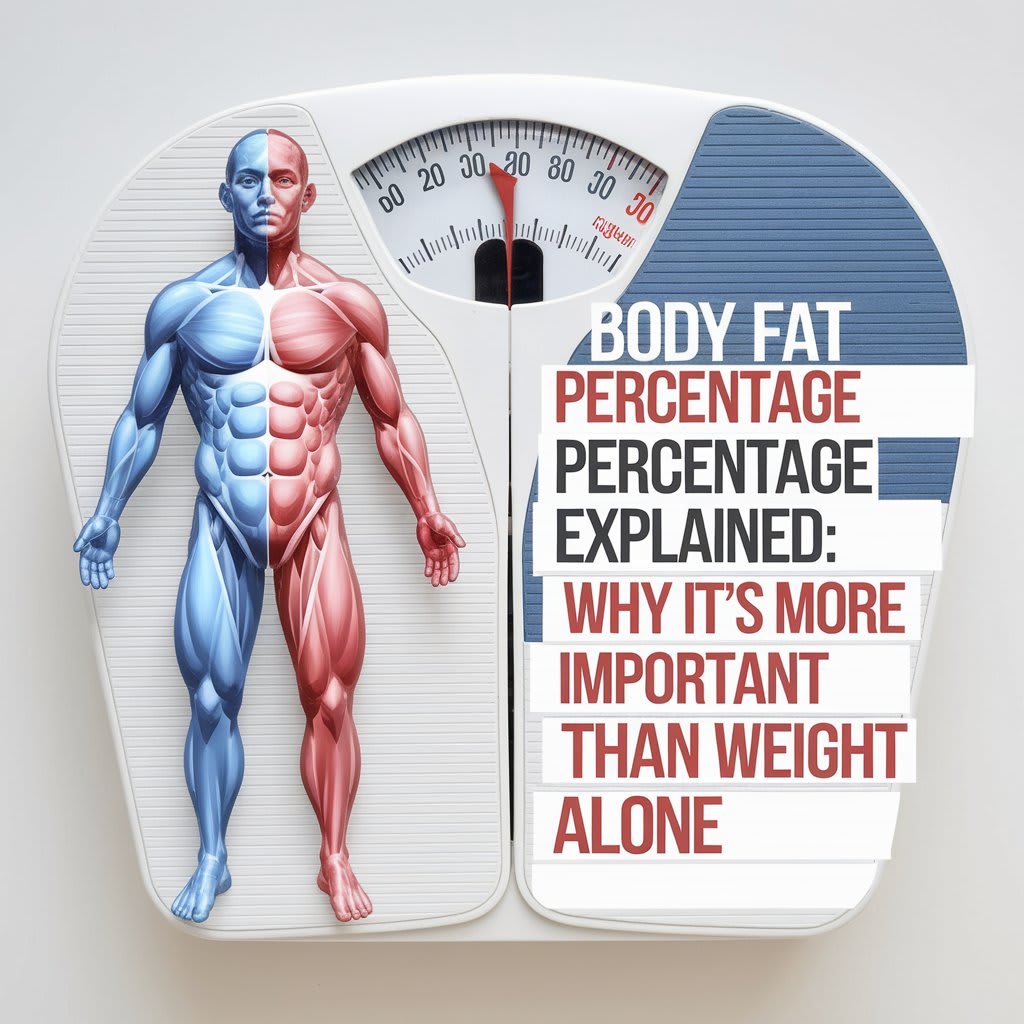
When it comes to health and fitness, the scale often steals the spotlight. Many people think their weight is the ultimate marker of health. But here’s the truth: body fat percentage is the real MVP. It tells a more complete story about your fitness and overall health.
Let’s dive deep into what body fat percentage means, why it matters more than weight alone, and how you can start tracking it today.
What Is Body Fat Percentage?
In simple terms, body fat percentage is the proportion of fat your body has compared to everything else—muscles, bones, water, and organs.
For example, if you weigh 150 pounds and 30 pounds of that is fat, your body fat percentage is 20%.
But here’s the thing: not all fat is bad. Your body actually needs fat to function properly. It helps regulate hormones, protects your organs, and provides energy reserves.
What you want to avoid is having too much fat—or too little.
Why Body Fat Percentage Matters More Than Weight?
You’ve probably heard the saying, “Muscle weighs more than fat.” While that’s not technically true (a pound is a pound), muscle is denser than fat. This means you could weigh the same as someone else but look completely different because of your body composition.
Here’s why focusing on body fat percentage is a game-changer:
1. Weight Doesn’t Differentiate Between Fat and Muscle
The scale only shows one number. It doesn’t care if that weight comes from fat, muscle, or water.
Imagine two people who both weigh 180 pounds:
One has 10% body fat (think athlete).
The other has 30% body fat (think sedentary lifestyle).
Same weight. Completely different health profiles.
2. Health Risks Are Linked to Excess Fat, Not Weight
High body fat percentages are linked to chronic diseases like diabetes, heart disease, and high blood pressure—not the number on the scale.
Conversely, someone with a higher weight but low body fat (like a bodybuilder) can be perfectly healthy.
3. It Tracks Progress More Accurately
If you’re working out and eating right, the scale might not budge—or it might even go up as you build muscle. That’s why tracking body fat percentage is so important. It shows your true progress.
What’s a Healthy Body Fat Percentage?
Healthy body fat ranges vary depending on age, gender, and activity level. Here’s a quick breakdown:
Category Men (%) Women (%)
Essential Fat 2–5% 10–13%
Athletes 6–13% 14–20%
Fitness 14–17% 21–24%
Average 18–24% 25–31%
Obese 25%+ 32%+
Knowing your ideal range gives you a clear target. But remember, it’s about balance—not perfection.
How to Measure Body Fat Percentage
If you’re ready to ditch the scale and focus on body composition, here are the most common methods to measure body fat:
1. Body Fat Calculator
Online tools, like the one on Solve My Day, are quick and easy. You’ll need basic measurements (like weight, height, waist, and neck circumference) to get an estimate.
2. Skinfold Calipers
A fitness pro pinches your skin in specific areas to estimate fat percentage. It’s affordable but requires practice to get accurate results.
3. Bioelectrical Impedance
Many smart scales use this method. It sends a tiny electrical current through your body to estimate fat and muscle mass.
4. DEXA Scans
The gold standard. This high-tech scan measures bone density, muscle, and fat. It’s super accurate but pricey.
5. Hydrostatic Weighing
You’re submerged in water to calculate body composition. It’s accurate but not very accessible.
Pick the method that works best for your goals and budget.
What Happens When Your Body Fat Percentage Is Too High?
Carrying too much body fat isn’t just about looks—it’s a health risk. Excess fat can lead to:
- Heart Disease: Too much visceral fat (around your organs) increases your risk of heart attacks.
- Type 2 Diabetes: Higher fat levels can mess with how your body processes insulin.
- Joint Pain: Extra weight puts stress on your joints, leading to arthritis.
Even worse? Fat gain can creep up over time. That’s why tracking your body fat is key.
What About Low Body Fat?
While people often aim for lower body fat, going too low can backfire. Essential fat is just that—essential. It helps with:
Hormone production.
Vitamin absorption.
Regulating body temperature.
Athletes who dip below essential fat levels often experience fatigue, weakened immune systems, and even fertility issues.
How to Lower Your Body Fat Percentage
If you’ve checked your numbers and want to make changes, here’s how to start:
1. Prioritize Strength Training
Building muscle increases your resting metabolic rate, which helps burn fat even when you’re not working out.
2. Focus on Nutrition
Eat more protein.
Cut back on processed carbs and sugar.
Add healthy fats (like avocados and nuts) to your meals.
3. Cardio for Fat Loss
High-Intensity Interval Training (HIIT) is a great way to torch calories and improve heart health.
4. Get Enough Sleep
Sleep affects hormones that control hunger and fat storage. Aim for 7–9 hours per night.
5. Stay Consistent
The key to lowering body fat is sticking to healthy habits over time. Quick fixes don’t last.
The Bottom Line
Weight only tells part of the story. If you want to truly understand your health, focus on body fat percentage instead.
It’s not about being skinny or shredded—it’s about balance. Tracking your body fat gives you a clear picture of your health and helps you make smarter decisions.
Ready to see where you stand? Try a Body Fat Calculator today and start your journey to better health.
About the Creator
Anand Karanje
https://solvemyday.com/
Keep reading
More stories from Anand Karanje and writers in Lifehack and other communities.
Mastering Land Measurements: A Comprehensive Guide to Converting Acres to Hectares
Land measurement. It’s one of those things that’s both ancient and surprisingly modern. Whether you're a farmer eyeing a new plot, a homeowner dreaming of more space, or a developer working on your next big project, understanding how to measure land is crucial. Yet, for many, the concept of converting acres to hectares is like staring at a foreign language.
By Anand Karanjeabout a year ago in Lifehack
When Does Relaxin Hormone Start in Pregnancy?
During pregnancy, several reproductive hormone levels peak. One of such hormones is Relaxin – produced by the placenta and ovaries. Its function is to relax and loosen the joints, muscles, and ligaments allowing your body to stretch more flexibly during conception. It prepares you for childbirth by loosening the pelvic ligaments and muscles, making labor easier.
By Alice Perryabout 15 hours ago in Lifehack
Top 10 Best Peptide Vendors in USA (Ranked & Reviewed)
Are you searching for the best peptide vendors in 2026 for research purposes or even for personal wellness goals like fat loss or hormone support? With the rise in popularity of peptides such as Semaglutide, Tirzepatide, BPC-157, and TB-500, the market has exploded—unfortunately, so have the number of shady or unverified suppliers. Finding a legit, trustworthy peptide vendor with high purity, third-party COAs, and affordable pricing can feel overwhelming.
By Hazel Jackson2 days ago in Lifehack




Comments
There are no comments for this story
Be the first to respond and start the conversation.