
Beyond the Stopwatch: How VO2 Max Testing Is Changing the Way People Measure Fitness
A growing number of people are turning to vo2 max testing to gain clearer insight into their fitness, training intensity, and long-term cardiovascular health.
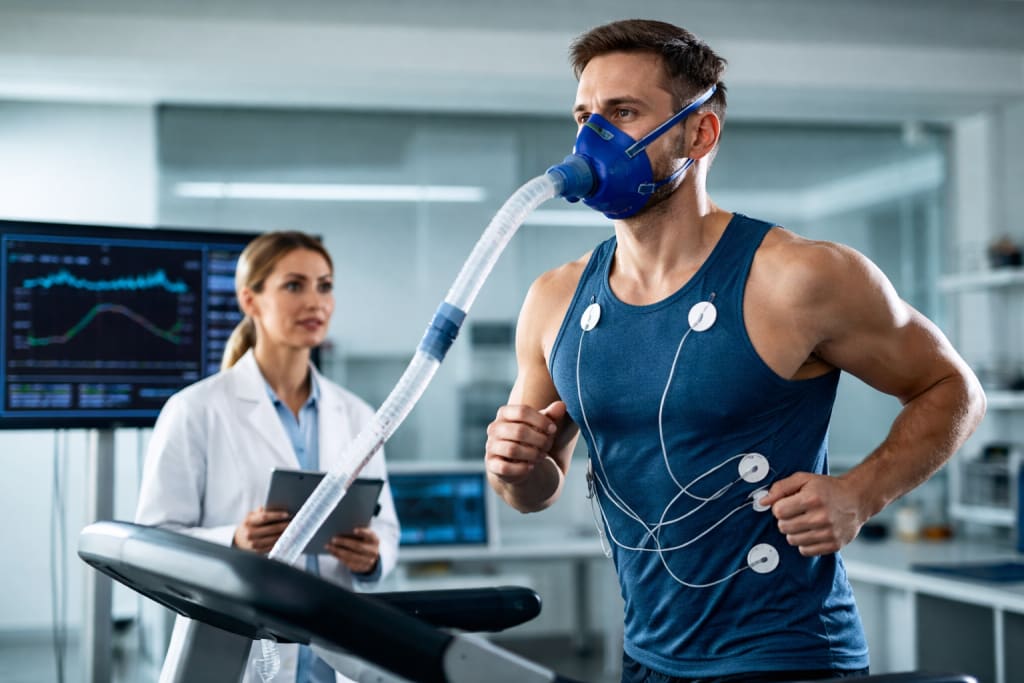
For decades, people have judged fitness using simple markers such as pace, distance, weight, or the number of calories displayed on a watch. These indicators still have value, yet they only show part of the picture. As training methods become more informed and accessible, many runners, cyclists, and everyday exercisers are looking deeper into how their bodies actually perform. One method gaining attention is vo2 max testing, a way of measuring how efficiently the body uses oxygen during exercise.
This shift reflects a broader movement toward evidence-based training and long-term health awareness. Instead of relying on guesswork, people increasingly want to know what is happening inside the body and how that knowledge may guide smarter decisions.
What VO2 Max Actually Measures
VO2 max refers to the maximum volume of oxygen the body can utilise during intense physical activity. Oxygen plays a central role in producing energy in muscles, so the ability to transport and use it efficiently directly affects endurance and performance.
When someone undergoes vo2 max testing, the assessment tracks breathing, heart rate, and exertion levels as exercise intensity gradually increases. The result is a measurable figure that reflects aerobic capacity. Higher values generally indicate greater efficiency in delivering oxygen to working muscles, though context such as age, training history, and health status always matters.
Researchers have also found that cardiovascular fitness is linked with long-term health outcomes. Articles exploring broader health patterns, such as those found in the Vocal Health section, often highlight the role of aerobic conditioning in reducing risk factors for chronic illness. VO2 max is one of the clearer ways to quantify that conditioning.
Why Traditional Fitness Metrics Have Limits
Tracking pace or distance can be motivating, yet these figures do not reveal how hard the body is working internally. Two runners might complete the same five-kilometre route in similar times, but one may be operating near maximum effort while the other remains comfortably within aerobic limits.
Wearable devices attempt to estimate aerobic capacity, but they rely on algorithms and assumptions rather than direct measurement. While useful for general trends, estimates may vary significantly depending on sensor accuracy, terrain, temperature, and hydration levels.
This gap between external performance and internal physiology explains why structured vo2 max testing has become more appealing. It provides a baseline grounded in measured data rather than approximation.
Who Benefits From VO2 Max Testing
Although often associated with elite athletes, vo2 max testing is increasingly relevant to a much wider group of people.
Recreational Endurance Athletes
Runners, cyclists, and swimmers frequently use aerobic capacity testing to set realistic training zones. Knowing the point at which the body transitions from aerobic to anaerobic work helps prevent overtraining and improves pacing strategies.
People Returning to Exercise
After injury, illness, or a long break, many individuals feel uncertain about how hard they should train. Testing offers a starting point based on real physiological responses rather than guesswork, which may reduce the likelihood of setbacks.
Individuals Focused on Long-Term Health
Cardiovascular fitness is closely linked with quality of life as people age. Understanding aerobic capacity provides insight into how efficiently the heart and lungs function, helping guide sustainable exercise habits.
Stories about rebuilding fitness gradually, such as those often shared in the Vocal Life & Self-Improvement section, illustrate how small, consistent changes supported by accurate information may lead to meaningful progress over time.
How VO2 Max Testing Changes the Way People Train
One of the most practical outcomes of vo2 max testing is the ability to create personalised training zones. Instead of relying on generic formulas, training intensity can be based on measured thresholds specific to the individual.
These zones help answer common questions:
How hard should easy runs feel?
When does an interval session become too intense to sustain?
How long should recovery last between efforts?
With this information, training plans become more precise. Athletes often discover they have been working either too hard or not hard enough in certain sessions. Adjusting intensity accordingly may improve endurance while reducing fatigue and injury risk.
Another advantage is objective progress tracking. Repeating vo2 max testing after several months provides a measurable comparison, showing whether aerobic capacity has improved, remained stable, or declined. This feedback can guide adjustments to training volume, intensity, or recovery practices.
What Happens During a Professional VO2 Max Assessment
People who have never undergone vo2 max testing often imagine a complex or intimidating procedure. In reality, most assessments follow a straightforward and controlled format.
Participants typically exercise on a treadmill or stationary bike while wearing a mask connected to equipment that analyses oxygen and carbon dioxide levels in each breath. The intensity gradually increases until the participant reaches their limit. Throughout the test, heart rate, ventilation, and workload are monitored.
The results are then interpreted by a qualified professional who explains what the numbers mean and how they relate to training or health goals. Many people find that this explanation is as valuable as the test itself, since data only becomes useful when it is clearly understood.
For readers curious about how supervised assessments work in practice, clinics offering structured evaluations, such as vo2 max testing at Integrated Physio, provide examples of how measured data may be translated into practical guidance for training and rehabilitation.
The Psychological Impact of Objective Fitness Data
Beyond the physiological benefits, measurable fitness data often changes how people feel about training. Instead of relying on perception alone, individuals gain a reference point grounded in evidence.
This clarity may increase motivation. When progress is visible in measurable improvements rather than subjective impressions, people often feel more confident in the value of their effort.
Objective data may also reduce anxiety. Some athletes worry that slowing down during easy sessions means they are losing fitness, when in fact slower aerobic training often supports long-term gains. Understanding training zones helps remove that uncertainty.
In many personal essays and reflective pieces published across Vocal, writers frequently describe how structured goals and clear feedback improve consistency and mindset. Fitness is no different; accurate information often leads to more sustainable habits.
The Future of Fitness Measurement
Interest in personalized health metrics continues to grow. As testing becomes more accessible, more people are exploring assessments that once seemed reserved for professional athletes.
This trend is not limited to performance sports. Physiotherapists and rehabilitation specialists increasingly use aerobic capacity data to guide recovery programs. Knowing safe intensity ranges allows patients to rebuild endurance gradually without overloading healing tissues.
Preventive health is another area where vo2 max testing is gaining attention. Rather than waiting for problems to appear, individuals are looking for ways to monitor cardiovascular fitness proactively. Data-driven insight supports earlier adjustments to lifestyle, training, and recovery practices.
Technology will likely continue to refine how fitness is measured, but the core principle remains unchanged: meaningful progress depends on understanding how the body responds to effort, not just how fast or far someone moves.
Measuring What Truly Matters
The way people measure fitness is evolving. Pace, distance, and calorie counts still have value, yet they no longer tell the full story. By examining how efficiently the body uses oxygen, vo2 max testing provides a deeper understanding of endurance, recovery, and cardiovascular health.
For recreational athletes, people returning to exercise, and those focused on long-term wellbeing, this insight may lead to smarter training decisions and more sustainable progress. Fitness is not only about performance on a given day; it is about building capacity that supports health for years to come. As more people look beyond the stopwatch, objective physiological data is becoming an increasingly trusted guide.
About the Creator
Keep reading
More stories from Rochelle Martinez and writers in Lifehack and other communities.
Beyond the Stopwatch: How VO2 Max Testing Is Changing the Way People Measure Fitness
For decades, people have judged fitness using simple markers such as pace, distance, weight, or the number of calories displayed on a watch. These indicators still have value, yet they only show part of the picture. As training methods become more informed and accessible, many runners, cyclists, and everyday exercisers are looking deeper into how their bodies actually perform. One method gaining attention is vo2 max testing, a way of measuring how efficiently the body uses oxygen during exercise.
By Rochelle Martinezabout 10 hours ago in Lifehack
Choosing a Moving Company in Canton: What Residents Should Know Before Relocating
Finding a reliable moving company in Canton can make a major difference in how stressful—or manageable—a relocation feels. Whether you are moving within the city, relocating to a nearby town, or planning a longer-distance move, understanding how the local moving landscape works helps you make informed decisions and avoid common setbacks.
By House Doctor3 days ago in Lifehack


Comments
There are no comments for this story
Be the first to respond and start the conversation.