
Beyond Salt
Hidden Sodium Culprits in Processed Foods and How to Avoid Them

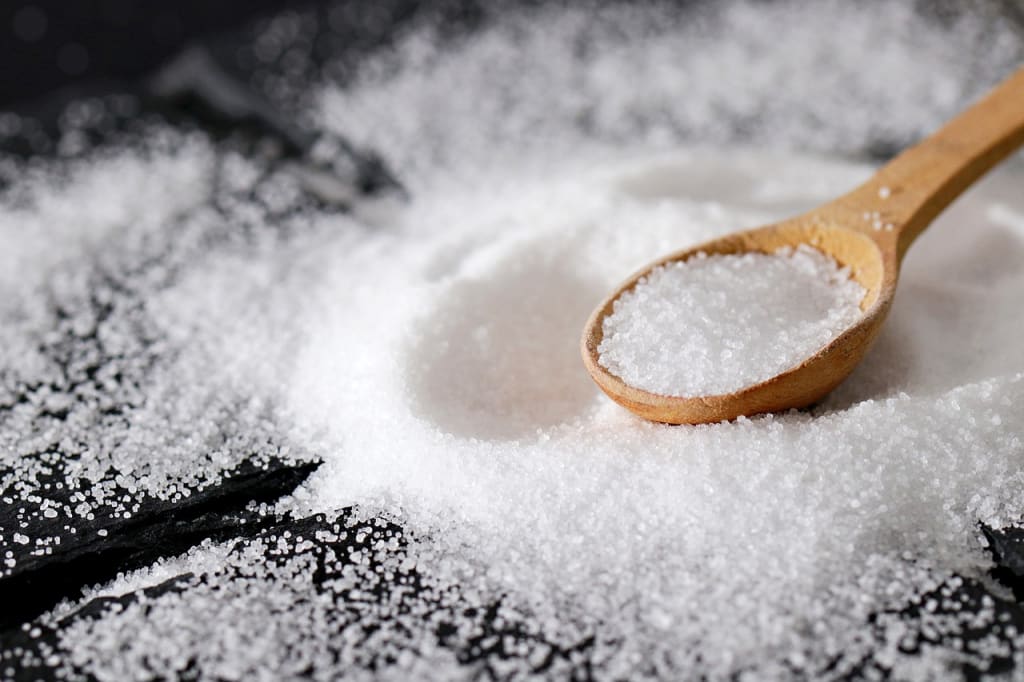
Sodium, an essential mineral, plays a crucial role in maintaining fluid balance, nerve function, and muscle contractions. However, excessive sodium intake is a well-known risk factor for high blood pressure, heart disease, and stroke. Most people are aware that table salt (sodium chloride) is a primary source of sodium in the diet, but what many don't realize is that sodium lurks in many unexpected places, especially in processed foods. This article explores these hidden sodium culprits and provides practical tips on how to avoid them.
The Role of Sodium in the Diet
Before delving into the hidden sources of sodium, it’s important to understand why sodium is added to foods in the first place. Sodium is not just a flavor enhancer; it also acts as a preservative, helps with food texture, and is necessary for some chemical reactions during processing. This makes it a common ingredient in a wide range of processed foods.
The recommended daily intake of sodium for an average adult is about 2,300 milligrams, equivalent to one teaspoon of table salt. However, many people consume much more than this, often without realizing it. According to the Centers for Disease Control and Prevention (CDC), over 70% of the sodium consumed by Americans comes from processed and restaurant foods, not from the salt shaker.
Unexpected Sources of Sodium in Processed Foods
While we often associate high sodium levels with salty snacks, canned soups, and fast food, sodium can be found in surprising places. Here are some unexpected sources of sodium that could be contributing to your daily intake without you even knowing it:
1. Bread and Bakery Products
Why It’s a Culprit: Bread is a staple in many diets, but even though it doesn’t taste particularly salty, it can contain significant amounts of sodium. This is because sodium is used in the dough to control yeast fermentation and improve texture. A single slice of bread can contain anywhere from 80 to 230 milligrams of sodium.
How to Avoid It: Opt for low-sodium or sodium-free bread options, or bake your own bread at home where you can control the sodium content.
2. Breakfast Cereals
Why It’s a Culprit: Breakfast cereals, especially those marketed as “healthy” or “whole grain,” often contain hidden sodium. This is added during processing to enhance flavor and shelf life. Some cereals can have up to 300 milligrams of sodium per serving.
How to Avoid It: Always check the nutrition label for sodium content and choose cereals with less than 140 milligrams of sodium per serving. Alternatively, consider making your own granola at home using oats and other low-sodium ingredients.
3. Condiments and Sauces
Why It’s a Culprit: Condiments like ketchup, mustard, soy sauce, and salad dressings are often packed with sodium. For example, one tablespoon of soy sauce can contain over 1,000 milligrams of sodium, nearly half the recommended daily intake.
How to Avoid It: Look for low-sodium or no-salt-added versions of your favorite condiments. You can also make your own dressings and sauces at home using fresh ingredients and herbs for flavoring instead of relying on salt.
4. Canned Vegetables and Soups
Why It’s a Culprit: Canned vegetables and soups are often preserved in a brine solution that contains a high amount of sodium. Even “reduced-sodium” versions can have significant amounts of sodium.
How to Avoid It: Choose fresh or frozen vegetables instead of canned varieties. If you must use canned vegetables, rinse them thoroughly under cold water to remove some of the sodium. For soups, consider making homemade versions where you can control the sodium content.
5. Processed Meats
Why It’s a Culprit: Processed meats like bacon, sausage, deli meats, and hot dogs are notoriously high in sodium. Sodium is used not only to enhance flavor but also to preserve the meat and prevent spoilage. A single serving of processed meat can contain between 500 to 1,000 milligrams of sodium.
How to Avoid It: Limit your consumption of processed meats and opt for fresh, unprocessed meats instead. If you do eat processed meats, look for low-sodium versions and consume them in moderation.
6. Cheese
Why It’s a Culprit: Cheese, especially processed cheese, is another significant source of hidden sodium. Sodium is used in cheese production to enhance flavor and texture, and to prevent bacterial growth. Some cheeses can contain over 400 milligrams of sodium per ounce.
How to Avoid It: Choose low-sodium cheeses like Swiss or mozzarella, or use smaller portions of regular cheese. You can also experiment with using nutritional yeast as a low-sodium alternative to cheese in some dishes.
7. Frozen Meals
Why It’s a Culprit: Frozen meals are convenient, but they are often loaded with sodium to preserve flavor and texture during freezing. Even seemingly healthy options like frozen vegetables with sauce or lean frozen entrees can have high sodium levels.
How to Avoid It: Limit your consumption of frozen meals and opt for fresh or home-cooked meals whenever possible. If you do buy frozen meals, look for those labeled as “low sodium” or “heart healthy.”
8. Snack Foods
Why It’s a Culprit: While it’s no surprise that chips and pretzels are high in sodium, many other snack foods, including crackers, popcorn, and even some types of nuts, can also be sodium-heavy. Sodium is used in these snacks not only for flavor but also as a preservative.
How to Avoid It: Choose unsalted or lightly salted versions of your favorite snacks. You can also make your own snacks at home, such as air-popped popcorn seasoned with herbs and spices instead of salt.
9. Packaged and Processed “Health” Foods
Why It’s a Culprit: Foods marketed as “low fat” or “heart healthy” can be surprisingly high in sodium. Manufacturers often add sodium to these products to compensate for the reduced fat content and maintain flavor.
How to Avoid It: Don’t be fooled by health claims on packaging. Always read the nutrition label and ingredient list to check for hidden sodium.
10. Beverages
Why It’s a Culprit: Some beverages, particularly sports drinks, flavored waters, and certain carbonated drinks, can contain sodium. Sports drinks are often marketed to replenish electrolytes, including sodium, lost during exercise, but they are not necessary for most people and can contribute to excessive sodium intake.
How to Avoid It: Stick to water, herbal teas, or unsweetened beverages. If you need to replenish electrolytes after a workout, consider eating a piece of fruit like a banana, which provides potassium and natural sugars without added sodium.
Strategies for Reducing Sodium Intake
Reducing your sodium intake doesn’t have to mean sacrificing flavor. Here are some strategies to help you cut back on hidden sodium in your diet:
1. Read Labels Carefully
Always check the nutrition labels on processed foods. Look for the sodium content per serving and be mindful of serving sizes. Foods with 140 milligrams of sodium or less per serving are considered low-sodium.
2. Cook at Home
Preparing meals at home allows you to control the amount of sodium in your food. Use fresh ingredients and herbs to enhance flavor without adding salt. Cooking from scratch can significantly reduce your sodium intake.
3. Use Spices and Herbs
Instead of reaching for the salt shaker, experiment with herbs and spices to add flavor to your dishes. Garlic, onion powder, cumin, rosemary, thyme, and basil are excellent options that can bring depth to your cooking without added sodium.
4. Rinse Canned Foods
If you use canned vegetables or beans, rinse them under cold water before cooking. This simple step can remove up to 40% of the sodium content.
5. Opt for Fresh or Frozen Over Canned
Whenever possible, choose fresh or frozen fruits and vegetables over canned varieties. These options are naturally low in sodium and provide essential nutrients without the added salt.
6. Limit Processed and Packaged Foods
The more processed a food is, the more likely it is to contain high levels of sodium. Try to limit your intake of processed and packaged foods and opt for whole, unprocessed foods instead.
7. Be Cautious with Restaurant Meals
Restaurant meals, especially fast food, are often high in sodium. If you’re dining out, ask for nutritional information and choose dishes with lower sodium content. You can also request that your meal be prepared with less salt.
8. Gradually Reduce Salt in Recipes
If you’re used to cooking with salt, try gradually reducing the amount you use in recipes. Your taste buds will adjust over time, and you’ll start to appreciate the natural flavors of food.
9. Watch Out for “Hidden” Sources
Be aware of the unexpected sources of sodium mentioned earlier in this article. Even foods that don’t taste salty can contribute to your daily sodium intake.
10. Educate Yourself and Your Family
Understanding where sodium hides in your diet is the first step to making healthier choices. Share this knowledge with your family and encourage them to be mindful of their sodium intake as well.
Conclusion
Sodium is an essential nutrient, but consuming too much of it can have serious health consequences. While it’s easy
You said:
continue
ChatGPT said:
ChatGPT
to recognize the obvious sources of sodium like table salt and salty snacks, it's the hidden sodium culprits in processed foods that often go unnoticed. These unexpected sources can easily add up, leading to excessive sodium intake without you even realizing it.
By becoming more aware of where sodium hides in your food, you can take proactive steps to reduce your intake. Reading labels, choosing fresh ingredients, and cooking at home are all effective strategies to help you avoid these hidden sodium traps. Additionally, using herbs and spices to flavor your meals, rinsing canned foods, and being mindful of restaurant choices can make a significant difference in managing your sodium levels.
Reducing sodium intake doesn't mean your meals have to be bland or boring. On the contrary, it opens up the opportunity to explore new flavors and cooking methods that can enhance the taste of your food without relying on salt. By making small, gradual changes to your diet, you can lower your sodium intake and improve your overall health, reducing the risk of hypertension, heart disease, and other sodium-related health issues.
In conclusion, understanding the hidden sodium culprits in processed foods is key to maintaining a healthy diet. By being vigilant and making informed choices, you can enjoy delicious meals while keeping your sodium intake in check. Remember, it's not just about avoiding the salt shaker—it's about knowing where sodium is hiding and taking steps to avoid it in all its forms.
About the Creator
increase
Infusing expertise into every word to empower you with the best choices. Unveiling hidden gems and top-notch products for your refined taste and better lifestyle. #QualityContent #InformedDecisions
Bullies Suck
We’ve all had to deal with bullies. The problem is when the bullies become a problem at work. You need to figure out ways to deal with the problem, and to do so in such a way that the problem is dealt with permanently. No one deserves to be humiliated where they work or play, and if someone makes you feel like you are worth less than nothing then they need to be dealt with, preferably by the book. Hopefully, you’ll find a way to deal with your bully that removes them from the situation.
By Jamais Jochim4 days ago in Lifehack
A Historic Declaration
We the People of the Husbands of the United States of America, in Order to form a more perfect Union, and I mean you...with me...establish Justice, insure domestic Tranquility, provide for the common defence, promote the general Welfare, and secure the Blessings of Liberty to ourselves, after Puberty, do ordain and establish this Declaration of Co-Dependence.
By Gerard DiLeo5 days ago in Humans



Comments
There are no comments for this story
Be the first to respond and start the conversation.