
Benefits of Jute Leaves (Patshak)
A Nutritious and Natural Remedy for a Healthier Life
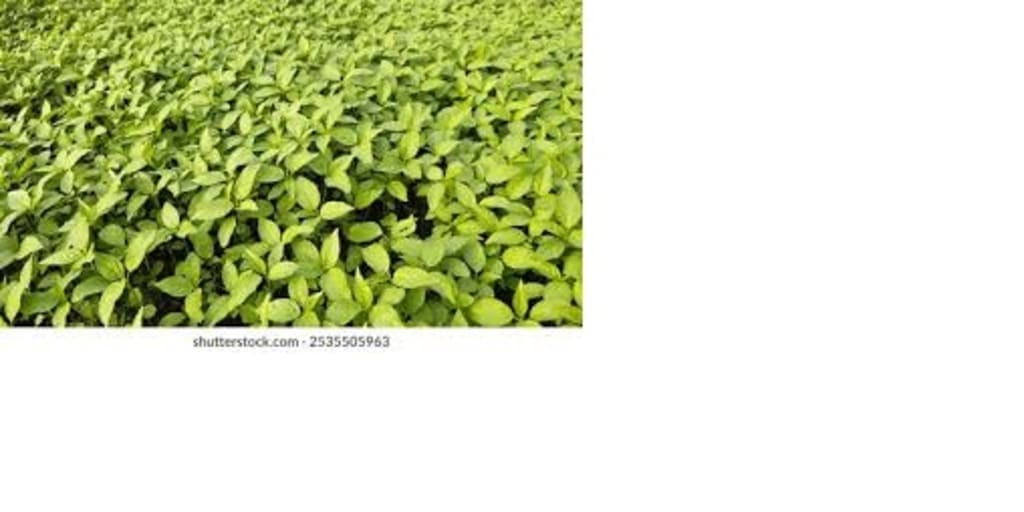
In Bangladesh, jute leaves, or patshak, are among the most widely consumed and nutrient-dense green vegetables. It has several health and medical advantages in addition to giving our meals more flavour and variety. The monsoon season is when patshak is most frequently available and is usually prepared from the leaves of the jute plant. This leafy green is consumed by people in both rural and urban areas. Patshak is high in iron, calcium, vitamins A and C, and antioxidants that strengthen the immune system, according to nutritionists. Jute leaves, also known as "nalta" or "kosha" in some regions, are the leafy greens of the jute plant (Corchorus olitorius), which is primarily grown for its fiber.
Firstly, patshak is highly beneficial in preventing anemia. Its high iron content aids in the production of hemoglobin and ensures the proper transportation of oxygen in the blood. It is especially helpful for those suffering from iron deficiency. For women experiencing blood loss during menstruation or during pregnancy, patshak serves as an effective dietary supplement. Secondly, the calcium and phosphorus in patshak contribute to strengthening bones and teeth. It is an ideal leafy vegetable for children, as it supports their physical growth and development.
Thirdly, patshak has a lot of vitamins A and C, which support healthy skin and hair as well as good vision. Frequent ingestion can lower the risk of night blindness and cataracts. Vitamin C strengthens the body's defences against respiratory infections and the common cold. Fourth, there is a considerable quantity of dietary fibre in patshak, which helps with digestion and eases constipation. Frequent consumption helps avoid stomach problems including bloating, indigestion, and abdominal discomfort and guarantees a healthy bowel movement.
Fifthly, patshak acts as a natural detoxifier. It helps flush out toxins from the body and improves the functioning of the liver and kidneys. Additionally, those looking to lose weight will find patshak particularly beneficial. It is low in calories but high in nutrients, making one feel full for longer and reducing the tendency to overeat. Patshak also helps regulate blood cholesterol levels, thereby reducing the risk of heart disease. Diabetic patients can safely consume patshak, as it helps control blood sugar levels.
Patshak's accessibility and cost are other significant factors. It is accessible to people of all financial levels because it can be grown in most sections of the nation without the requirement for intensive care. Additionally, it is simple to prepare—whether it is mashed, stir-fried, or cooked with lentils, it always results in a tasty and nourishing meal. It is particularly appropriate for people who are health-conscious because it calls for very little oil and spices.
How to Use Jute Leaves:
• In Cooking: Jute leaves are often used in soups, stews, and curries, especially in South Asian and African cuisines. They can also be added to salads and smoothies.
• Juice or Tea: In some places, the leaves are used to prepare herbal tea or juice, which can be consumed for health benefits.
• Topical Application: Jute leaves are sometimes used in poultices for treating wounds or skin inflammation.
In summary, patshak is a cheap, nutritious, and easily available food with countless benefits. It not only helps fill nutritional gaps in the body but also aids in the prevention of various diseases. Health-conscious individuals should consider including patshak in their daily diet. This natural leafy green is a part of our ancient food heritage, and its significance is acknowledged even in modern nutritional science. Therefore, it can be said that patshak is not just a vegetable—it is a true gift of nature.
About the Creator
Keep reading
More stories from Sadia Swarna and writers in Lifehack and other communities.
10 Tips for Staying Healthy and Beautiful
Maintaining a healthy and beautiful life requires balance in both body and mind. By following a few simple habits every day, you can greatly improve your overall well-being. Here are 10 effective tips for staying healthy and beautiful:
By Sadia Swarna9 months ago in Education
Slow Thinking: Power in a Fast World
In an era of instant notifications and rapid decisions, slow thinking emerges as a vital counterforce. This deliberate approach, popularized by thinkers like Daniel Kahneman in Thinking, Fast and Slow, contrasts reactive impulses with measured reflection, yielding superior outcomes in work, life, and creativity. Platforms like DeContrabas quietly embody this philosophy, offering minimalist spaces where ideas can breathe and deepen.
By Tracee Jones5 days ago in Lifehack



Comments
There are no comments for this story
Be the first to respond and start the conversation.