
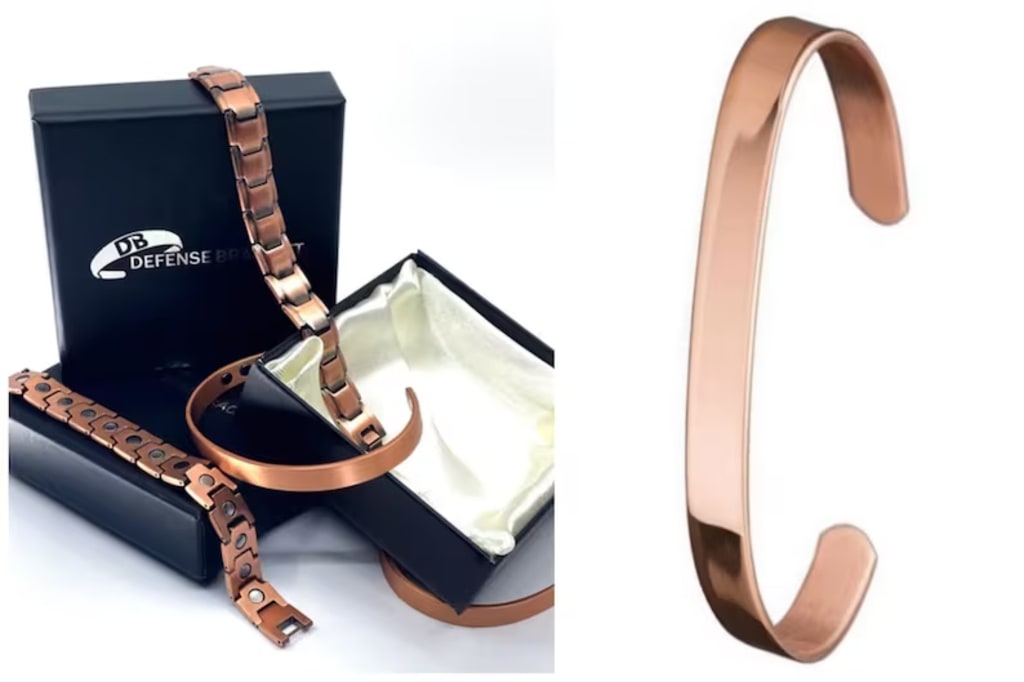
Copper bracelets have been used for centuries for their supposed health benefits, and they continue to be popular today. While some people swear by the benefits of wearing a copper bracelet, others remain skeptical and question the validity of these claims. In this comprehensive review, we will examine the evidence for the most commonly cited benefits of copper bracelets.
Anti-inflammatory effects: Some people believe that copper has anti-inflammatory properties, and wearing a copper bracelet may help reduce swelling and discomfort in joints and muscles. While there is some evidence that copper has anti-inflammatory properties, the evidence for these effects when delivered through a copper bracelet is limited. In fact, a number of studies have found that copper bracelets have no significant effect on reducing inflammation or swelling.
Arthritis relief: Arthritis is a common condition characterized by inflammation and pain in the joints. Some people claim that copper bracelets can help relieve the symptoms of arthritis, including pain, stiffness, and inflammation. However, there is limited scientific evidence to support these claims. A small number of studies have found that copper bracelets may have a mild pain-relieving effect, but more research is needed to determine their effectiveness in treating arthritis.
Improved circulation: Some people believe that copper bracelets can improve circulation, which can help deliver oxygen and nutrients to the tissues and organs. While there is some evidence that copper can improve circulation, the evidence for this effect when delivered through a copper bracelet is limited. Additionally, it is unlikely that the small amount of copper absorbed through the skin from a bracelet would have a significant impact on circulation.
Increased energy: Some people believe that copper can help increase energy levels, and wearing a copper bracelet may help improve overall energy and vitality. However, there is limited scientific evidence to support these claims. While copper is an essential mineral that is involved in a number of metabolic processes, it is unlikely that the small amount of copper absorbed through the skin from a bracelet would have a significant impact on energy levels.
Antioxidant properties: Copper is a naturally occurring mineral that has antioxidant properties, and some people believe that wearing a copper bracelet may help protect against oxidative stress and free radical damage. While copper does have antioxidant properties, the evidence for these effects when delivered through a copper bracelet is limited. Additionally, it is unlikely that the small amount of copper absorbed through the skin from a bracelet would have a significant impact on antioxidant status.
It's important to note that while some people may experience benefits from wearing a copper bracelet, the evidence for these benefits is limited, and more research is needed to determine their efficacy. Additionally, wearing a copper bracelet alone is unlikely to have a significant impact on health, and other factors such as diet, exercise, and lifestyle also play a role.
In conclusion, the evidence for the health benefits of copper bracelets is limited and more research is needed to determine their efficacy. While some people may experience benefits from wearing a copper bracelet, it is important to keep in mind that they are not a substitute for a healthy diet, regular exercise, and a balanced lifestyle. If you are considering wearing a copper bracelet for its supposed health benefits, it is best to consult with a healthcare professional to determine if it is right for you.
About the Creator
Keep reading
More stories from writers in Lifehack and other communities.
How to choose alpine skis?
Before the start of the winter season, it is important not only to decide on the place of future rest, but also to choose the right alpine skis. Moreover, not only the manufacturing company matters, but also the length, type of equipment, etc. Let's see what types of skis exist and how to choose them correctly.
By Olaf Podolski5 days ago in Lifehack
Why Creators Feel Rushed in the Age of Endless Content
Not long ago, creative work followed a slower, more deliberate rhythm. Artists had time to sit with ideas, revise them, and release their work when it felt ready. Today, that rhythm has changed. Creativity now lives inside an attention-driven digital world where timing often matters as much as talent.
By Beat Viz aiabout 7 hours ago in Lifehack




Comments
There are no comments for this story
Be the first to respond and start the conversation.