
Bacterial Infection Unveiled: Understanding the Causes, Symptoms, and Treatment
Don't Let Bacterial Infections Rule Your Life – Take Charge and Stay Healthy!
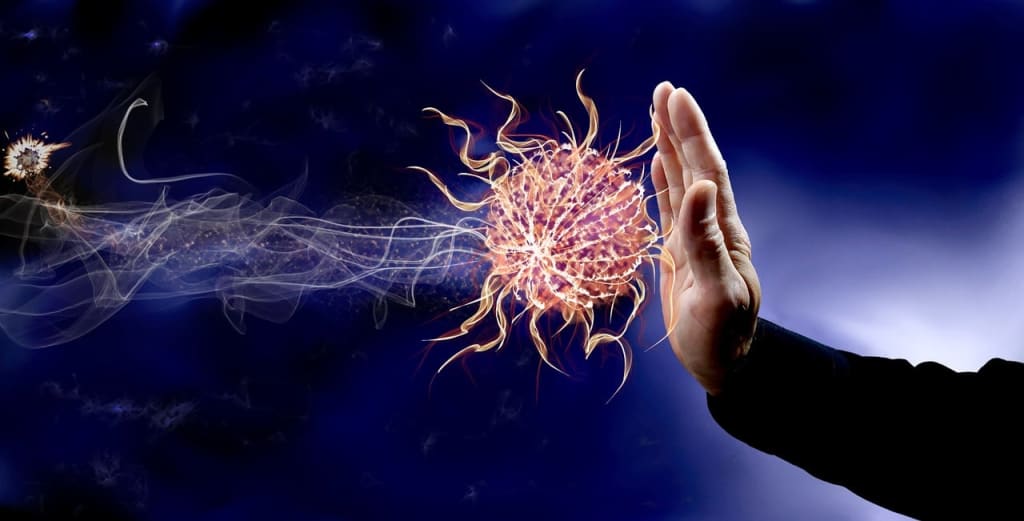
Unlocking the Secrets of Bacterial Infections for a Happier, Healthier You.
Introduction
Bacterial infections can be quite a nuisance, disrupting our daily lives and making us feel unwell. Understanding the causes, symptoms, and treatment options can empower us to take control of our health. In this article, we will delve into the world of bacterial infections, exploring the most common types, their causes, signs to watch out for, and how to manage them effectively.
What are 4 common bacterial infections?
Bacterial infections can occur in various parts of the body, causing a range of ailments. Here are four common types of bacterial infections you should be aware of:
1. Urinary Tract Infections (UTIs): UTIs are often caused by the bacteria Escherichia coli (E. coli) and can affect the bladder, urethra, or kidneys. Common symptoms include frequent urination, a burning sensation during urination, cloudy urine, and abdominal pain.
2. Pneumonia: Pneumonia is an infection that affects the lungs and is commonly caused by bacteria such as Streptococcus pneumoniae. Symptoms may include a persistent cough, difficulty breathing, chest pain, fever, and fatigue.
3. Skin Infections: Bacterial infections on the skin, such as cellulitis or impetigo, can occur due to cuts, insect bites, or other skin injuries. These infections may present as redness, swelling, warmth, pain, and the formation of pus.
4. Foodborne Illnesses: Bacteria like Salmonella, Campylobacter, and E. coli can contaminate food and cause gastrointestinal infections. Symptoms include nausea, vomiting, diarrhea, abdominal pain, and fever.
What is the main cause of bacterial infections?
Bacterial infections can have multiple causes, but the most common route of transmission is through direct contact with infected individuals, contaminated objects, or contaminated food and water. Poor hygiene practices, such as inadequate handwashing, can contribute to the spread of bacteria. Additionally, certain medical conditions or a weakened immune system can increase the risk of bacterial infections.
Stay Informed, Stay Protected – Learn How to Spot and Treat Bacterial Infections.
What are signs of bacterial infection?
Recognizing the signs of a bacterial infection is crucial for prompt diagnosis and treatment. Here are some common indicators that suggest a bacterial infection may be present:
1. Inflammation: Redness, swelling, or warmth in a specific area of the body may indicate a bacterial infection.
2. Pain and Discomfort: Bacterial infections often cause localized pain or discomfort, such as a sore throat, abdominal pain, or pain during urination.
3. Fever: A sudden rise in body temperature is a common response to bacterial infections. Monitoring your temperature can help identify a possible infection.
4. Pus or Discharge: The presence of pus or abnormal discharge from a wound, skin lesion, or body orifice may indicate a bacterial infection.
Tagline 2: Stay Informed, Stay Protected – Learn How to Spot and Treat Bacterial Infections.
What are 5 common symptoms of a bacterial infection?
While symptoms can vary depending on the type and location of the infection, here are five common symptoms associated with bacterial infections:
1. Fever: A fever is the body's natural response to infection and indicates that your immune system is fighting off bacteria.
2. Fatigue: Bacterial infections can often leave you feeling tired and drained due to the body's increased energy expenditure to combat the infection.
3. Pain and Swelling: Inflammation caused by bacterial infections can result in pain, tenderness, and swelling in the affected area.
4. Abnormal Discharge: Unusual discharge from body orifices, such as discharge from the eyes, ears, or genital area, may be a sign of bacterial infection.
5. Respiratory Symptoms: Bacterial infections in the respiratory system can cause symptoms such as coughing, shortness of breath, chest congestion, and productive coughing (coughing up mucus or phlegm).
Conclusion
Bacterial infections are a common occurrence, but armed with knowledge, we can protect ourselves and seek timely treatment. Remember to maintain good hygiene practices, such as regular handwashing, and be aware of the symptoms associated with bacterial infections. If you suspect you may have a bacterial infection, consult with a healthcare professional for an accurate diagnosis and appropriate treatment. Stay informed, stay protected, and prioritize your well-being!
About the Creator
Don't Miss The Fun Extras Offered by Your Favorite Companies
National retailers know the way to a customer’s heart is by giving them a little something extra. Many companies offer customers incentives such as free goodies, sample boxes, and workshops. The problem is that many of the offers aren’t widely advertised. Are you missing out on cool extras from your favorite companies?
By Criminal Matters3 days ago in Lifehack



Comments
There are no comments for this story
Be the first to respond and start the conversation.