
Asthma, Emphysema, And Bronchitis: Know The Differences
Asthma, Emphysema, And Bronchitis are chronic inflammatory lung diseases that cause swelling in the airways.
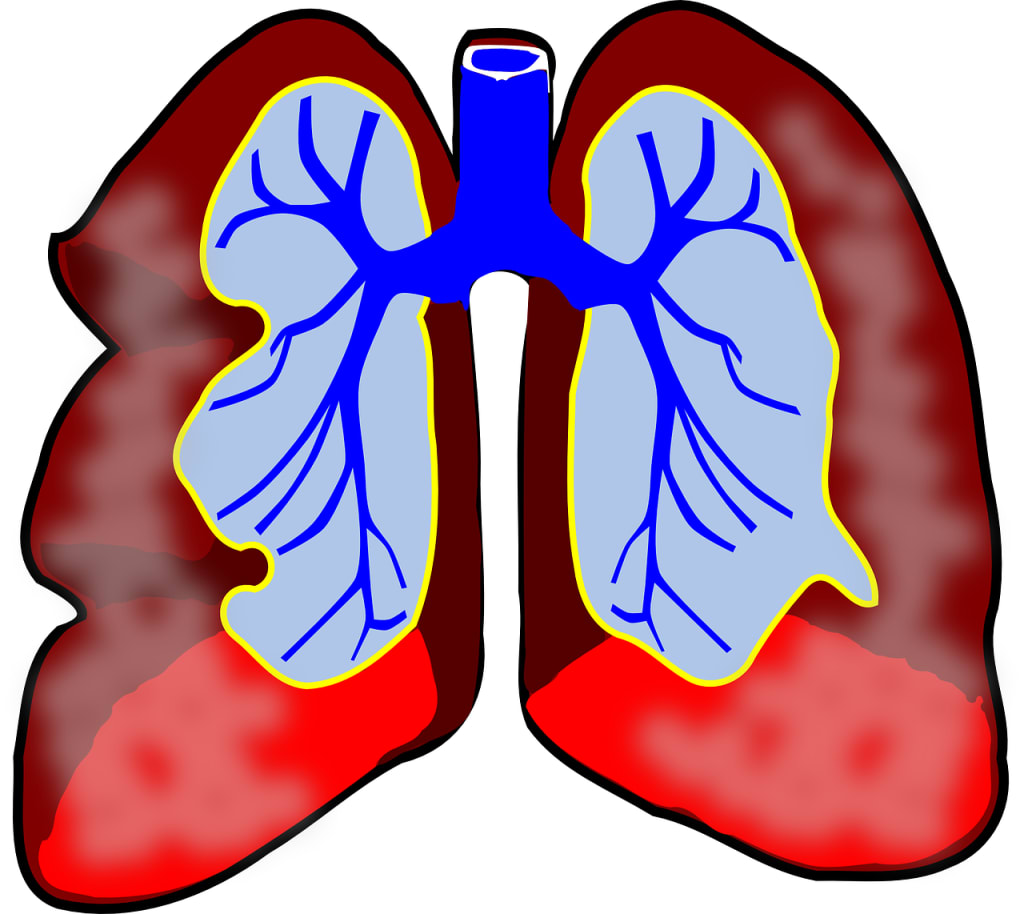
Asthma, emphysema, and bronchitis are all respiratory diseases that can cause breathing difficulties, coughing and wheezing. Although they share some similarities, they differ in their causes, symptoms, and treatments. It is essential to understand the differences between these conditions to seek proper medical care and manage symptoms effectively.
Asthma is a chronic disease that affects the airways in the lungs. It causes the airways to narrow and become inflamed, making it difficult to breathe. The symptoms of asthma include wheezing, shortness of breath, chest tightness, and coughing. These symptoms can be triggered by various factors such as allergens, exercise, cold air, and stress. Asthma can be controlled with medication such as bronchodilators, which relax the muscles around the airways, and corticosteroids, which reduce inflammation. People with asthma should also avoid triggers and have an asthma action plan in case of an emergency.
Emphysema is a type of chronic obstructive pulmonary disease (COPD) that primarily affects the alveoli in the lungs. The alveoli are small air sacs that exchange oxygen and carbon dioxide. In emphysema, the alveoli become damaged and lose their elasticity, making it difficult to exhale. The primary symptom of emphysema is shortness of breath, which gradually worsens over time. Emphysema is caused mainly by smoking, and quitting smoking is the most effective way to slow down its progression. Other treatments for emphysema include bronchodilators, oxygen therapy, and pulmonary rehabilitation.
Bronchitis is the inflammation of the bronchial tubes, which carry air to and from the lungs. It can be acute, which lasts for a few weeks, or chronic, which lasts for at least three months a year for two consecutive years. The most common cause of acute bronchitis is a viral infection, while chronic bronchitis is primarily caused by smoking. The symptoms of bronchitis include coughing, mucus production, chest discomfort, and shortness of breath. Acute bronchitis usually resolves on its own, while chronic bronchitis can be managed with medication such as bronchodilators, corticosteroids, and antibiotics for bacterial infections.
While these respiratory diseases share some similarities, they differ in their causes, symptoms, and treatments. Asthma is a chronic disease that affects the airways in the lungs and is characterized by wheezing, shortness of breath, chest tightness, and coughing. Emphysema is a type of COPD that affects the alveoli in the lungs, causing shortness of breath, and is mainly caused by smoking. Bronchitis is the inflammation of the bronchial tubes and is characterized by coughing, mucus production, chest discomfort, and shortness of breath. Acute bronchitis usually resolves on its own, while chronic bronchitis can be managed with medication.
It is important to seek medical attention if you experience any symptoms of these respiratory diseases. The doctor can perform tests such as spirometry, which measures lung function, to diagnose the condition. Proper diagnosis is essential to determine the appropriate treatment plan, which may include medication, lifestyle changes, and/or pulmonary rehabilitation.
In addition to seeking medical attention, there are steps people can take to prevent respiratory diseases. Avoiding smoking and exposure to secondhand smoke is crucial in preventing emphysema and chronic bronchitis. People with asthma should avoid triggers such as allergens and have an asthma action plan in case of an emergency. Regular exercise and a healthy diet can also help improve lung function and overall health.
Asthma And Bronchitis treatment
Asthma and bronchitis are respiratory conditions that can cause inflammation and narrowing of the airways, leading to difficulty breathing. Treatment for these conditions typically involves a combination of medications and lifestyle changes.
For asthma, the primary treatment is often the use of inhalers, which deliver medication directly to the lungs to help open up the airways. There are two main types of inhalers: relievers, which are used to provide immediate relief of symptoms, and preventers, which are used on a daily basis to prevent symptoms from occurring. Examples of medications used in inhalers include short-acting beta-agonists, long-acting beta-agonists, corticosteroids, and leukotriene modifiers.
In addition to medication, lifestyle changes can also be helpful for managing asthma. This may include identifying and avoiding triggers, such as allergens or irritants, maintaining a healthy weight, and staying physically active.
For bronchitis, treatment may involve the use of bronchodilators, which are medications that help open up the airways. Examples of bronchodilators include short-acting beta-agonists and anticholinergics. In some cases, corticosteroids may also be used to help reduce inflammation in the airways.
In addition to medication, lifestyle changes such as quitting smoking, staying hydrated, and getting plenty of rest can also be helpful for managing bronchitis.
It's important to note that treatment for asthma and bronchitis can vary depending on the severity of the condition and the individual's medical history, so it's important to work closely with a healthcare provider to develop a personalized treatment plan.
About the Creator
Keep reading
More stories from Bhavanaben Rathva and writers in Lifehack and other communities.
Turmeric Tea For Diabetes: Can Haldi Help Bring High Blood Sugar Under Control?
Turmeric, also known as haldi in India, is a spice that is widely used in Asian cuisine and has gained popularity worldwide for its numerous health benefits. It is rich in curcumin, a powerful compound with antioxidant and anti-inflammatory properties. Consuming turmeric can help with digestive issues and weight management. It can also be used to treat chronic health conditions such as Alzheimer's disease, heart disease, allergies, depression, multiple sclerosis, and type 2 diabetes.
By Bhavanaben Rathva3 years ago in Lifehack
5 Simple Lifehacks to Keep Your Teeth Healthy Every Day
Healthy teeth aren’t just about occasional dental visits—they’re shaped by the little choices you make every day. Simple habits, when done consistently, can prevent cavities, gum issues, sensitivity, and other oral concerns while keeping your smile bright and comfortable. These lifehacks are easy to integrate into your routine and don’t require drastic lifestyle changes.
By Smile Sydney6 days ago in Lifehack




Comments
There are no comments for this story
Be the first to respond and start the conversation.