
Artificial intelligence in healthcare
The Power of A.I

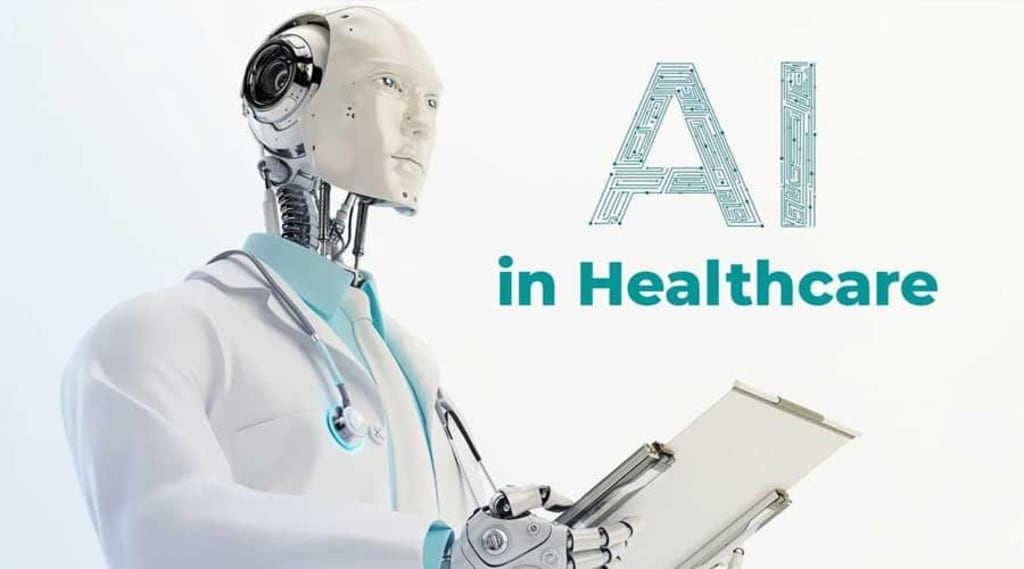
Artificial Intelligence (AI) is transforming the healthcare sector, offering innovative solutions to long-standing challenges and creating new opportunities for patient care, diagnosis, treatment, and management. The integration of AI in healthcare is revolutionizing how medical professionals approach patient care, making processes more efficient, personalized, and accurate.
This article explores the various applications of AI in healthcare, the benefits it brings, the challenges faced, and the future outlook of AI-driven healthcare.
1. Applications of AI in Healthcare
1.1 Diagnostic Accuracy and Imaging
AI algorithms are increasingly used to analyze medical images, such as X-rays, MRIs, and CT scans, with a level of accuracy that often surpasses human capabilities. Machine learning models can detect anomalies and diseases like cancer, cardiovascular conditions, and neurological disorders at an early stage. For instance, AI-powered tools can identify patterns in medical imaging that might be missed by the human eye, leading to more accurate diagnoses and better patient outcomes.
1.2 Personalized Treatment Plans
AI enables the creation of personalized treatment plans by analyzing vast amounts of patient data, including medical history, genetic information, lifestyle factors, and current health status. AI systems can predict how individual patients will respond to different treatments, allowing healthcare providers to tailor interventions to achieve the best possible outcomes. This personalized approach enhances the effectiveness of treatments and reduces the likelihood of adverse reactions.
1.3 Predictive Analytics and Disease Prevention
Predictive analytics, powered by AI, helps in anticipating health issues before they become critical. By analyzing historical and real-time data, AI models can predict disease outbreaks, identify high-risk patients, and recommend preventive measures. For example, AI can monitor vital signs and alert healthcare providers to potential issues like heart attacks or strokes, enabling timely interventions and potentially saving lives.
1.4 Virtual Health Assistants and Chatbots
AI-driven virtual health assistants and chatbots provide patients with immediate access to medical information and support. These tools can answer health-related questions, provide medication reminders, schedule appointments, and offer guidance on managing chronic conditions. Virtual assistants improve patient engagement and satisfaction by offering 24/7 support and reducing the burden on healthcare professionals.
1.5 Drug Discovery and Development
The drug discovery process is traditionally time-consuming and costly. AI accelerates this process by analyzing complex biological data, identifying potential drug candidates, and predicting their effectiveness. Machine learning algorithms can simulate how different compounds interact with biological targets, significantly reducing the time and cost associated with bringing new drugs to market. AI also aids in repurposing existing drugs for new therapeutic uses, offering new treatments for various diseases.
1.6 Robotic Surgery
AI-powered robots are being used in surgical procedures to enhance precision, reduce invasiveness, and improve recovery times. These robots assist surgeons by providing real-time data, enhancing their ability to make precise movements, and minimizing human error. Robotic surgery is particularly beneficial in complex procedures, where the margin for error is minimal. The integration of AI in surgical robotics leads to better surgical outcomes and a faster recovery for patients.
2. Benefits of AI in Healthcare
2.1 Improved Patient Outcomes
AI enhances diagnostic accuracy, enables personalized treatment, and facilitates early intervention, all of which contribute to improved patient outcomes. By leveraging AI, healthcare providers can offer more effective treatments, reduce complications, and enhance the overall quality of care.
2.2 Increased Efficiency
AI streamlines administrative tasks, such as scheduling, billing, and documentation, allowing healthcare professionals to focus more on patient care. Automated systems reduce the time spent on routine tasks, improving efficiency and reducing operational costs. AI also optimizes resource allocation, ensuring that healthcare facilities operate more effectively.
2.3 Enhanced Research and Development
AI accelerates research and development in healthcare by analyzing vast amounts of data quickly and accurately. Researchers can uncover new insights, identify trends, and develop innovative treatments and therapies more efficiently. AI also facilitates collaboration between researchers and clinicians, fostering a more integrated approach to medical research.
2.4 Better Patient Engagement
AI-powered tools, such as virtual assistants and personalized health apps, engage patients in their own care, leading to better adherence to treatment plans and healthier lifestyles. By providing patients with easy access to information and support, AI enhances patient satisfaction and empowerment.
2.5 Cost Reduction
AI reduces healthcare costs by improving efficiency, minimizing errors, and optimizing treatment plans. Early diagnosis and intervention prevent costly complications and hospitalizations. Additionally, AI-driven predictive analytics help in resource planning and management, reducing wastage and enhancing the financial sustainability of healthcare systems.
3. Challenges of AI in Healthcare
3.1 Data Privacy and Security
The integration of AI in healthcare involves the collection and analysis of vast amounts of sensitive patient data. Ensuring the privacy and security of this data is a significant challenge. Healthcare organizations must implement robust cybersecurity measures and comply with regulations, such as the Health Insurance Portability and Accountability Act (HIPAA), to protect patient information.
3.2 Ethical Concerns
AI in healthcare raises ethical concerns related to bias, transparency, and accountability. AI algorithms can inadvertently perpetuate existing biases in healthcare if not properly designed and validated. Ensuring that AI systems are transparent and accountable is crucial to maintaining trust and fairness in healthcare.
3.3 Integration with Existing Systems
Integrating AI technologies with existing healthcare systems and workflows can be challenging. Healthcare providers must invest in infrastructure, training, and change management to successfully implement AI solutions. Ensuring interoperability between AI systems and electronic health records (EHRs) is essential for seamless integration.
3.4 Regulatory and Legal Challenges
The regulatory landscape for AI in healthcare is still evolving. Developing and implementing regulations that ensure the safety and efficacy of AI systems while fostering innovation is a complex task. Legal challenges related to liability, intellectual property, and data ownership also need to be addressed.
3.5 Acceptance and Adoption
The adoption of AI in healthcare requires a cultural shift among healthcare professionals and patients. There may be resistance to change due to concerns about job displacement, trust in technology, and the perceived complexity of AI systems. Education and training are essential to promote acceptance and adoption of AI in healthcare.
4. Future Outlook for AI in Healthcare
4.1 Continued Technological Advancements
The future of AI in healthcare is promising, with continued advancements in machine learning, natural language processing, and robotics. These technologies will further enhance diagnostic accuracy, treatment personalization, and operational efficiency. AI-driven innovations, such as precision medicine and genomics, will revolutionize patient care.
4.2 Expansion of AI Applications
AI applications in healthcare will expand beyond diagnostics and treatment to include areas such as mental health, wellness, and preventive care. AI-powered tools will play a crucial role in monitoring and managing chronic conditions, promoting healthy behaviors, and providing personalized health recommendations.
4.3 Collaboration and Integration
Collaboration between technology companies, healthcare providers, researchers, and policymakers will be essential to the successful integration of AI in healthcare. Developing standardized protocols, sharing best practices, and fostering a collaborative ecosystem will drive the effective adoption of AI technologies.
4.4 Focus on Patient-Centric Care
AI will shift the focus of healthcare towards patient-centric care, where patients are active participants in their own health management. Personalized health apps, virtual assistants, and telehealth services will empower patients to take control of their health, leading to better outcomes and higher satisfaction.
4.5 Ethical and Responsible AI
As AI becomes more prevalent in healthcare, there will be a greater emphasis on ethical and responsible AI. Ensuring fairness, transparency, and accountability in AI systems will be crucial to maintaining trust and integrity in healthcare. Policymakers and industry leaders will work together to develop guidelines and standards for ethical AI in healthcare.
Conclusion
Artificial Intelligence is revolutionizing healthcare, offering transformative solutions that enhance diagnostic accuracy, personalize treatments, and improve patient outcomes. While AI brings numerous benefits, it also presents challenges related to data privacy, ethics, integration, and adoption.
The future of AI in healthcare is bright, with continued technological advancements, expanded applications, and a focus on patient-centric care. Collaboration, ethical considerations, and a commitment to innovation will drive the successful integration of AI in healthcare, ultimately leading to a more efficient, effective, and equitable healthcare system.
About the Creator
RAYMOND OGWU
I’m a digital marketer passionate about crafting engaging content and building brands. Outside of marketing, I share stories of my adventures.Join me as we dive into the world of digital marketing and uncover thrilling adventures together!
Keep reading
More stories from RAYMOND OGWU and writers in Lifehack and other communities.
The World of Technology
5G Technology Rollout: Transforming Connectivity and Beyond The rollout of 5G technology is more than just an upgrade in mobile network capabilities; it represents a significant leap forward in the way we connect, communicate, and interact with technology.
By RAYMOND OGWU2 years ago in Lifehack
Digital Well-Being
We live in a time where the internet is not just a tool — it is an environment. From the moment we wake up to the moment we fall asleep, screens shape how we think, work, communicate, and relax. Technology connects us instantly, but constant connection can quietly drain our attention, energy, and peace of mind. Digital well-being is the practice of using technology in a way that supports — rather than harms — our mental, emotional, and physical health.
By shaoor afridi6 days ago in Lifehack




Comments
There are no comments for this story
Be the first to respond and start the conversation.