
Are Plastic Cutting Boards Safe? Kitchen Safety Explained
Why More Cooks Are Replacing Plastic With Stainless Steel

Are plastic cutting boards safe for everyday cooking? It’s a question many home cooks ask, and the truth is—it depends. While they’re lightweight, affordable, and dishwasher-friendly, plastic boards can also develop safety risks like bacteria buildup and microplastic shedding.
This guide will break down what plastic cutting boards are made of, their pros and cons, how to maintain them, and whether switching to alternatives like stainless steel might be a smarter choice.
What Is a Plastic Cutting Board?

Plastic cutting boards are typically made from polyethylene (PE) or polypropylene (PP)—two durable, lightweight, and water-resistant materials. These synthetics are widely used in food service because they don’t absorb liquid the way wooden boards can.
Because of their non-porous surface, many believe plastic boards are more hygienic than wood. They’re also marketed as dishwasher-safe and bacteria-resistant, making them a popular go-to in both home and professional kitchens.
But here’s the catch: once scratched, the story changes. Knife grooves can trap harmful microbes, leading us back to the big question: are plastic cutting boards safe long-term?
Advantages of Using Plastic Boards

There’s no denying that plastic cutting boards have their strengths:
- Lightweight & Portable – Easy to carry, store, and handle, making them a favorite for quick meal prep or smaller kitchens.
- Affordable – Usually cost less than wood or stainless steel, so replacing them regularly doesn’t put a strain on your budget.
- Dishwasher-Safe – Most plastic boards can be sanitized in the dishwasher with hot water and detergent, reducing bacteria buildup.
- Water-Resistant – Unlike wood, plastic won’t swell, split, or develop mold when exposed to moisture over time.
- Color-Coded Sets – Many come in sets designed for different foods like meat, produce, or bread, making it easier to reduce cross-contamination.
So, are plastic cutting boards safe when used properly? Yes—especially when they’re relatively new, cleaned well, and replaced once they show deep grooves.
Drawbacks You Need to Know

Over time, plastic boards reveal their downsides:
- Knife Grooves – Daily chopping leaves visible cuts that trap food particles and bacteria, making cleaning less effective.
- Hard-to-Clean Scratches – Even a dishwasher can’t always sanitize boards with deep scars, leaving hidden germs behind.
- Warping – Inexpensive plastic boards may bend or warp after repeated hot washes, creating an uneven, unsafe surface.
- Microplastic Shedding – As the board wears down, tiny fragments may break off into your food, raising concerns about long-term health impacts.
- Short Lifespan – Unlike wood or stainless steel, plastic boards often need frequent replacement, adding hidden costs over time.
These issues raise an important question: are plastic cutting boards safe after years of use? The answer is no—unless you replace them regularly and inspect them for damage.
Health Concerns with Plastic Cutting Boards

Beyond scratches and wear, plastic boards pose deeper health risks:
- Bacterial Growth – Research shows bacteria such as E. coli and Salmonella can hide inside knife grooves, surviving even after a thorough wash.
- Chemical Risks – Some low-grade plastics may leach chemicals when exposed to heat, especially during dishwasher cycles or contact with hot foods.
- Microplastics in Food – As plastic boards deteriorate, they shed tiny fragments that can mix with your meals. While studies on long-term effects continue, many experts consider this an emerging health concern.
- Cross-Contamination – Damaged boards are more likely to transfer germs between raw meat, seafood, and produce if not carefully managed.
So, are plastic cutting boards safe from a health perspective? Yes—if replaced regularly and kept in good condition. But over the years of use, the risks often outweigh the convenience.
Are Plastic Cutting Boards Safe?
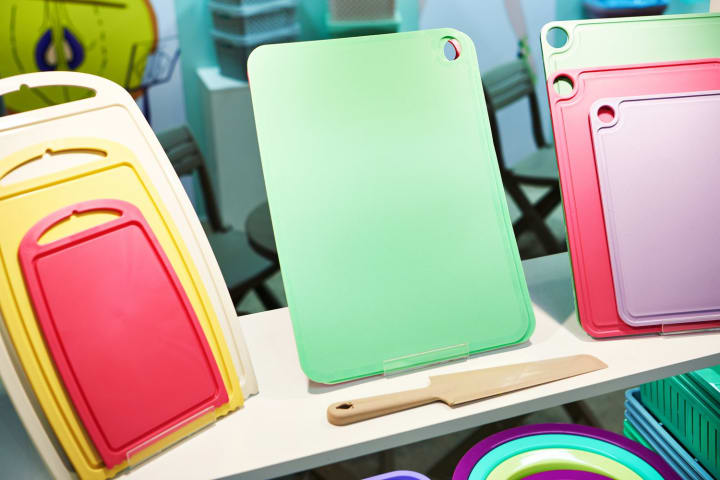
Yes, plastic cutting boards can be safe—but only under certain conditions. When they’re new and properly cared for, their smooth, non-porous surface makes it harder for moisture and bacteria to penetrate compared to wood. That’s why many people see them as hygienic and easy to sanitize.
However, once the surface becomes worn, safety quickly declines. Deep knife grooves give bacteria like Salmonella or E. coli places to hide, even after a dishwasher cycle. Damaged boards may also shed tiny microplastic particles into your food, raising long-term health concerns.
The key is consistent care, cleaning, and timely replacement.
To keep them safe:
- Clean thoroughly after every use.
- Avoid letting deep scratches accumulate.
- Replace them once they show noticeable wear.
So, are plastic cutting boards safe forever? No. Their safety depends entirely on their condition and how often you replace them.
How to Keep Plastic Cutting Boards Safe

So, are plastic cutting boards safe if you care for them properly? Yes—but they require attention and upkeep. A clean, well-maintained board is far safer than one that’s scratched, discolored, or worn down. Follow these must-do rules to keep your kitchen safe and healthy:
Avoid Microplastic Contamination
Replace boards as soon as they show deep scratches or heavy wear. A smooth, intact surface is much less likely to shed microplastics into food.
Prevent Cross-Contamination
Dedicate different boards for raw meat, seafood, and produce. Color-coded options make this easier and reduce the risk of harmful bacteria transferring between foods.
Clean and Maintain Properly
Always wash with hot, soapy water right after use. If dishwasher-safe, run them through for thorough sanitization. Occasionally disinfect with a mild bleach solution to kill lingering microbes.
Proper care ensures plastic boards remain a safe tool in your kitchen.
Signs It’s Time to Replace Your Board
Plastic cutting boards don’t last forever, and knowing when to replace them is key to kitchen safety. Damaged surfaces can trap bacteria and even release microplastics into your food. Watch for these red flags:
- Deep Grooves: Cuts and scratches that can’t be cleaned properly are breeding grounds for bacteria.
- Persistent Odors or Discoloration: If smells or stains remain after washing, your board is no longer hygienic.
- Warping or Melting: Dishwasher heat can sometimes warp plastic, making the surface unsafe for use.
- Tubborn Stains: When scrubbing doesn’t restore the surface, it’s time to toss it.
So, are plastic cutting boards safe once they’re damaged? The clear answer is no—replace them promptly to keep your food prep clean and healthy.
Plastic vs. Stainless Steel Cutting Boards
Choosing between plastic and stainless steel cutting boards isn’t always simple. A quick comparison helps highlight their key differences:
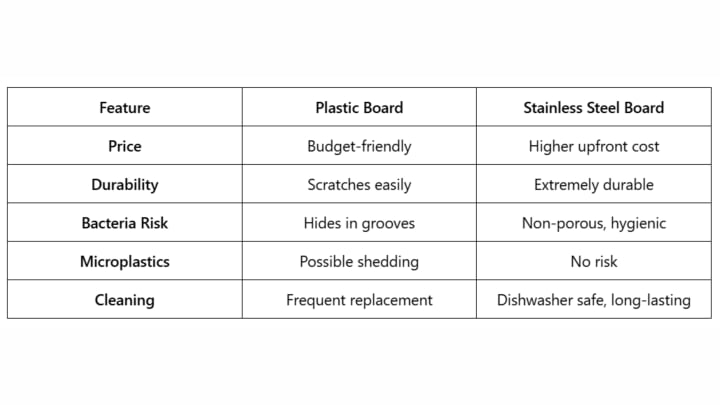
So, are plastic cutting boards safe compared to stainless steel? They’re adequate in the short term, but stainless steel is far more reliable in the long run.
Why Upgrade to ChopChop USA Stainless Steel Cutting Board

Instead of asking “Are plastic cutting boards safe?” every few months, many home cooks are switching to stainless steel options like the ChopChop USA Stainless Steel Cutting Board.
Here’s why:
- Built to Last – Unlike plastic, which can warp, crack, or break down after repeated dishwasher cycles, stainless steel holds its shape and strength for years. It’s a true one-time investment for your kitchen.
- Antibacterial Surface – Stainless steel is naturally non-porous. That means bacteria, mold, and food particles can’t seep in or hide, making it a safe, non toxic cutting board for your food prep.
- Easy to Clean – Plastic boards often stain or absorb odors, but stainless steel wipes clean in seconds. You can also toss it in the dishwasher without worrying about damage.
- No Microplastics – With plastic, tiny particles eventually flake off and can end up in your meals. Stainless steel never sheds, ensuring a cleaner cooking experience.
- Knife-Friendly – ChopChop USA designs its boards to balance durability with blade protection, so your knives stay sharper for longer.
- Odor & Stain Resistant – Strong smells like garlic and stains from beets or turmeric won’t stick around.
So, if you’ve ever wondered are plastic cutting boards safe in the long run, ChopChop USA delivers a smarter, healthier upgrade.
Final Thoughts: Are Plastic Cutting Boards Safe?
The bottom line: are plastic cutting boards safe? Yes, but only when cleaned thoroughly, used correctly, and replaced regularly. Over time, scratches, bacteria, and microplastics make them less safe for food prep.
For anyone serious about kitchen hygiene and long-term value, stainless steel cutting boards like ChopChop USA’s provide peace of mind, superior durability, and eco-friendliness.
So next time you chop veggies or slice meat, ask yourself: Is my board still safe—or is it time to upgrade?
FAQs
Are plastic cutting boards safe?
Yes, plastic cutting boards are safe if cleaned correctly and replaced when deep grooves, odors, or stains appear. Damaged surfaces can trap bacteria, making food prep less hygienic over time.
What’s the safest cutting board material?
Stainless steel and titanium are the safest options. Both materials are non-porous, highly durable, and naturally bacteria-resistant, giving you a clean, long-lasting, and hygienic surface for everyday cooking.
Can stainless steel cutting boards damage knives?
High-quality stainless steel cutting boards, like ChopChop USA, are specifically designed to be knife-friendly. They offer durability without unnecessary blade wear, ensuring your knives remain sharp while keeping your kitchen safe.
Are stainless steel cutting boards dishwasher safe?
Yes, stainless steel cutting boards can be placed in the dishwasher for thorough sanitization. They won’t warp, crack, or degrade like plastic, making them easy to maintain with minimal effort.
Is ChopChop USA legit?
Yes, ChopChop USA is a trusted brand recognized for premium stainless steel cutting boards. They combine food safety, modern design, and unmatched durability, offering both style and reliability in your kitchen.
About the Creator
Keep reading
More stories from Olivia Kim and writers in Lifehack and other communities.
Are Wooden Cutting Boards Safe? Full Kitchen Guide
Wooden cutting boards have long been a kitchen staple. Their natural charm, sturdiness, and warmth make them a favorite for chefs and home cooks alike. But many people wonder: are wooden cutting boards safe for everyday food preparation? From chopping raw meats to slicing fresh vegetables, these boards handle it all.
By Olivia Kim7 months ago in Lifehack
Federated AI Discovery Engine
The Federated AI Discovery Engine is a computational framework designed to support biomarker discovery, evaluation, and validation in distributed data settings, where patient-level data are housed across multiple Trusted Research Environments (TREs) and cannot be centralised. The system enables consistent analytical workflows to be executed across institutions and geographies while preserving local data governance, security, and regulatory constraints.
By James @ Kode5 days ago in Lifehack
A Historic Declaration
We the People of the Husbands of the United States of America, in Order to form a more perfect Union, and I mean you...with me...establish Justice, insure domestic Tranquility, provide for the common defence, promote the general Welfare, and secure the Blessings of Liberty to ourselves, after Puberty, do ordain and establish this Declaration of Co-Dependence.
By Gerard DiLeo5 days ago in Humans



Comments
There are no comments for this story
Be the first to respond and start the conversation.