
Are Wooden Cutting Boards Safe? Full Kitchen Guide
Everything You Need to Know About Wood Cutting Boards
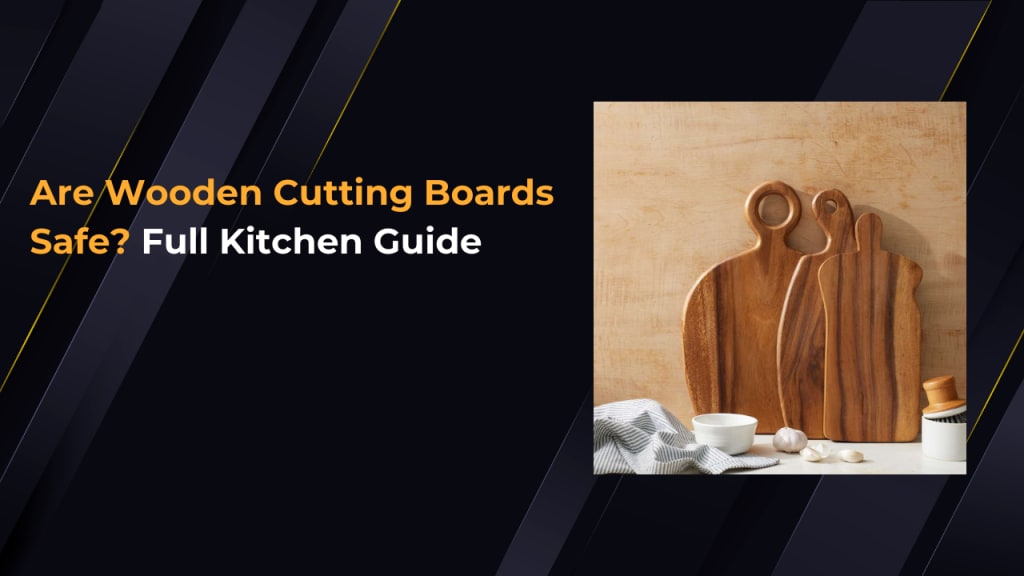
Wooden cutting boards have long been a kitchen staple. Their natural charm, sturdiness, and warmth make them a favorite for chefs and home cooks alike. But many people wonder: are wooden cutting boards safe for everyday food preparation? From chopping raw meats to slicing fresh vegetables, these boards handle it all.
In this guide, we’ll explore the safety, care, and potential alternatives to wooden cutting boards, helping you make the best choice for your kitchen. We’ll also look at cleaning methods, maintenance tips, and modern materials that may offer improved hygiene.
Understanding Wooden Cutting Boards

A wooden cutting board is a kitchen essential crafted from hardwoods such as maple, walnut, teak, or acacia. These dense woods resist deep knife cuts and maintain a smooth surface over time. Their tight grain structure reduces moisture absorption, helping prevent warping and bacterial growth.
Despite these benefits, the question remains: are wooden cutting boards safe for preparing raw meat, fruits, and vegetables? The answer isn’t a simple yes or no—it depends on proper cleaning, storage, and maintenance. Beyond function, wooden boards also bring a natural aesthetic to your kitchen. Their warmth, texture, and craftsmanship make them visually appealing, but beauty should never outweigh hygiene.
Wood is also naturally forgiving for knives, providing a surface that is hard enough for cutting but soft enough to prevent dulling blades. This combination of function, durability, and style is why wooden boards remain a favorite in both professional and home kitchens.
Advantages of Wooden Cutting Boards
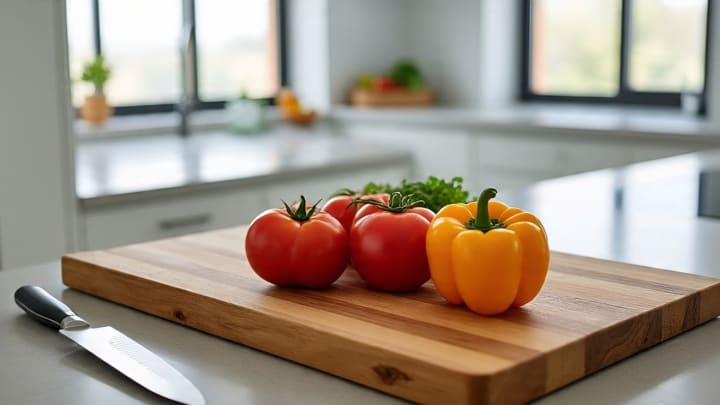
For those asking, are wooden cutting boards safe, there are several reasons they remain popular:
Gentle on Knives
Hardwood surfaces are forgiving on blades, keeping knives sharper longer. Unlike glass or metal boards, wooden boards give slightly under pressure, reducing edge damage. This can save you money on knife sharpening over time.
Durable and Long-Lasting
With proper care, a wooden cutting board can last years. Hardwoods withstand daily chopping better than many plastic or bamboo alternatives, making them a solid kitchen investment. Some high-quality boards can last over a decade if maintained correctly.
Naturally Antimicrobial
Certain hardwoods, like maple, have natural antimicrobial compounds. Research shows that these properties can reduce bacterial growth on the board’s surface, helping keep your kitchen safer compared to some softer, more porous materials.
Eco-Friendly and Renewable
Wooden boards are biodegradable and often sourced from sustainably harvested forests. Choosing wood supports an eco-conscious approach to kitchen tools and reduces plastic waste. They are considered one of the safest cutting board material options available.
Beautiful and Versatile
From prep work to serving cheese, bread, or charcuterie, a polished wooden board adds elegance to any table or counter. Its warmth and texture make it a favorite for both function and presentation, making it more than just a chopping surface—it’s also a serving tool.
Potential Drawbacks of Wooden Boards
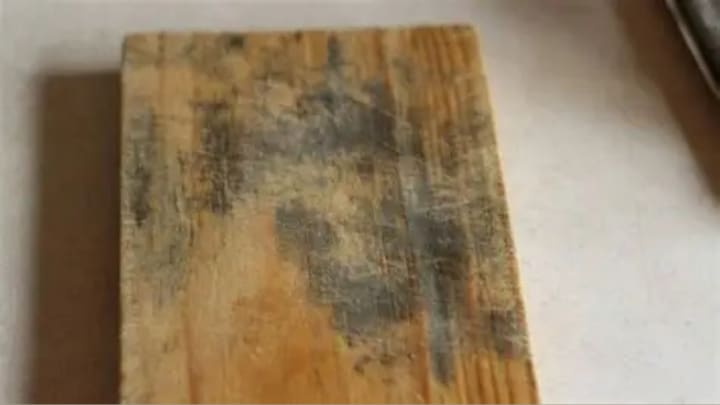
While many people ask, are wooden cutting boards safe, it’s important to be aware of their limitations:
Can Harbor Bacteria in Grooves
Knife cuts and scratches can trap food particles and bacteria. Without careful cleaning, these boards may become unsafe for raw meat or poultry preparation. Over time, deep grooves can create pockets that are difficult to sanitize fully.
Cross-Contamination Concerns
Using one board for both meats and vegetables increases the risk of cross-contamination. This can lead to foodborne illnesses if proper separation and cleaning are not observed. Color-coded boards or using separate boards for meat and produce is a recommended solution.
Requires Regular Maintenance
Wood needs routine oiling to prevent cracks, drying, and warping. Neglecting maintenance can shorten the board’s lifespan and compromise hygiene. Food-grade mineral oil is recommended, and some cooks also use beeswax or specialized cutting board conditioners.
Not Dishwasher Safe
Dishwashers expose wood to high heat and water, causing warping or splitting. Wooden boards must always be hand-washed and thoroughly dried.
Can Warp or Split Over Time
Even with care, wood is prone to gradual wear, cracks, and warping, especially in humid environments. Boards used frequently for heavy chopping may show signs of wear sooner. Regular monitoring helps prevent unsafe conditions.
Are Wooden Cutting Boards Safe?
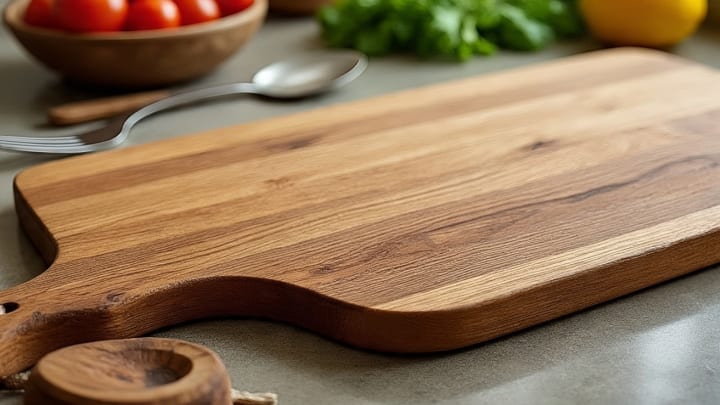
The key question—are wooden cutting boards safe—depends on their condition and how you maintain them. A well-maintained board can resist bacteria and last for years, while a worn board with deep cuts can harbor pathogens.
To keep a wooden board safe:
- Clean immediately after use.
- Dry completely before storing.
- Oil regularly with food-grade mineral oil.
- Avoid prolonged exposure to moisture.
When deep grooves, cracks, or persistent odors appear, it’s time to replace the board. Wooden boards can remain food-safe for years with proper care, but modern alternatives like stainless steel or titanium may offer easier cleaning and longer-lasting hygiene.
Tips for Maintaining Food Safety on Wooden Boards
If you’re questioning are wooden cutting boards safe, proper maintenance is essential. Follow these tips:
- Separate boards: Use different boards for raw meat and produce to prevent cross-contamination.
- Immediate cleaning: Wash with warm water and mild soap right after use.
- Thorough drying: Air-dry boards completely before storing.
- Avoid soaking or dishwasher use: Excess moisture can warp or crack the wood.
- Gentle disinfecting: Use vinegar or hydrogen peroxide for occasional sanitizing.
- Oiling: Apply food-grade mineral oil monthly to keep the wood nourished and prevent cracks.
Following these steps ensures your wooden board remains safe, hygienic, and functional for daily kitchen use. Using a non toxic cutting board helps protect your family from harmful chemicals while prepping meals.
When to Replace Your Wooden Cutting Board
Even the best wooden boards have a finite lifespan. Are wooden cutting boards safe long-term? Only if they are in good condition. Replace a board if:
- Deep grooves or knife scars trap food particles.
- Cracks or warping make the surface uneven.
- Persistent odors remain after cleaning.
- Mold appears that scrubbing can’t remove.
- Rough patches or splinters develop.
Boards used heavily in busy kitchens typically last 1–3 years. Monitoring wear and replacing when necessary ensures continued food safety and reduces the risk of contamination.
Cleaning Wooden Boards

Keeping your board hygienic is crucial. For those still asking, are wooden cutting boards safe, here’s a detailed cleaning routine:
Daily Cleaning
- Rinse immediately after use.
- Scrub with warm water and mild dish soap.
- Dry thoroughly with a towel.
- Optionally disinfect with vinegar or hydrogen peroxide.
- Oil monthly to maintain the surface and prevent drying.
Deep Cleaning
Sprinkle coarse salt over the board and scrub with a lemon half. This removes odors and surface stains naturally, without harsh chemicals.
Things to Avoid
Never put wooden boards in the dishwasher or soak them. Excess water causes swelling, cracking, and mold growth over time. Avoid bleach or harsh chemicals that can damage the wood or leave residues.
Modern Alternative: ChopChop USA Cutting Board
The ChopChop USA adds a modern twist to traditional kitchen tools with its durable, hygienic design.
ChopChop USA Titanium Cutting Board
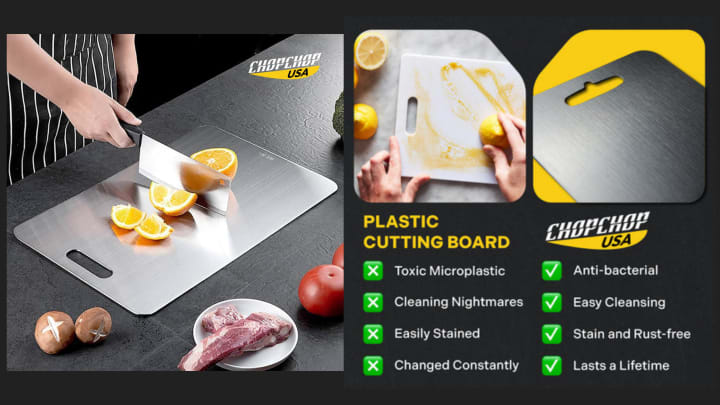
For those still wondering are wooden cutting boards safe, the ChopChop USA Titanium Cutting Board offers a sleek, durable alternative. Made from food-grade titanium, this board is non-porous, antibacterial, and resistant to cracks or warping. It provides a long-lasting, hygienic surface that is easy to clean and maintain, making it ideal for busy kitchens. The smooth titanium surface protects knives while resisting stains, odors, and bacteria—eliminating many of the concerns associated with wooden boards.
Key Features
- Durable titanium surface
- Non-porous and antibacterial
- Knife-friendly, protecting blades from dulling
- Easy to clean and low maintenance
- Eco-conscious and toxin-free
This single-material titanium board is perfect for cooks who want simplicity, durability, and long-term hygiene without worrying about oiling or deep cuts.
ChopChop USA Double-Sided Titanium Cutting Board

For those still uncertain about are wooden cutting boards safe, there are now modern options. The ChopChop USA Double-Sided Titanium Cutting Board combines durability, hygiene, and ease of use.
Key Features
- Dual-Sided Design: Titanium side for meats, wheat fiber side for vegetables or bread.
- Durable Titanium: Resists cracking, warping, and scratches, lasting over a decade.
- Non-Porous & Antibacterial: Easy to sanitize, won’t absorb odors or bacteria.
- Eco-Friendly Materials: Food-grade titanium and biodegradable wheat fiber.
- Knife-Friendly & Dishwasher Safe: Protects blades while simplifying cleaning.
- Cost-Effective: Eliminates the need for frequent replacement of warped or worn boards.
This board delivers long-lasting safety and convenience, addressing many of the concerns that come with wooden cutting boards.
Conclusion
So, are wooden cutting boards safe? Yes—when cleaned, dried, and oiled properly. Deep cuts, cracks, or mold make them unsafe, so regular monitoring and occasional replacement are key.
For a low-maintenance, ultra-durable solution, consider titanium boards like ChopChop USA Cutting Boards. They resist bacteria, don’t warp, and simplify kitchen hygiene, offering a smarter choice for busy, health-conscious cooks.
FAQs
Are wooden cutting boards safe to use?
Yes, wooden cutting boards are safe when cleaned thoroughly after each use, dried completely, and regularly oiled. Replace them if cracks, deep grooves, or persistent odors appear to maintain hygiene.
Do wooden boards get moldy?
Wooden boards can develop mold if left wet or used without proper cleaning. Moisture and trapped food particles encourage growth, so drying thoroughly and routine maintenance are essential to prevent mold.
Are all wooden cutting boards non-toxic?
Most wooden boards are non-toxic, but ensure they’re treated with food-safe oils. Avoid boards with chemical sealants or finishes, which may leach harmful substances into food during use.
Are titanium cutting boards safe?
Titanium cutting boards are extremely safe. Their non-porous surface resists bacteria, they do not absorb odors or liquids, and they are highly durable, making them ideal for long-term, hygienic food prep.
Can titanium boards go in the dishwasher?
Yes. Unlike wooden boards, titanium boards can safely go in the dishwasher without warping, cracking, or losing their finish. They are low-maintenance, hygienic, and convenient for busy kitchens.
About the Creator
Keep reading
More stories from Olivia Kim and writers in Lifehack and other communities.
Why Choose an Antibacterial Cutting Board?
Food safety starts in the kitchen, and one of the easiest ways to protect your family is by using an antibacterial cutting board. Unlike traditional wooden or low-quality plastic boards, these options resist bacterial growth, prevent cross-contamination, and make meal preparation safer.
By Olivia Kim7 months ago in Lifehack
Don’t Feel at Home in Your Own Home? Interiors Expert Reveals Subtle Design Shifts That Instantly Elevate Your Space
Our homes are meant to be the place we love the most – yet many people feel disconnected from them. Approximately 36% of UK homeowners reported being unhappy with their current housing situation in 2025.
By Millie Bradbury4 days ago in Lifehack




Comments
There are no comments for this story
Be the first to respond and start the conversation.