
Android Auto Update Hints at Navigation with ‘Glasses’: A Glimpse into the Future of Driving
Android Auto Update Hints at Navigation with ‘Glasses’:

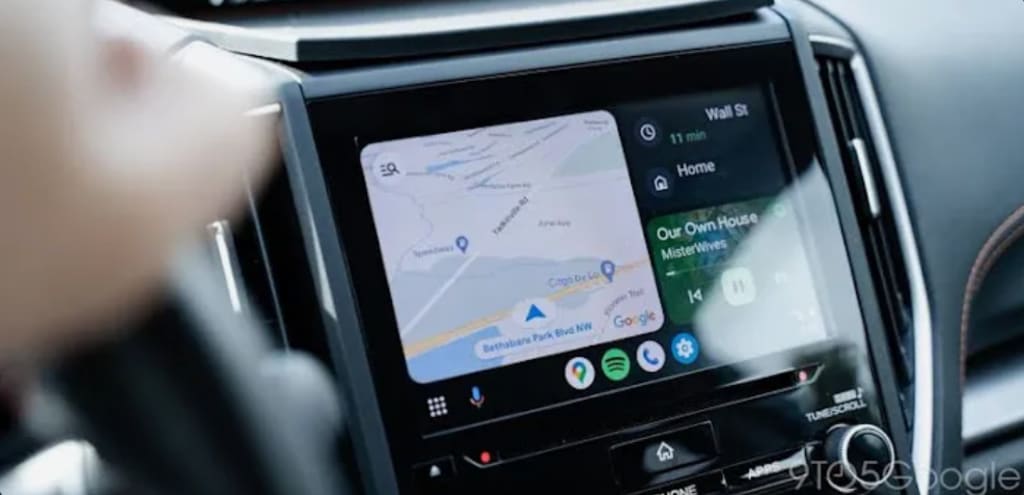
The "Glasses" of Navigation in the Android Auto Update: A Look at the Future of Driving A recent Android Auto update has hinted at a futuristic feature that could revolutionize how we navigate while driving: integration with smart glasses. This was a surprising but exciting move. This development, though still under wraps, could mark a significant step forward in blending augmented reality (AR) with real-world navigation, promising a safer, more intuitive, and high-tech driving experience.
The Evolution of Android Auto
Since its introduction in 2015, Android Auto has come a long way. What started out as a simple way to bring a smartphone-like interface to car dashboards has grown into a powerful platform that prioritizes driver safety while providing seamless app access, real-time navigation, communication, and media control. Google has worked on enhancing the user interface, enhancing voice control with Google Assistant, and expanding device and vehicle compatibility with each update. However, Google may be preparing to extend Android Auto beyond the dashboard and onto the driver's face, according to code references in the most recent update. hints pointing to the integration of smart glasses After developers and tech bloggers discovered references to "Glasses Navigation" in the code for the most recent Android Auto update, the technology community went crazy. Even though Google hasn't said anything, these code strings strongly suggest that the company is experimenting with smart glasses as a navigation interface or at least laying the groundwork for it. These references could indicate a vision where navigation directions are projected directly into a driver’s field of vision through smart glasses, eliminating the need to glance at a dashboard screen or smartphone. Not only would this provide a driving experience that is more immersive, but it would also reduce distraction, which is a major cause of road accidents. Roadside Augmented Reality Smart glasses integrated with AR have been a hot topic in tech for several years, with companies like Meta, Apple, and Xiaomi joining the race. However, none have yet managed to make AR glasses mainstream — largely due to limitations in battery life, design, cost, and software integration. Google, which was one of the pioneers in this space with Google Glass, has stayed relatively quiet in recent years, but this update suggests the company is far from done.
If Android Auto does move in this direction, it could pave the way for glasses that not only show turn-by-turn navigation but also highlight real-world landmarks, alert drivers to hazards, identify traffic signs, or even show real-time parking availability. Driving could become a semi-automated, intelligent experience when augmented reality and artificial intelligence are combined. Benefits and Challenges
Benefits:
Safety first: Smart glasses can reduce the need for drivers to look away from the road by projecting information directly into their line of sight. Hands-Free Control: Google Assistant's integration with voice commands can make driving easier and less distracting. Enhanced Navigation: augmented reality (AR) can offer more comprehensible visual cues, such as lane guidance or arrows that appear above the road. Accessibility: Drivers with certain disabilities could benefit from better situational awareness and assistance tools.
Challenges:
Privacy and Security: AR glasses raise new concerns about data collection, recording, and user privacy.
Driver Distraction: If not carefully designed, overlaying too much information might cause more trouble than it solves. Adoption Rate: Consumers may be hesitant to adopt yet another wearable tech device, especially if it’s expensive or bulky.
Regulation: Road safety laws and regulations around wearable tech while driving may need to evolve to accommodate this innovation.
The Implications for the Future This development could be a precursor to a larger ecosystem where your car, phone, and wearables work together seamlessly. It also aligns with Google's broader vision of ubiquitous computing — where technology blends into our daily lives without being obtrusive.
While we're likely still a few years away from widespread adoption of AR navigation through glasses, the very fact that Android Auto is being prepared for this possibility is telling. It signals that Google sees a future where driving isn’t just smarter — it's more immersive, efficient, and connected.
Conclusion
The potential integration of smart glasses with Android Auto is more than just a tech gimmick — it's a glimpse into the next evolution of user experience behind the wheel. As AR technology matures and becomes more practical, we might soon find ourselves navigating not through screens, but through a transparent, dynamic world layered with helpful information. Whether this feature rolls out in the next year or a bit further down the line, one thing is clear: the way we drive is on the cusp of a major transformation.
About the Creator
GLOBAL NEWS
World News Updated
Short News upload
Technology News
Keep reading
More stories from GLOBAL NEWS and writers in Lifehack and other communities.
iOS 26 adds new Liquid Glass icons — here's how to transform your iPhone homescreen
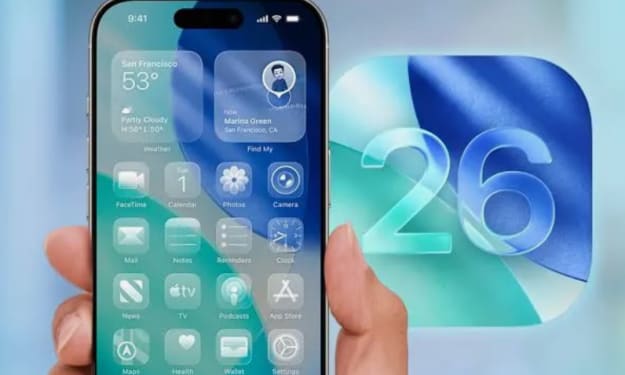
**iOS 26 Adds New Liquid Glass Icons — Here's How to Transform Your iPhone Home Screen** Apple has always taken pride in its design philosophy, and with iOS 26, it's taken aesthetics to a whole new level. "Liquid Glass Icons," a visually striking and fluid reimagining of app icons that blends style and substance, is a design change introduced in the most recent iPhone update. This update is a dream come true for anyone who enjoys a sleek, futuristic home screen. The design of Liquid Glass is more than just a minor update. These icons look like molten glass that has been molded into beautiful, minimalistic shapes and feature depth, light play, and semi-transparency. It is a significant departure from iOS 7's flat icon design, combining contemporary elegance with a subtle 3D effect. The outcome? A more immersive, tactile experience that feels alive under your fingertips.
By GLOBAL NEWS6 months ago in Lifehack
Why Smartphones in 2026 Will Feel Very Different From the Ones You Use Today
The top phones from 2024 and 2025 don't appear that different when you put them next to each other. The displays are a little brighter. The cameras are a bit clearer. The CPUs are a little speedier. But in real life, things haven't altered much. You still swipe. You still tap. You still plug in your phone every night. You still care about battery life.
By abualyaanart4 days ago in Lifehack
5 Essential Daily Habits for a Healthier and More Productive Life in 2026
In the fast-paced world of 2026, where digital distractions and high-stress environments are common, maintaining a healthy and productive lifestyle has become more important than ever. Many of us strive for success, but we often forget that true success starts with a healthy body and a clear mind. You do not need to make massive changes overnight to see results. Instead, focusing on small, consistent daily habits can create a significant positive impact over time.
By MD. Rahmat Ullah5 days ago in Lifehack


Comments
There are no comments for this story
Be the first to respond and start the conversation.