
An Expert Pressure Washing Service Can Revitalize and Protect Your Property
Selecting the Ideal Pressure Washing Service: The Best Techniques for Cleaning Exterior Surfaces
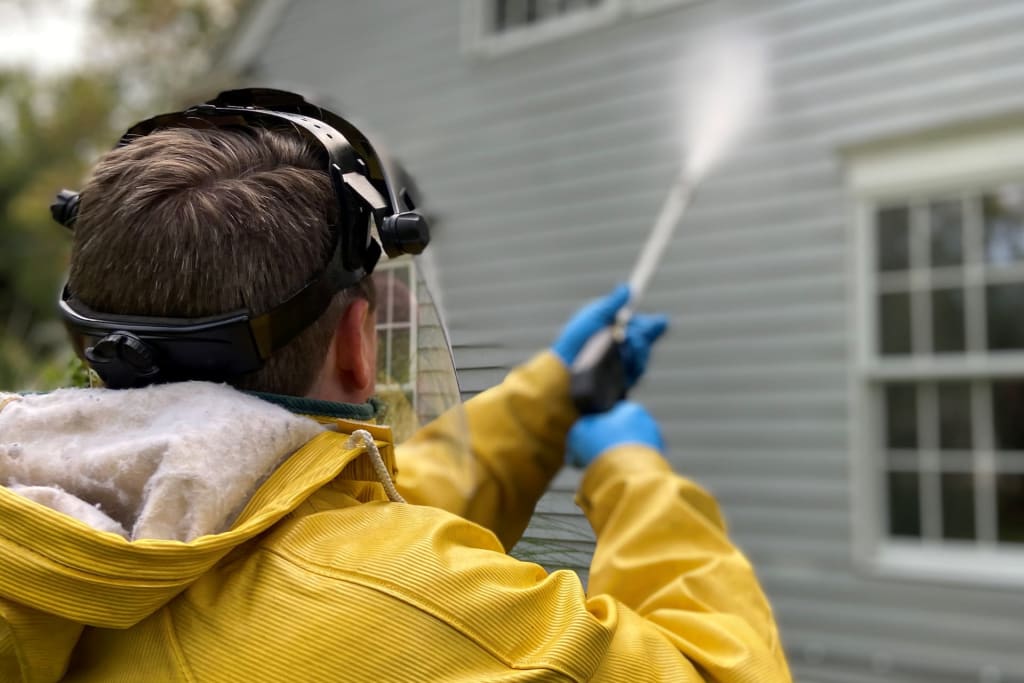
Keeping outdoor surfaces free of dirt and grime requires more than just a quick rinse with a garden hose. Many homeowners and business owners struggle to decide whether pressure washing or soft washing is the right choice for their cleaning needs. Each method has distinct advantages—pressure washing removes stubborn debris with sheer force, while soft washing applies a gentle spray infused with cleaning solutions to break down organic buildup. A pressure washing service will select the correct approach to extend the lifespan of surfaces and help prevent costly damage.
Key Differences Between Pressure Washing and Soft Washing
Both techniques aim to eliminate dirt, mold, and stains, but they work in very different ways. Many property owners have learned the hard way that improper use of high-pressure water can damage delicate materials. For instance, one homeowner attempted to clean their wooden deck with a powerful water jet, only to strip away the protective paint and create deep cracks. Switching to soft washing allowed them to preserve the deck’s finish while achieving a thorough clean.
Each technique serves a specific purpose:
- Pressure washing works best for tough surfaces like driveways, stone walkways, and brick walls.
- Soft washing is ideal for fragile materials, including stucco, asphalt shingles, and painted siding.
- Using the right method enhances curb appeal while maintaining the integrity of your property.
How Pressure Washing Works and When to Use It
Pressure washing uses a concentrated stream of water to blast away grime, mold, and stains. Professional-grade equipment can generate up to 4,000 PSI, making this method ideal for tackling heavy buildup on:
- Oil-stained driveways and grease-covered patios.
- Weathered fences and retaining walls coated in dirt.
- Brick or stone exteriors suffering from mildew growth.
While pressure washing is highly effective, improper use can lead to surface deterioration, water damage, or even personal injury. Professional technicians understand how to regulate pressure levels and select appropriate nozzles to protect your property.
Why Soft Washing Provides a Safer Alternative for Certain Surfaces
Soft washing uses biodegradable solutions to dissolve contaminants before rinsing them away with a low-pressure water flow. This method is especially beneficial for:
- Roof shingles prone to moss and algae buildup.
- Vinyl siding that can warp or discolor under excessive pressure.
- Solar panels and glass windows that require a delicate touch.
Mold and mildew not only degrade surfaces but also contribute to poor indoor air quality. Regular soft washing keeps exterior materials intact while promoting a healthier environment.
Choosing the Right Cleaning Approach
Surface type and contamination level determine whether pressure washing or soft washing is the best option. Stubborn stains embedded in concrete or stone often require high-pressure cleaning, whereas organic growth on wood or siding responds better to soft washing treatments.
Common applications include:
- Pressure washing to restore color to faded concrete patios and pool decks.
- Soft washing to eliminate mold streaks on wooden porches and outdoor furniture.
- Hybrid cleaning approaches to maintain multi-surface properties efficiently.
Pairing the correct method with each surface enhances its durability and appearance.
Why Professional Services Deliver Superior Results
Trained technicians bring experience, advanced equipment, and specialized cleaning solutions that outperform DIY efforts. Hiring professionals ensures a safer, more effective cleaning process with several key advantages:
- Access to industrial-grade equipment for deeper and longer-lasting cleanliness.
- Use of eco-friendly treatments that prevent the return of mold and algae.
- Compliance with environmental and safety regulations to protect your property.
Pressure washers operating at high force can cause injuries or structural damage when misused. Professionals know how to adjust water pressure and choose appropriate cleaning agents to prevent harm.
Common Pitfalls of DIY Pressure Washing
Many property owners attempt exterior cleaning on their own but often make critical mistakes. Some of the most common errors include:
- Applying too much pressure to wooden decks, leading to splintering and erosion.
- Using the wrong chemical mixtures, which strip away protective coatings or discolor paint.
- Neglecting to rinse thoroughly, leaving behind a sticky residue that attracts more dirt.
Avoiding these pitfalls prevents unnecessary damage and extends the life of exterior surfaces.
Final Thoughts on Exterior Cleaning Methods
Understanding the difference between pressure washing and soft washing allows homeowners and businesses to make informed decisions about property maintenance. While pressure washing excels at removing tough stains, soft washing offers a safer solution for delicate materials. Choosing the right technique not only improves curb appeal but also helps surfaces withstand the elements for years to come.
Frequently Asked Questions About Pressure Washing Services
1. Can soft washing remove oil or grease stains as effectively as pressure washing?
Soft washing works well on organic stains like mold and algae but is less effective for deep-set grease or oil stains, which require the power of pressure washing.
2. How often should exterior surfaces be cleaned?
Climate and surface type impact cleaning frequency. Driveways and walkways typically benefit from annual pressure washing, while roofs and siding should be soft washed every 12 to 24 months.
3. Is soft washing safe for all outdoor materials?
Soft washing is gentle enough for most surfaces, including stucco, vinyl siding, and asphalt shingles. However, using the correct cleaning solutions is crucial to avoid unwanted damage.
4. Does pressure washing contribute to environmental pollution?
If not performed correctly, pressure washing can lead to runoff pollution. Professional services use eco-conscious methods to minimize environmental impact.
5. Can a combination of both cleaning techniques be used?
Yes, many properties require both methods for optimal results. Professionals assess each surface and customize their approach accordingly.
Investing in the right exterior cleaning technique protects your property’s structure and enhances its overall aesthetic. Whether using pressure washing for tough stains or soft washing for gentle maintenance, choosing the correct method ensures lasting cleanliness and preservation.
About the Creator
Keep reading
More stories from Piper Burch and writers in Lifehack and other communities.
Hiring an Experienced General Contractor Prevents Expensive DIY Blunders
Tackling a DIY home improvement project may seem thrilling, particularly when considering the potential cost savings. Many homeowners, however, quickly realize the process is far more challenging than anticipated. Unforeseen complications frequently arise, escalating expenses and increasing stress levels. An experienced general contractor possesses the skills and knowledge necessary to manage complex renovation projects, protecting homeowners from costly and time-consuming errors.
By Piper Burchabout a year ago in Lifehack
I Learned How to “Read” a Book in Just One Hour—And Still Remember Everything
For years, I believed reading a book properly meant going through every single page, line by line, without skipping anything. It felt like a rule you weren’t allowed to break. If you skipped parts, you weren’t really reading—you were cheating.
By Lukáš Hrdlička8 days ago in Lifehack
10 Simple Habits for Strong Teeth and Healthy Gums
Maintaining good oral health is essential not only for a bright smile but also for overall well-being. Your mouth is the gateway to your body, and poor oral hygiene can lead to various health problems such as gum disease, tooth decay, and even infections that may affect other parts of the body. Fortunately, taking care of your teeth and gums does not require complicated routines. With a few simple daily habits, you can keep your mouth healthy for years.
By Nenci Gajera a day ago in Lifehack
"Scream 7" (2026): Running out of Fresh Screams
This is the seventh time we’ve had a Ghostface crisis. Scream 7 is the latest edition of the Scream franchise. Sydney Prescott and her family are under attack by another anonymous killer dressed in a Ghostface costume. While having issues with her daughter, Tatum, they run from the bloody murders, trying to determine who is behind it all.
By Marielle Sabbag5 days ago in Horror



Comments
There are no comments for this story
Be the first to respond and start the conversation.