
Hiring an Experienced General Contractor Prevents Expensive DIY Blunders
Steer Clear of Home Renovation Mistakes with Professional Guidance from a General Contractor
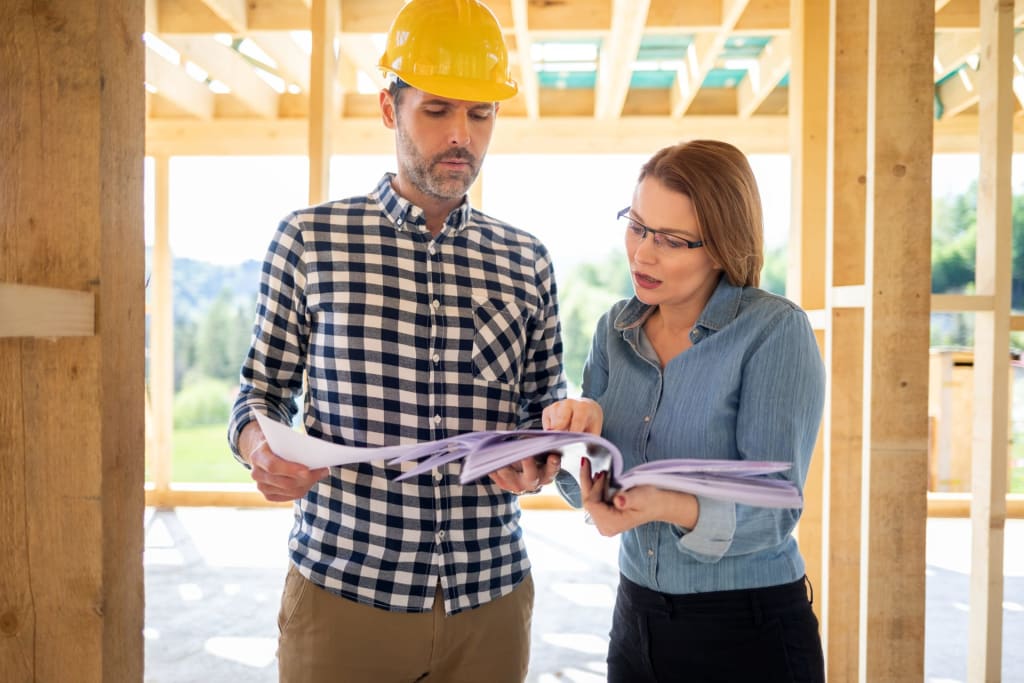
Tackling a DIY home improvement project may seem thrilling, particularly when considering the potential cost savings. Many homeowners, however, quickly realize the process is far more challenging than anticipated. Unforeseen complications frequently arise, escalating expenses and increasing stress levels. An experienced general contractor possesses the skills and knowledge necessary to manage complex renovation projects, protecting homeowners from costly and time-consuming errors.
Common Pitfalls That Derail DIY Home Renovations
DIY projects, although rewarding, often spiral into chaos due to unexpected complications. Many homeowners miscalculate the scope of work or lack the technical expertise required to execute tasks correctly. Others purchase subpar materials or overlook essential structural elements, which can lead to serious problems down the road. These blunders can be both financially draining and hazardous. Research from the National Association of Home Builders reveals that poorly executed home improvements frequently result in significant repair costs, particularly when structural integrity is compromised.
- Insufficient expertise leads to misjudgments and construction errors.
- Low-quality materials increase the likelihood of premature failures.
- Poor structural planning can jeopardize long-term safety.
How a General Contractor Saves Time and Controls Expenses
The assumed cost-effectiveness of DIY renovations often attracts homeowners. When accounting for potential setbacks, hiring a general contractor proves to be the more economical decision. Seasoned contractors optimize efficiency by adhering to structured timelines and ensuring that subcontractors follow schedules. Additionally, their industry relationships allow them to obtain premium materials at significantly lower costs than individual homeowners could secure.
- Minimizes delays and eliminates unnecessary expenses.
- Provides access to superior materials at discounted rates.
- Manages subcontractor logistics with precision.
How General Contractors Protect Against Structural and Safety Hazards
Renovation mistakes can lead to severe safety risks and structural instability. Building codes and regulations are designed to ensure structural integrity, yet DIY enthusiasts often misinterpret or overlook these requirements. A knowledgeable general contractor fully understands compliance regulations and implements them throughout each project phase. This approach prevents expensive corrections in the future while ensuring that work meets building inspection standards, safeguarding the property’s value.
- Guarantees adherence to essential safety codes.
- Ensures structural stability and durability.
- Eliminates expensive rework caused by failed inspections.
How a General Contractor Handles Permits and Coordinates Subcontractors
Overseeing multiple subcontractors—including electricians, plumbers, and carpenters—demands a level of coordination that can overwhelm an inexperienced homeowner. Additionally, securing the proper permits and passing inspections often proves to be an exhausting ordeal. General contractors effectively manage these administrative tasks, keeping projects compliant with local building regulations and avoiding unnecessary roadblocks. Their expertise also reduces the likelihood of legal and financial setbacks for homeowners.
- Oversees subcontractor schedules and workflow.
- Secures required permits and coordinates inspections.
- Shields homeowners from potential legal liabilities.
Why DIY Renovations Can Decrease Home Value
Not all renovations add value to a property. Poor craftsmanship and unauthorized modifications can make a home less attractive to potential buyers. A skilled general contractor ensures that all improvements meet professional standards, enhancing both the aesthetics and marketability of the property. High-quality renovations, such as a properly executed kitchen remodel, not only boost visual appeal but also comply with regulatory requirements, increasing resale potential.
- Professionally executed renovations enhance market value.
- Inadequate DIY projects reduce buyer interest and resale appeal.
- Code-compliant upgrades provide a competitive advantage.
Why Professional Tools and Skills Matter in Home Remodeling
Attempting major renovations without the right equipment and expertise often results in subpar workmanship and repeated attempts to fix mistakes. General contractors bring specialized skills and industry-grade tools, ensuring precision and efficiency. When DIY work requires multiple corrections, costs surge due to wasted materials and prolonged labor. Hiring a professional eliminates this risk and ensures high-quality craftsmanship from the start.
- Industry-grade tools allow for precise execution.
- Expert techniques prevent costly errors and project delays.
- Well-executed improvements contribute to long-term durability.
How a General Contractor Provides Warranties and Legal Protections
One of the greatest advantages of hiring a general contractor is the security provided through warranties and legally binding contracts. If any defects or issues arise due to workmanship, a contractor’s warranty covers the necessary repairs, preventing homeowners from bearing the financial burden. Additionally, clearly defined contracts protect both parties, ensuring transparency and accountability throughout the project.
- Workmanship warranties safeguard against future repairs.
- Legal agreements establish clear project expectations.
- Reduces homeowner liability for construction-related issues.
Critical Considerations When Selecting a General Contractor
Hiring a knowledgeable general contractor is one of the most effective ways to protect a home improvement investment. Their expertise, connections, and commitment to quality ensure a smoother, stress-free renovation experience. While DIY projects may work for minor repairs, larger remodeling endeavors require the oversight and precision that only a skilled professional can provide.
Key Insights on Choosing an Experienced General Contractor
- Avoid costly project errors and unexpected delays.
- Ensure compliance with essential safety regulations and construction codes.
- Gain access to premium materials and professional workmanship.
Frequently Asked Questions About General Contractors
What are the typical expenses associated with hiring a general contractor?
General contractor fees usually range between 10-20% of the total project cost, depending on the complexity and location.
How can I confirm a general contractor’s credentials?
Research licensing authorities, request proof of insurance, read verified client reviews, and obtain references from past projects.
Can a general contractor assist with the design process?
While not all contractors specialize in design, many collaborate with architects and provide valuable input regarding structural feasibility.
What elements should be included in a contract with a general contractor?
A well-drafted contract should outline the project scope, estimated timeline, payment terms, materials, and warranty provisions.
How do general contractors manage unforeseen project challenges?
Change orders document any necessary modifications, including revised costs and extended timelines when unexpected issues arise.
About the Creator
Keep reading
More stories from Piper Burch and writers in Lifehack and other communities.
Trending Ideas in Home Remodeling General Contractors Recommend
Home remodeling has shifted beyond simple updates, focusing instead on transforming homes into adaptable and visually appealing environments. General contractors play a critical role in helping homeowners incorporate trends that enhance practicality and charm. From cutting-edge layouts to eco-conscious choices, these upgrades reflect how lifestyles are evolving. This guide explores the most impactful remodeling trends general contractors encourage and why these ideas remain essential.
By Piper Burchabout a year ago in Lifehack
Who is your "Person"?
It's important to recognize that you cannot go through life as easily on your own. My name is Elizabeth and I'm a survivor of child abuse and horrific trauma. Healing from trauma is not a quick fix and recognizing that it will take time, is part of the struggle.
By Elizabeth Woods4 days ago in Psyche




Comments
There are no comments for this story
Be the first to respond and start the conversation.