
Always Rushing to the Bathroom vs. Barely Going All Day — Which Is Healthier?
What is your frequency of urination

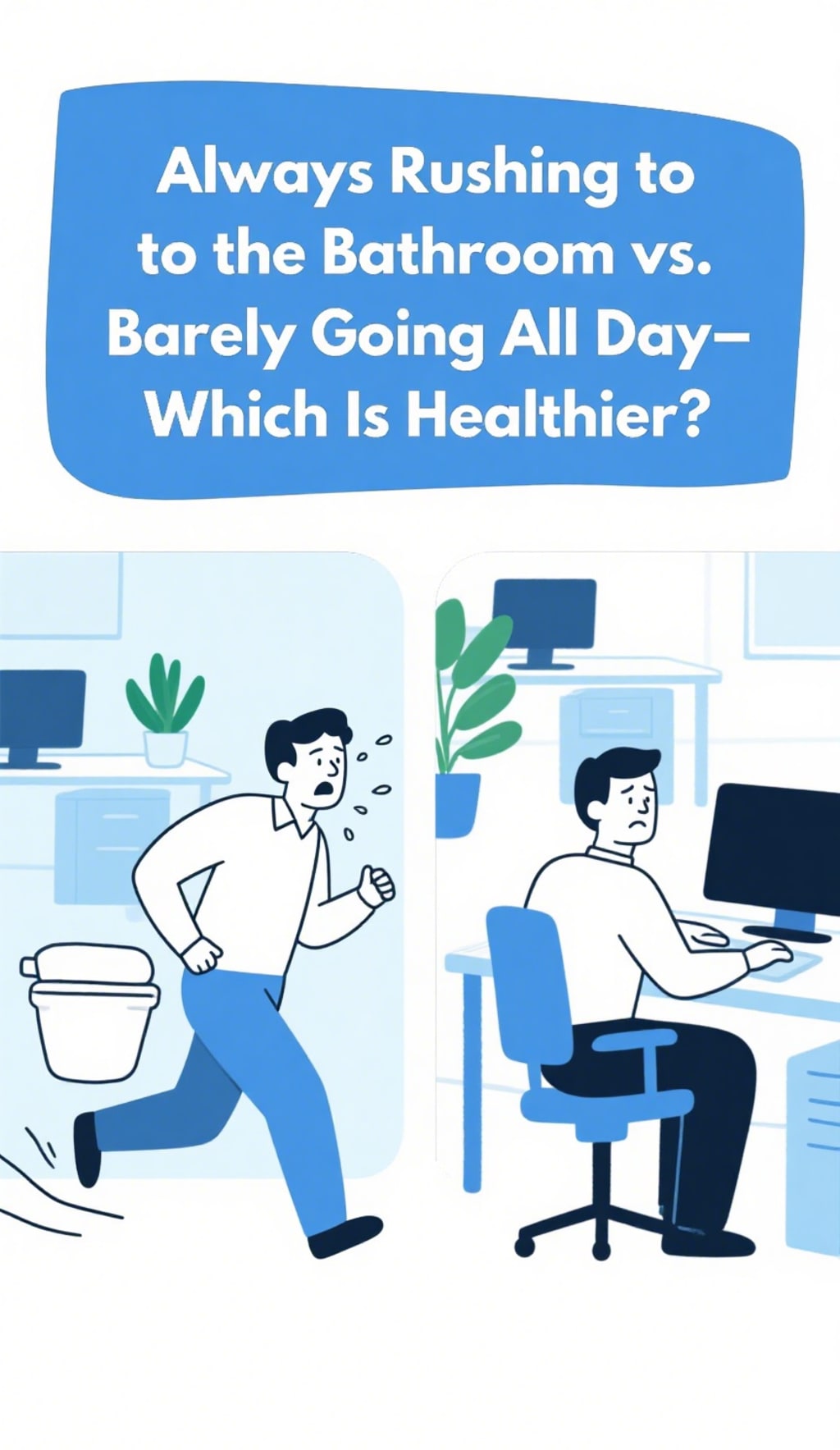
In daily life, you may notice a peculiar difference: some people seem to run to the bathroom every time they take a sip of water, while others can go half a day without urinating once. These vastly different urination patterns often raise questions. Does frequent urination mean your metabolism is more efficient? Is infrequent urination normal, or a cause for concern?
Let’s break it down.
Bladder Capacity: Not Just About Size
The average adult bladder holds about 300–500 mL of urine. However, how much you actually store comfortably varies due to several factors.
Think of bladder compliance like a rubber band’s elasticity. A bladder with high compliance can stretch to 500 mL without discomfort, while one with poor compliance may trigger an urgent need to urinate at just 200 mL. This explains why some people can “store” urine for hours, while others feel the need to empty their bladder frequently.
What Affects Urination Patterns?
Hormonal Regulation: Antidiuretic hormone (ADH) acts like a water valve, reducing nighttime urine output to about 30–40% of daily volume. People with diabetes insipidus, who lack or are insensitive to ADH, may produce over 4,000 mL of urine in 24 hours.
Environmental Factors: In hot weather, 60–70% of water is lost through sweat, naturally reducing urine volume. In contrast, cold conditions cause blood vessels to constrict, increasing urination frequency by 20–30%.
Dietary Influences: Caffeine may increase urine output by 50% temporarily, and alcohol, by suppressing ADH, acts as a diuretic. High-salt diets encourage fluid retention, reducing urine production.
Frequent Urination vs. Infrequent Urination: Which Is Healthier?
Bladder function, hormones, environment — all play roles in your urination habits. But a sudden change in urination patterns may be your body waving a red flag.
What Could Be Causing Frequent Urination?
Urinary Tract Infections (UTIs), such as cystitis or prostatitis, often irritate the bladder lining, causing it to become overly sensitive. Even a small amount of urine can trigger a strong urge to go. These infections are often accompanied by urgency, burning pain, or lower abdominal discomfort.
Endocrine Disorders: High blood sugar levels in diabetics increase urine volume due to osmotic diuresis. People with diabetes insipidus experience excessive thirst and urination due to lack of ADH or poor kidney response to it.
🟡 Natural Relief for Urinary Tract Infections
For those dealing with chronic or recurrent UTIs, Traditional Chinese Medicine offers a promising remedy. The Diuretic and Anti-inflammatory Pill is a patented herbal formula designed to clear heat, eliminate dampness, and relieve inflammation in the urinary system. It is commonly used to treat conditions such as chronic cystitis, prostatitis, and urethritis. Unlike antibiotics, it doesn’t lead to resistance or disrupt the body’s microbiota — making it a safer, long-term option for those with stubborn urinary issues.
When to Worry About Low Urine Output?
If you're drinking enough fluids but rarely feel the urge to urinate, it could be a sign of something more serious, such as acute kidney injury, which reduces the kidneys’ filtering capacity and results in little to no urine. Seek medical attention if this occurs.
Smart Hydration Supports Healthy Urination
For most healthy adults, drinking 200 mL of water every 1–2 hours during the day helps balance hydration and supports regular bladder function, while minimizing nighttime bathroom trips. But avoid these common mistakes that may increase urination:
Don’t drink large amounts of water within two hours of bedtime.
Avoid caffeine and alcohol in the evening — both act as natural diuretics.
Urination: A Small Habit, A Big Health Signal
Urination might seem like a minor daily routine, but it’s actually a key indicator of your health. Whether you go too often or not enough, both patterns can point to underlying issues that deserve attention.
So, are you a member of the "frequent pee club" or the "hold-it-all-day gang"? Have you ever felt frustrated by your urination habits?
Understanding your body's signals is the first step toward better urological health — and sometimes, nature-based treatments like the Diuretic and Anti-inflammatory Pill can make all the difference.
About the Creator
Health For You
Health For You! haring simple, practical wellness tips to help you thrive. Making health approachable, one story at a time!
Keep reading
More stories from Health For You and writers in Lifehack and other communities.
Can Great Sex Help You Live Longer? Here's What Science—and Tradition—Say
By the time Jacob turned 50, he had started paying more attention to his health—more veggies, less beer, a gym membership he actually used. But what really caught his attention was something far more surprising: his doctor casually mentioned that a healthy sex life might just be one of the most underrated longevity tools.
By Health For You8 months ago in Lifehack
How to Keep a Garage Warm in the Winter and Protect Valuable Tools
Cold garages create real damage. Tools break down faster, and finishes don't last. Winter doesn't have to put your garage out of action, but it definitely will if you let heat slip away and ignore moisture.
By Ryan Simonson2 days ago in Lifehack



Comments
There are no comments for this story
Be the first to respond and start the conversation.