
Alternative Housing & Lifestyle Options for the Coming Economic Collapse
Vanlife, geoarbitrage, digital nomading, narrowboating, sailing, buying the farm, couchsurfing, and McCandlessing It!

Now that the SHIT has hit the fan, WTF are we going to do to survive?
Wait, what? Yes, the proverbial shite has hit the fan all over the world. The media just isn’t admitting it. The governments of the world are doing their best to limit how much we know about it.
It’s now a reality that housing is completely unaffordable for the majority of people in the world, especially in what used to be seen as the most prosperous bastions of wealth, freedom, and democracy.
All that was bullshit, but hey, most people bought the lies and many still do. But let’s focus on the lucky few people who are reading this right now.
If you’re reading this, you’re one of the fortunate folks who might have a chance to make it through the difficulties that are coming soon, or may already be here depending on where you are.
Let’s get something straight right away…
Most people are fucked!
But for some, you might be able to eek out a living and survive the struggle that we’re all forced to endure over the course of the next 10–20 years.
The lifestyles of most western countries will be upended and fall into chaos because of all sorts of reasons. The media will lie and the government will misinform the public about it all. But the truth is our unsustainable unfettered economic systems have been undermining everything everywhere.
Many in power who had influence and could have done something decades ago — didn’t. They focused on isolating themselves, preparing for their disconnection from the rest of us, and setting themselves up in the best ways they knew possible to protect their interests from the negative effects of what they have done.
The rest of us are going to have to find ways to survive on our own. Traditional housing (renting and buying houses and apartments) will no longer be affordable for the bottom 50% of the public. That’s an enormous number when you think about it. Robotics and automation will make unemployment numbers skyrocket way past 50%. Crime and homelessness will dramatically increase in rapid fashion.
Society will not be able to keep up especially since our governments have decided that slow agonizing incremental change is better than ever actually fixing anything.
This means we’re all going to have to find different ways to live for the next decade or more. And many of these options are best case scenarios.
What are the alternatives to traditional housing?
As the long-standing tradition of renting or buying houses fades, all manner of different options have sprung up: Vanlife, geoarbitrage, digital nomading, narrowboating, sailing, buying the farm, Couchsurfing, and setting out into the wild with just a backpack (McCandlessing).
Most of the alternatives I’ll be sharing are not cheap by any means. In fact, some are just as expensive as renting a studio or small apartment in some areas. But not for long. Anyone who can find the right fit in any non-traditional lifestyle will be better off than someone who clings to traditional renting or buying houses.
It’s important to explain that just because these options are available now doesn’t mean they will always be available. You might have a remote online income that allows you to work from the road or a coworking space in a banana republic today, but tomorrow that source of income could fade away.

The goal for most people is to find a way to live more sustainably with fewer pitfalls and less hassles without the volatile high costs. But there’s no guarantee the alternative you choose will be forever immune to the irrational costs, limitations, and volatility of traditional housing.
What follows is based on my research and opinions. There are too many variables including inflation and geography to make anything better than a guess. Here’s my best guess and opinion given the research I have done:
Living in a Van down by the river (#VanLife / RV’ing)
- Initial Costs: $10k — 100k
- Monthly Cost of Living: $1,000 to $2,500+
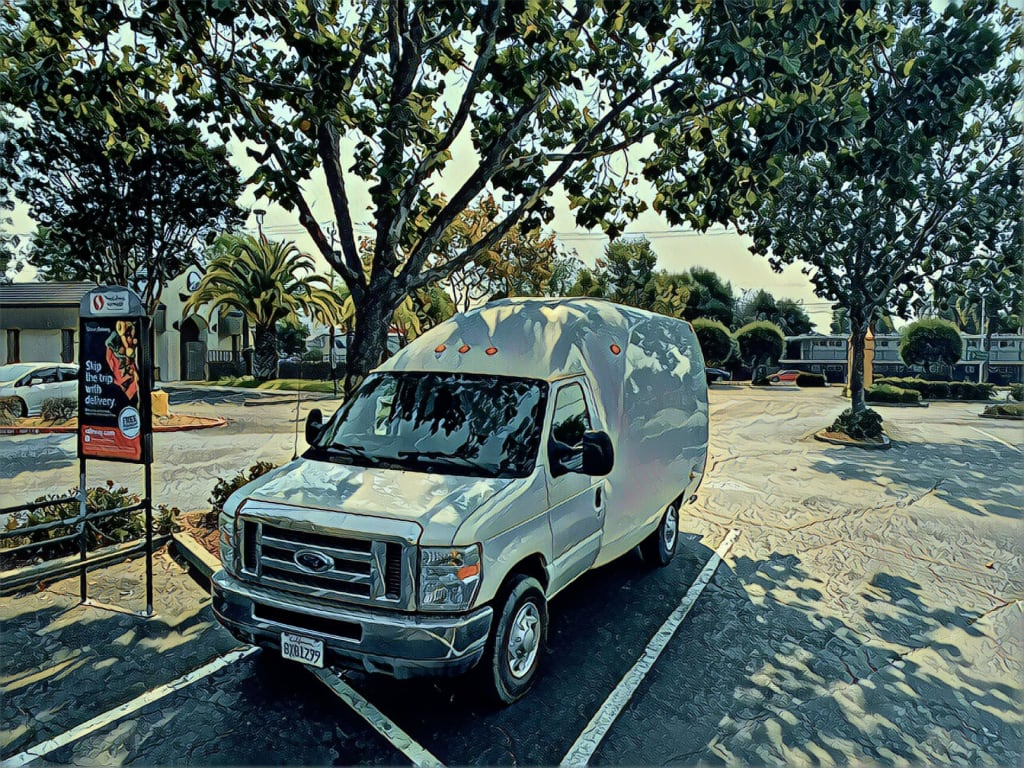
Living in a campervan or recreational vehicle (RV) down by the river isn’t as cheap as it sounds. In many places around the country it’s illegal. Staying in an all-year RV park or a BLM Long Term Visitor Area (LTVA) might also sound more affordable, but ultimately, the extreme temps and remoteness might get to you.
There are other options: camp hosting, volunteering, join the peace corps, work camping, work as a caretaker in some remote place, offering parking lot security at night, sleep during the day, etc. The possibilities are many.

Living in vehicles has be almost romanticized in recent years by movies and Instagram. But the reality isn’t often pretty.
Wallydocking (staying the night at Walmart) has become so popular the retailer has had to hire more security and put up signs prohibiting staying the night in their lots in some states.
Boondocking (remote and not connected to any services) in the wild, off-grid, away from cities has always been popular for a rugged few. But lately, many of the prized secluded places are filled with the uninitiated cityfolk and people just trying to escape urban blight. That’s brought trash and trouble to once pristine natural habitats and made boondocking less attractive to many.
Stealth or Urban Camping in cities has always had a negative connotation, especially from NIMBYs and Karens in government. Because the economy has crushed the souls of small businesses and most hourly wage earners, tens of millions have been evicted and left to live in the streets.
A few hundred thousand have bought up old RVs and trailers to live in the industrial areas of cities and towns across many western countries.
Eventually this leads city residents or leaders to complain and then law enforcement sweep in and push them out, tow away vehicles, cause all manner of disruption, and those folks are forced to start over again somewhere else. Usually not far away. The cycle then starts again.
Skoolies (living in converted school buses) has a huge following. They’re much bigger than vans, but most eat a ton of fuel to move around. So I imagine they’re hurting right now.
Recently, I spent 3 solid months living on the road in my van until I had a heart-related issue that required regular visits to my cardiologist who didn’t do campsite visits.
What I learned on my trip was that gasoline is expensive. And that was before it doubled recently. Because you have to move around and can’t stay in one place for longer than 14 days, or overnight in some places, you’re going to need gas money.
This means vanlife isn’t for everyone for many reasons. It’s definitely not a fitting solution for most people. Truth is, people who live in their vehicles really don’t want to add 50 million poor people to their numbers. But for some it might be the only way to survive.
If you think Vanlife or RV life is right for you, check out Bob’s YouTube and Website for detailed information — cheaprvliving.com.
Narrow Boating / Canal Boat Living
- Initial Costs: $15k — 150k
- Monthly Cost of Living: $1,000 to $3,000+
This is probably the least expected option on the list. In fact, most people probably had no idea this was a thing.
Moving overseas and living on a Narrowboat is a little known alternative. It’s arguably more expensive to get into than vanlife, but it’s one of the more laidback and perhaps peaceful options for those who can afford it. Costs range from $15,000 to as much as a house for a narrowboat, and you’ll still need registration, classes, licenses, and you’ll need to work out your legal right to be in a country where narrow boating is an option (UK, Europe).

For most people this isn’t an option. In fact, most places couldn’t handle even a small percentage of the houseless population if they all decided to get into narrow boating.
Do your research before considering this option. You’ll need to consider each country and their visa requirements. But at least now you know this exists.
Houseboating / Living on a Boat
- Initial Costs: $10k — unlimited
- Monthly COL: $1,000 to $2,000+
Few know what it’s like living on the waterways, rivers and lakes where the laws are not necessarily as strict as they might be on land. Houseboats and sailboats are NOT cheap!
Living on a sailboat out on the open water might seem a dream to some. But living on a boat isn’t for everyone. There’s a lot knowledge and skills (and lots of money) that are needed before you buy and live on a boat. It’s an expensive route to what could be a difficult lifestyle that some spend on endlessly repairing, navigating, looking for safe harbor, and trying to afford the costs.

For most folks, living on a boat isn’t a smart alternative to homelessness because it’s not easy or cheap. Maybe living on a boat in drydock is an even better option. Both are worth looking into considering what it’s like living homeless on the streets.
Geoarbitrage, Digital Nomad, Perpetual Traveler
- Initial Costs: $3k — $6k
- Monthly COL: $900 to $2,500+
I’m totally admitting a strong bias here. I’m lucky to be able to earn a little bit of money online. Living abroad has been a constant consideration of mine. What it takes is a fairly regular income from a source that’s not location specific.
Perpetually traveling to affordable countries or roaming the world with a backpack requires a ton of setup and ongoing flexibility. Most people tend to give up or give in along the way and find a more permanent home.

It’s definitely an overly romanticized way to avoid the wealth disparity of the western world, but in the end this option probably isn’t the best alternative for most people.
Right now it takes an income of about $1,400 USD per month to travel to the world’s top backpacker countries perpetually. But even that doesn’t account for the occasional emergency, pitfalls or setbacks.
In my research, countries like Chile, Cambodia, Laos, Vietnam, Thailand, Indonesia, Mexico, Peru, Colombia, Korea, India, Croatia, Greece, Bulgaria, Portugal, Spain, Sri Lanka, Italy are all great places to start your own research.
I start with which countries are affordable and allow long term stays or a method to extend stays up from 2–3 month or more. That way you’ll spend less on airfare and be able to save on longer accommodation stays.
Before considering this option you’ll need emergency funds of at least 2–3 months plus enough to buy emergency air tickets back to a safe place.
Cabin in the Woods
- Initial Costs: $10k — millions+
- Monthly COL: $500 to $1,500+
The dream of buying a cheap spot of land and building a cabin or placing a trailer (tent, leanto, cave home, hobbit hole, etc) there to live out your years is easier said than done. Land these days it not only expensive, but most land comes with zoning, building codes and all manner of municipal codes that limit what you can do with your expensive land.

You’ll have to remember buying land involves paying annual property taxes and sometimes insurance as well.
But if you can afford to buy land or know someone with land, putting up a Yurt, lean-to, hut on a beach, or glamping setup could save your ass in an economic collapse.
The NIMBY folks are everywhere, and the local authorities are always looking for a way to get more property taxes from even the tiniest landowners. This makes this option unappealing to most people who are already cash-strapped.
I had to put it on this list because if it’s possible for you, it’s a great option. But you’ll need outdoor skills to survive. Learn those and do your homework!
Buying a Farm or Homesteading
- Initial Costs: $50k — $500k+
- Monthly COL: $500 to $2,500+
Even better than just living offgrid in a cabin is the idea of homesteading. Growing your own and “livin off da fatta da lan” is a dream for most, especially for “Of Mice and Men” readers.
Usually agricultural property is taxes less than other real estate types. Be sure to do your research before buying land. Remember that it makes zero sense buying property without any water rights or sustainable water sources.

Again, land isn’t cheap and affordable properties with access to water and the right conditions for growing food is nearly impossible for most people. But if this is your dream — keep looking! It’s a solid idea for those willing to put in the hard work it takes to live sustainably on a small farm or homestead.
Living on the Streets or McCandlessing it in the wild
- Initial Costs: $2k — $5k (or $0)
- Monthly COL: $100 to $1,000+
For many, this is where survival is going to start. Many folks today are completely clueless about what it takes to live on their own with no shelter in a country that stigmatizes and criminalizes your involuntary circumstances.
Every year more and more people find out the hard way what it’s like.

If you have the wits and the will to do this, then you should do your due diligence and pick the right place to start your journey. Find a climate you can tolerate. Find an area you think you can thrive on your own with just what you carry on your back to keep you company.
If you have the right skills and a very strong constitution you’ll have an edge. You’ll need excellent health and the ability to live a solitary life.
Survival skills like ‘wilderness survival’ are difficult skills to learn without regular practice in difficult environments. If this is your thing, then I recommend you keep in practice.
For those who aren’t used to camping or backpacking, you might want to seriously consider some other alternative.
Estimating costs for this lifestyle is impossible. You might want to maintain a phone, so that might be your only cost. But you might not.
Coliving / Cohousing / Intentional Community
- Initial Costs: $2k — $50k
- Monthly COL: $1,000 to $3,000+
This form of ‘housing’ has been around forever. People shacking up with others is quite common. Most recently young people have been forced economically to move back in with their parents because of staggering housing costs and student debt.
Finding a coliving shared housing arrangement isn’t easy. The non-traditional eco-villages, tiny house communities, intentional living situations, communes, roommates, are so different and spread out all over that it’s a huge undertaking just to find a shared housing situation you might be able to tolerate.
You can start your research on the Intentional Communities website — www.ic.org.
The easier it is to get in usually means it’s more expensive. A recent newcomer to the vanlife community living scene is called “Kift”. It currently costs 0.10 ETH (cryptocurrency) and $425/month to join their “community” of locations where you can bring your own van to live in and use their facilities.
Kift is basically for the digital nomad/vanlife folks who have a very “comfortable” monthly income. For most people it’s not affordable. Which makes sense because it’s not designed to be affordable housing for the poor.
You can also checkout coliving.com.
Fixer-Upper Dweller
- Initial Costs: $100k — $900k
- Monthly COL: $1,500 to $3,500+
Most people can’t afford to buy a fixer-upper and finding a fixer-upper somewhere off the beaten path is unlikely. Most off the market properties are rare and quickly snatched up. Search for “FSBO” or something to find run down opportunities for a handy person.
Although there are millions of people looking for low cost housing every day, you might be able to find one everyone else hasn’t seen.
I recently located a $250,000 1 bedroom/1 bath rundown fixer-upper in Oregon. Hey, the place didn’t look great, and it was far from a Walmart, but it had running water and a porch.
The problem would be employment. Most are going to be out of work, so you’ll have to have some sort of income to consider. If Social Security isn’t canceled, then a 62 year old with a bunch of money saved up might be able to avoid eviction by buying their own love shack!
For some, especially those who aren’t rugged or skilled survivalists, and you can afford to buy a shack that looks haunted — this might be your opportunity.
Couch Surfing or Moochdocking
- Initial Costs: $2k — $4
- Monthly COL: $1,200 to $2,500+
Perpetual house sitting or couch surfing might seem like the lazy mans way to checkout and play computer games all day and night, but they might be on to something. Much like shared housing or coliving, Couch Surfing at a friends place would be a ton better than living under an overpass.
If you have a van you could park in your friend’s driveway or backyard and sleep in that. Offer to fix the fences, mow lawn, paint the house, to contribute.
You could also couch surf as a means to roam around the world. Take a look at CouchSurfing.com. If you have a vehicle that meets the criteria, try BoondockersWelcome.com.

Expat Life (living abroad)
- Initial Costs: $3k — $6k
- Monthly COL: $900 to $2,500+
Becoming an Expat or living full time outside of your native country has been a common practice for a very long time. But the term is used differently everywhere.
For example, when Americans go live in a different country, they call themselves “expats” (expatriates). When someone comes to live in America they call them immigrants. You can see the problem.

But there are many expat communities around the world. They are just high concentrations of expats from many different countries that live in the same area of a particularly expat-friendly country.
Thrillist did an article recently talking about the Best Countries for Expats.
Countries that welcome expats usually also welcome digital nomads and long term travelers as well. You can discover more about expats at expat.com.
Where to start — which alternative to choose?
You have to take personal inventory of your current circumstances and look into a best-fit scenario for you and your situation.
That means thinking about your location, your health, your assets, family, pets, money, income, weather, risks, obstacles, abilities, talents, skills and mindset.
If you have a vehicle and money, then you can survive until you run out of food, money and places to park legally. What then? To travel abroad, you’ll need money and a passport. Do you have those?
Once you’ve got a snapshot of where you’re at now, and a clear picture of what your options are, narrow it down. Think about your personal needs too. What languages can you speak or what countries speak your language. Can you tolerate living in a van in the snow or heat of the desert? These are all important questions to ask yourself.
It’s not too late to consider your circumstances and make a plan or a couple of bugout plans just in case. The people who avoid thinking about the future are doomed to suffer whatever consequences are coming unprepared.
About the Creator
Erik Blair
Freelance writer and content creator exploring topics in travel, geoarbitrage, relocation, retirement, politics, social issues, and current affairs.
Keep reading
More stories from Erik Blair and writers in Lifehack and other communities.
Why You Should Retire In Thailand Right Now!
In this article I’ll cover some of the reasons why Thailand is ripe for those who are able to retire there right now. I will also explain why I’m letting the secret out and help you decide whether Thailand is a right-fit for you (or whether you are right for Thailand).
By Erik Blair3 years ago in Wander
How to Find Penny Items at Dollar General
Imagine walking into Dollar General and walking out with a cart filled with items that cost you a total of less than a dollar. The lucky few who snag penny items certainly have experienced the adrenaline and happiness it creates. If you want to feel like a Queen (or king) for a day, read below to learn how you can become a DG penny-aire.
By Criminal Matters8 days ago in Lifehack
How to Recover Your Instagram Account: The Complete 2026 Guide
Losing access to your Instagram account can feel like being locked out of a digital life. With billions of users and accounts increasingly targeted by hackers, knowing exactly how to react is crucial. Whether you’ve been hacked, forgotten your password, or had your account disabled, this comprehensive guide walks you through every official recovery method. We base our advice on Instagram's official help resources and cybersecurity experts to ensure you can regain access quickly and secure your profile for the future.
By Alexander Hoffmannabout 8 hours ago in Lifehack



Comments
There are no comments for this story
Be the first to respond and start the conversation.