
Affliate Marketing
Affiliate marketing is like a referral program on steroids - where you get paid for spreading the word about products you love!
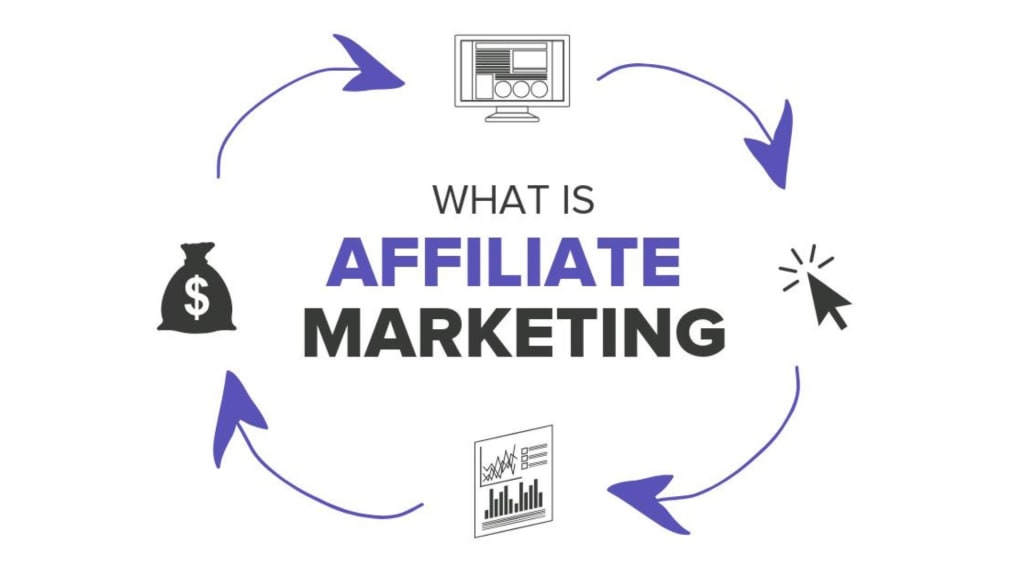
Affiliate marketing is a type of performance-based marketing in which a company or business rewards one or more affiliates for each customer or sale that is generated through the affiliate's marketing efforts. It is a popular and effective method for businesses to generate revenue and expand their reach without the need for a large marketing team or significant financial investment.
In this type of marketing, the business or merchant provides the affiliate with a unique link or code that the affiliate can share with their audience or customers. When a customer clicks on this link and completes a purchase or other desired action, such as filling out a form or signing up for a newsletter, the affiliate is credited with a commission or payment for their efforts.
Affiliate marketing can be a lucrative and beneficial arrangement for both the merchant and the affiliate. For the merchant, it allows them to expand their reach and generate sales through a network of affiliates who can promote their products or services to their own audiences. This can help increase brand awareness, drive traffic to the merchant's website, and ultimately result in increased revenue and profits.
For the affiliate, it offers a way to earn money through their online presence and marketing efforts without the need to create their own products or services. They can leverage their own website, blog, social media channels, or email list to promote the merchant's offerings and earn commissions on any resulting sales or actions. This can be a particularly attractive option for individuals or businesses with a large or engaged audience, as they can monetize their influence and generate additional income streams.
There are several key players involved in the affiliate marketing ecosystem, each with their own role and responsibilities. These include:
Merchant: The business or company that sells products or services and wants to leverage affiliate marketing to expand their reach and generate more sales.
Affiliate: The individual or company that promotes the merchant's products or services to their own audience or customers in exchange for a commission or payment.
Affiliate network: A third-party platform that connects merchants with potential affiliates, manages tracking and payments, and provides support and resources for both parties.
Consumer: The end customer who clicks on the affiliate's link and completes a purchase or other desired action on the merchant's website.
Tracking and analytics tools: Various software and tools that enable the tracking and analysis of affiliate marketing campaigns, including clicks, sales, and other metrics.
In order to set up an affiliate marketing program, the merchant typically creates an account with an affiliate network or platform, where they can set up their program and recruit affiliates to promote their offerings. They will then provide these affiliates with a unique tracking link or code that they can share with their audience or customers, and the affiliate network will track any resulting clicks or sales.
Affiliates can promote the merchant's offerings in a variety of ways, including through their own website or blog, social media channels, email marketing campaigns, or other methods. They may also create their own content, such as product reviews or tutorials, to showcase the merchant's products or services and entice their audience to make a purchase.
One of the key benefits of affiliate marketing is the ability to target specific niches or audiences. For example, a merchant selling vegan protein powders may partner with fitness bloggers or influencers in the health and wellness space, who can promote their products to their own audience of health-conscious individuals. This can result in more targeted and effective marketing efforts, as the affiliate's audience is already interested in the type of product being promoted.
Another important aspect of affiliate marketing is the need for transparency and ethical practices. The Federal Trade Commission (FTC) requires affiliates to disclose their relationship with the merchant and any compensation they may receive for promoting their products or services. This helps ensure that consumers are aware of any potential biases or conflicts of interest and can make informed purchasing decisions.
In addition,in order to be successful in affiliate marketing, both the merchant and the affiliate must prioritize quality over quantity. This means that the merchant should focus on partnering with affiliates who have a strong reputation and a relevant audience, rather than simply recruiting as many affiliates as possible. Similarly, the affiliate should only promote products or services that they believe in and that are a good fit for their audience, rather than promoting any and every product just to earn a commission.
Another important factor in affiliate marketing is the tracking and measurement of performance. This allows both the merchant and the affiliate to see how their efforts are contributing to sales and revenue, and to make adjustments as needed to improve their results. Affiliate networks and tracking tools provide detailed data on clicks, conversions, and other metrics, which can be used to optimize campaigns and improve ROI.
Affiliate marketing is a constantly evolving field, with new trends and strategies emerging all the time. One such trend is the rise of influencer marketing, which involves partnering with social media influencers to promote products or services to their followers. This can be a highly effective way to reach a targeted audience and generate sales, but it also requires careful vetting and management of influencer partnerships to ensure that they are authentic and ethical.
In conclusion, affiliate marketing is a powerful and effective way for businesses to expand their reach and generate revenue, while also providing a flexible and lucrative opportunity for affiliates to monetize their online presence and marketing efforts. However, it requires careful planning, management, and transparency to ensure that it is done ethically and effectively. With the right strategy and execution, affiliate marketing can be a win-win for both merchants and affiliates, and a valuable component of any marketing mix.
About the Creator
Abi Laksh
I'm a writer and published author with four decades of content development experience in business, technology, leadership, and health. Read My Contents and give your valuable feedbacks which would help me to create more clear contents.
Industrial Air Pollution Control: Why Clean Air is the Future of Manufacturing
Introduction Clean air isn’t just a matter of comfort in industrial settings—it’s a necessity. As industries expand and manufacturing processes become more advanced, the byproducts of production are having a significant impact on the environment and the health of workers. Factories, plants, and warehouses emit pollutants ranging from toxic gases to fine particulate matter, creating a hazardous atmosphere both indoors and outdoors. This blog explores how air pollution control has evolved into a core pillar of sustainable industrial growth, how regulations are shaping corporate responsibility, and why businesses must prioritise cleaner air strategies to remain competitive, ethical, and future-ready.
By Hafsa Usmani5 days ago in Lifehack
EMR Billing Solutions: A Complete Guide for Modern Healthcare Practices
Healthcare providers today face mounting administrative pressures alongside rising operational costs. Accurate documentation, timely claim submission, and regulatory compliance are critical for financial stability. EMR billing solutions offer an integrated approach that connects clinical records with revenue cycle management, improving efficiency and reimbursement outcomes.
By Tracee Jones5 days ago in Lifehack
📢 Raise Your Voice Thread: 03/05/2026
Our “Raise Your Voice Threads” are hosted most alternating Thursdays at 12PM ET to offer creators more avenues to uncover exceptional stories on Vocal. As we are continuously searching for fresh creators and inspiring stories, this thread provides an opportunity to exchange and discuss the stories that have moved and motivated us on Vocal.
By Raise Your Voice by Vocal2 days ago in Resources



Comments
There are no comments for this story
Be the first to respond and start the conversation.