
About Marburg Virus Disease:
Symptoms, Treatment, and Prevention

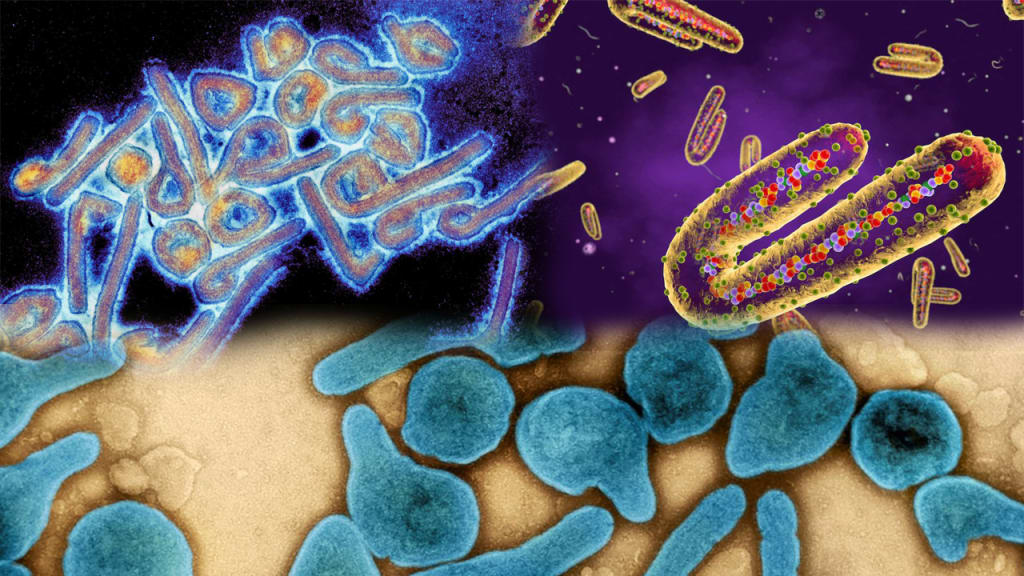
A rare but severe viral infection in the family Filoviridae, Marburg virus disease is contagious. It is a very contagious illness that results in organ failure, a high temperature, and bleeding. Humans can contract the virus through interaction with fruit bats or other infected animals, and it is thought to have originated in these bats.
Health officials have been worried about the Marburg virus recently because of its ability to start a large-scale outbreak. Everything you need to know about the Marburg virus disease, including its signs, symptoms, causes, and prevention, will be covered in this piece.

Symptoms of Marburg Virus Disease
It can take between two and twenty-one days for symptoms of the Marburg viral disease to appear. These signs could be:
Early Symptoms:
- Fever
- Chills
- Muscle aches
- Nausea
- Vomiting
- Diarrhea
- Abdominal pain
Late Symptoms:
- Jaundice
- Delirium
- Severe bleeding
- Shock
- Multi-organ dysfunction syndrome (MODS)
If you have been exposed to the Marburg virus and exhibit any of these signs, it is critical that you get medical help right away.

Treatment of Marburg Virus Disease
The Marburg viral disease does not have a particular treatment. The cornerstone of therapy is supportive care, which includes:
- Intravenous fluids to maintain electrolyte balance
- Blood transfusion to replace lost blood
- Oxygen therapy to support breathing
- Medications to manage symptoms such as pain, fever, and vomiting
Hospitalization and intensive care may be required in severe instances. Patients may occasionally need to be separated in order to stop the virus from spreading.
Prevention of Marburg Virus Disease
The greatest defense against contracting the Marburg virus disease is prevention. You can take the following actions to lower your chance of infection:
- Avoid contact with fruit bats, monkeys, and other animals that may carry the virus.
- Wear protective clothing, including gloves, masks, and goggles, if you work with animals or in areas where Marburg virus is endemic.
- Practice good hygiene, including frequent hand washing with soap and water or using alcohol-based hand sanitizers.
- Avoid consuming raw or undercooked animal products, including meat and dairy.
Marburg Virus Outbreaks
There have been outbreaks of the Marburg virus illness in a number of African nations, including the Democratic Republic of the Congo, Angola, and Uganda. Four cases were recorded during the most recent outbreak in Guinea in 2021, and all four patients passed away. If the proper precautions are not taken, the Marburg virus illness has the potential to spread widely, according to the World Health Organization (WHO).
Candida Rst and Marburg Virus Disease
Recently, a deadly fungus called Candida rst has been spreading throughout the US, alarming health authorities. The fungus is thought to be resistant to the majority of antifungal drugs and can result in life-threatening infections in individuals with compromised immune systems. Marburg viral disease and Candida rst are distinct illnesses, but they have some things in common, such as the potential to cause serious infections and the capacity to spread quickly.
Maggie Vespa and the Deadly Fungus Outbreak
The deadly fungus epidemic in the Pacific Northwest was covered by Maggie Vespa, a news anchor for KGW-TV in Portland, Oregon. The outbreak began in Oregon and has since expanded to Nevada and Washington, among other states. Health authorities are attempting to contain the outbreak because they are worried about the fungus's potential to spread.
Frequently Asked Questions...
Is Marburg virus spreading?
Although the Marburg virus is not presently spreading widely in any one area, outbreaks have happened before, mostly in African nations. There have been isolated outbreaks in the Democratic Republic of the Congo, Angola, and Uganda recently. Only a few cases have been recorded during each of these small outbreaks.
What countries have Marburg virus?
Several African nations, including Uganda, Angola, and the Democratic Republic of the Congo, have been the main locations of Marburg virus discovery. However, instances have also been documented in Europe and the US, primarily among travelers to Africa who were exposed to the virus there.
How did people get the Marburg virus?
Contact with infected creatures or their bodily fluids, such as blood, urine, or feces, can result in the transmission of the Marburg virus. Additionally, the virus can be transmitted by coming into contact with infected items like needles or medical supplies. Once a person has the virus, it can be passed on to others by coming in contact with their bodily fluids, like blood or saliva.
Infection with the Marburg virus usually manifests 2–21 days after exposure. Fever, headaches, pains in the muscles, vomiting, and diarrhea are among the symptoms. In some instances, internal bleeding, organ failure, and death can result from the disease's worsening symptoms.
More Frequently Asked Questions...
Deadly fungus 2023: Candida RST and Maggie Vespa
In addition to the Marburg virus, a deadly fungus that is spreading throughout the United States is a source of worry. An antifungal drug-resistant variant of the fungus Candida auris is known as Candida RST. After being discovered for the first time in 2009, the fungus has since spread to more than 30 nations worldwide.
The spread of Candida RST in the United States has been covered by Maggie Vespa, a researcher with KGW in Portland, Oregon. The fungus, according to Vespa, has been discovered in medical institutions across a number of states, including California, Texas, and New York.
Deadly fungus outbreak: Nevada fungus
The Candida auris epidemic in Nevada is another deadly fungal outbreak that has been in the news. The outbreak started in 2022, and it has since expanded to numerous hospitals throughout the state.
A strain of Candida auris that is resistant to several antifungal medications is what is causing the epidemic, according to the Centers for Disease Control and Prevention (CDC). To contain the outbreak and stop it from spreading further, the CDC has been collaborating closely with state and local health authorities.
Conclusion
In conclusion, there is worry over the spread of deadly fungi like Candida RST and Candida auris, in addition to the rare and deadly Marburg virus, which primarily affects African nations. These fungi can cause severe and frequently fatal infections, especially in people with compromised immune systems. They are resistant to a variety of antifungal medications.
About the Creator
Health Kiss
Welcome! We are a team of health professionals dedicated to providing you with the latest health tips and services. Our goal is to help you achieve optimal health and wellness through education, prevention, and personalized care.
Keep reading
More stories from writers in Lifehack and other communities.
Time Management Vs Money Management
In today’s fast-paced world, two skills are often highlighted as essential for success: time management and money management. Both are considered pillars of a productive and stable life, yet people frequently debate which one matters more. Is it better to manage your time perfectly or to handle your money wisely? The truth is that both are deeply connected, but they play different roles in shaping personal growth, career success, and long-term happiness.
By shaoor afridi3 days ago in Lifehack



Comments
There are no comments for this story
Be the first to respond and start the conversation.