
A Beginner's Guide to Plant Fertilizers: What You Need to Know
Choosing the Right Fertilizer for Your Gardening Needs

Introduction
Plant fertilizers play a crucial role in helping plants grow and thrive. However, for a beginner, choosing the right fertilizer can seem overwhelming. In this article, we'll cover the basics of plant fertilizers so that you can select the right fertilizer for your plants and help them grow to their full potential.
Understanding Plant Nutrients
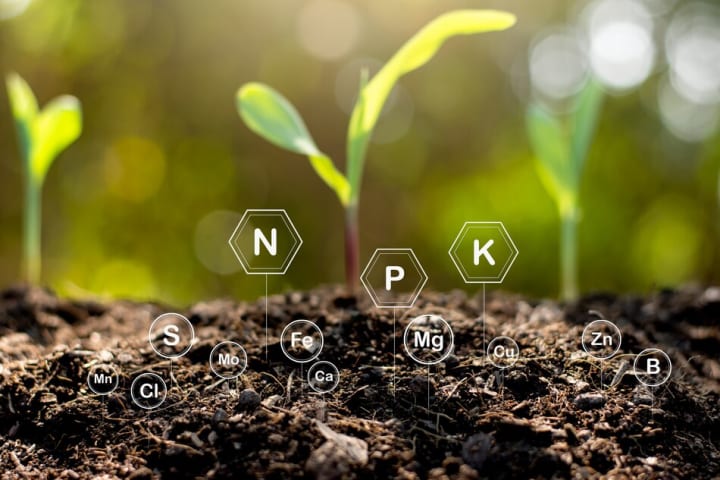
To understand plant fertilizer, it's essential to understand the nutrients that plants need to grow. The three primary nutrients plants require are nitrogen, phosphorus, and potassium. These nutrients are called macronutrients, and they are the most important for plant growth. In addition to macronutrients, plants need secondary macronutrients and micronutrients to grow correctly. Secondary macronutrients include calcium, magnesium, and sulfur, while micronutrients include iron, boron, and manganese, among others.
Types of Fertilizers
Fertilizers come in different types, including organic and inorganic, slow-release and fast-release, and synthetic and natural. Each type has its advantages and disadvantages.
- Organic fertilizers are made from natural substances, such as manure and compost, and they release nutrients slowly over time.
- Inorganic fertilizers, on the other hand, are artificially created and release nutrients quickly.
- Slow-release fertilizers release nutrients over an extended period.
- Fast-release fertilizers release nutrients quickly, which may lead to over-fertilization if not used correctly.
- Synthetic fertilizers are chemically produced, while natural fertilizers are made from natural sources.
How to Choose the Right Fertilizer for Your Plants?
When selecting a fertilizer, it's essential to understand the needs of your plants. The type of fertilizer you choose depends on the type of plant you're growing, as different plants have different nutrient requirements. You should also understand the N-P-K ratio, which indicates the percentage of nitrogen, phosphorus, and potassium in the fertilizer.

Another consideration is the form of the fertilizer. Different fertilizers come in various forms, such as pellets, liquids, and powders. Pellets are long-lasting and easy to use, while liquids and powders are quicker-acting and are better suited for foliar feeding.
When and How to Fertilize?
The timing of fertilization is critical for plant growth. Fertilizers are typically applied in the spring, but the timing may vary depending on the plant's needs. For example, some plants require a fall application of fertilizer, while others need a midsummer application. It's essential to read the instructions on your fertilizer package to determine the optimal time to fertilize your plants.
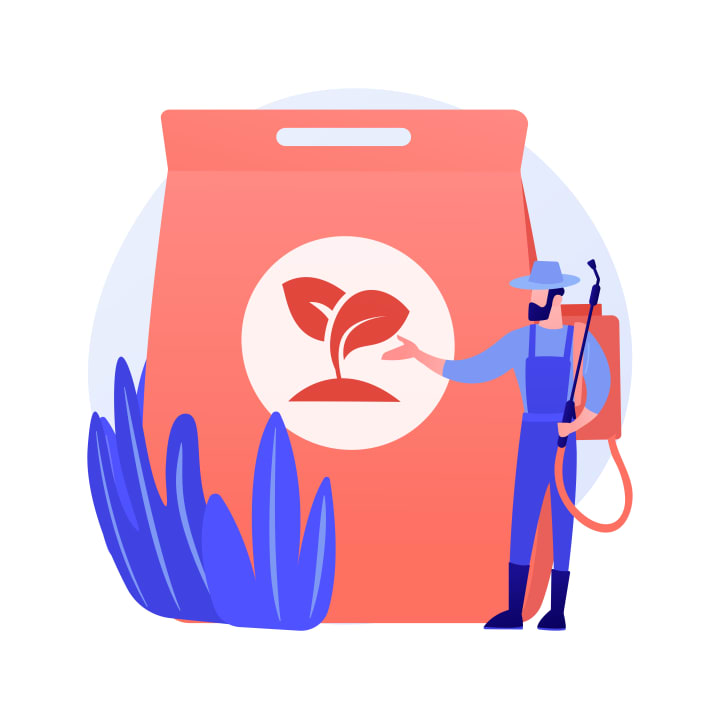
The application method you choose depends on the type of fertilizer and the plant's needs. Fertilizers can be applied via the soil or leaf spray. Soil application is the most common method and involves applying fertilizer directly on the soil around the plant. Leaf spray is a quicker method and involves applying fertilizer directly to the plant's leaves.
Cautions and Tips for Proper Fertilization
It's essential to follow instructions carefully when applying fertilizers, as over-fertilization can cause significant damage to your plants. Signs of over-fertilization include leaf burn, stunted growth, and even death of the plant. Under-fertilization, on the other hand, can result in yellow leaves, stunted growth, and reduced yields.
To avoid these problems, it's essential to apply the amount of fertilizer recommended in the instructions and follow a regular fertilization schedule. Additionally, it's crucial to apply the fertilizer evenly around the plant to ensure that all parts receive the nutrients they need.
Common Fertilizer Problems
Over-fertilization, under-fertilization, and burned roots are some of the most common fertilizer problems. Over-fertilization occurs when you apply too much fertilizer, which can cause salt buildup in the soil, leading to root burn and stunted growth. Under-fertilization occurs when you fail to provide your plant with enough nutrients, which can result in slow growth and weak plants. Burned roots occur when the fertilizer is applied directly onto the roots, which can cause the roots to dry out and die.
Conclusion
Choosing the right fertilizer is crucial for the health and growth of your plants. Understanding the nutrients that plants need to grow, the different types of fertilizers, and the best timing and application methods will help you make informed decisions about choosing a fertilizer. By following the tips and cautions outlined in this article, you can help prevent common fertilizer problems and ensure that your plants thrive with successful fertilization.
About the Creator
Lily James
I am blessed with a funny gene that makes me enjoy life to the fullest.
Keep reading
More stories from Lily James and writers in Lifehack and other communities.
High-Performance Laptops: What to Look for in a Machine that Can Handle Demanding Tasks
Introduction High-performance laptops are becoming increasingly essential for individuals who require a machine that can handle demanding tasks. These tasks may include video editing, 3D modelling, or gaming, all of which require a laptop with a powerful processor, graphics card, and ample RAM. Having a laptop that can handle such tasks efficiently can save time, increase productivity, and improve the overall user experience. In this blog post, we'll explore what to look for in a high-performance laptop that can handle demanding tasks. We'll cover the critical components of a laptop such as a processor, RAM, graphics card, storage, display, cooling, and battery life.
By Lily James3 years ago in Lifehack
SEO Mentor Nestor Vazquez and a Different Way of Understanding Search
In many discussions about digital marketing, search engine optimization is often presented as a technical discipline. Articles tend to focus on rankings, backlinks, analytics dashboards, and algorithm updates. While these elements are certainly part of the field, they do not fully explain how people actually learn to understand search.
By House Doctor7 days ago in Lifehack
How to Find Penny Items at Dollar General
Imagine walking into Dollar General and walking out with a cart filled with items that cost you a total of less than a dollar. The lucky few who snag penny items certainly have experienced the adrenaline and happiness it creates. If you want to feel like a Queen (or king) for a day, read below to learn how you can become a DG penny-aire.
By Criminal Matters6 days ago in Lifehack




Comments
There are no comments for this story
Be the first to respond and start the conversation.