
7 Silent Signs Your Mental Health Is Affecting Your Body More Than You Think
7 Silent Signs Your Mental Health Is Affecting Your Body More Than You Think
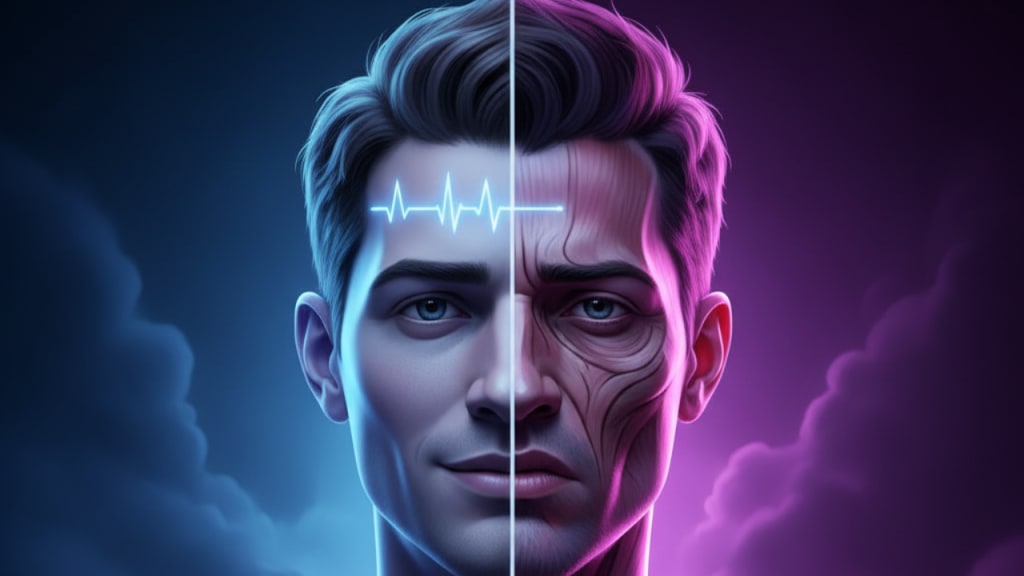
Your mental health doesn’t just stay in your head it affects your entire body in ways you might not realize. While stress, anxiety, or depression often show up as emotional symptoms, they can also create physical changes that quietly harm your overall well-being. These warning signs often go unnoticed or are mistaken for unrelated health problems, but recognizing them early can help you take control before they worsen. Here are seven silent signs that your mental health may be impacting your body more than you think.
1. Constant Fatigue Despite Adequate Rest
If you’re sleeping enough but still feel drained every day, it could be more than just a busy schedule. Mental health struggles such as anxiety or depression can disrupt your body’s natural sleep cycles and prevent deep, restorative rest. Even if you fall asleep on time, excessive worry or emotional distress can cause restless nights and poor-quality sleep, leaving you tired no matter how long you stay in bed. Chronic fatigue is often one of the earliest signs that your mind and body are under stress.
2. Frequent Headaches and Migraines
Tension headaches are a common physical response to prolonged mental stress. Anxiety, depression, and emotional strain cause the body to release stress hormones, which tighten the muscles in your neck, shoulders, and scalp. Over time, this tension can trigger frequent headaches or even migraines. If you notice that your headaches seem to worsen during stressful periods or emotional lows, your mental health may be the root cause rather than a simple physical issue.
3. Digestive Issues with No Clear Cause
Your gut and brain are closely connected through the gut-brain axis, which means your mental state can directly affect digestion. Stress and anxiety can lead to stomachaches, bloating, diarrhea, or constipation without any obvious dietary trigger. Conditions like irritable bowel syndrome (IBS) are often linked to chronic stress. If you find yourself experiencing unexplained digestive discomfort, it might be your body’s way of signaling emotional strain.
4. Unexplained Aches and Pains
Mental health struggles can manifest as physical pain, even when there’s no visible injury. People dealing with chronic stress, depression, or anxiety often report muscle tension, back pain, or joint stiffness. This happens because mental distress increases inflammation in the body and keeps muscles in a constant state of tension. If you’ve been to doctors and can’t find a clear medical explanation for persistent aches, it may be time to evaluate your emotional well-being.
5. Weakened Immune System
Have you been getting sick more often than usual? Poor mental health can compromise your immune system, making it harder to fight off infections. Chronic stress triggers the release of cortisol, a hormone that suppresses immune function when elevated for long periods. As a result, you may catch colds more frequently or take longer to recover from minor illnesses. Paying attention to your emotional health can strengthen your body’s natural defenses.
6. Changes in Appetite or Weight
Mental health issues can significantly affect your relationship with food. Anxiety and depression may cause you to overeat for comfort or lose your appetite entirely. Both scenarios can lead to sudden weight gain or weight loss without intentional changes in diet or exercise. These fluctuations aren’t just about food they reflect how your brain and body respond to emotional distress. If you notice drastic changes in eating habits, it’s important to explore whether mental health is playing a role.
7. Skin Problems and Breakouts
Your skin often mirrors what’s happening inside your body. Stress and anxiety can trigger hormonal imbalances that worsen conditions like acne, eczema, or psoriasis. When you’re mentally overwhelmed, your body releases more cortisol, which increases oil production and inflammation in the skin. If you’re experiencing sudden breakouts or flare-ups without a change in skincare routine, mental stress might be the hidden culprit.
Why These Signs Matter
Many people treat these physical symptoms in isolation, visiting doctors for headaches, stomach problems, or fatigue without considering their mental health. While it’s essential to rule out medical conditions, it’s equally important to recognize when emotional distress is the underlying factor. Ignoring the mind-body connection can lead to chronic health problems, higher stress levels, and a cycle of worsening symptoms.
Get Your Beta HCG Test at Dr. Essa Laboratory
How to Protect Your Mind and Body
If you recognize any of these signs, it’s crucial to take steps to support both your mental and physical health. Here are a few actionable strategies:
- Practice stress management: Incorporate relaxation techniques like deep breathing, meditation, or yoga into your daily routine.
- Prioritize quality sleep: Aim for 7–9 hours of uninterrupted rest and maintain a consistent bedtime schedule.
- Stay physically active: Regular exercise boosts mood-regulating chemicals like endorphins and reduces physical tension.
- Seek professional support: A therapist, counselor, or mental health professional can help you process emotions and develop coping strategies.
- Maintain social connections: Talking to trusted friends or family members can provide relief and perspective during stressful times.
Final Thoughts
Your mind and body are deeply interconnected, and mental health challenges often reveal themselves in physical ways. Ignoring these silent signals can lead to long-term health consequences, but paying attention and taking action can help restore balance. By recognizing the link between your mental and physical well-being, you can take meaningful steps toward healing, resilience, and a healthier life overall.
About the Creator
Zuraiz Khan
Full Time SEO Expert and Part Time Content Writer
Keep reading
More stories from Zuraiz Khan and writers in Lifehack and other communities.
Why Ignoring This Healthtech Trend Could Cost Hospitals Millions
In the rapidly evolving world of healthcare, technology is no longer a luxury, it’s a lifeline. Hospitals across the globe are facing rising patient demands, increasing operational costs, and stricter regulatory requirements. In such an environment, staying ahead of key healthtech trends isn’t just about innovation; it’s about survival. Among the most transformative developments today is the adoption of smart healthtech solutions powered by artificial intelligence (AI), real-time analytics, and automation. Hospitals that fail to embrace this shift risk losing millions in revenue, efficiency, and patient trust.
By Zuraiz Khan4 months ago in Lifehack
Top Seattle Mobile App Development Trends to Watch in 2026
The moment often comes quietly. A leadership team reviews last year’s mobile roadmap and realizes how much has already shifted. Costs are higher. Users are less patient. Regulations feel closer. What worked even two years ago now feels slightly outdated.
By Samantha Blake2 days ago in Lifehack




Comments
There are no comments for this story
Be the first to respond and start the conversation.