
7 Important Facts About Ingrown Toenails
An ingrown toenail is a common problem that affects people of all ages. Although it may seem harmless at first, without proper care and treatment, it can lead to severe pain, inflammation, and even infection. It's important to know the causes, symptoms, and prevention methods of this condition so you can act quickly and avoid complications. In this article, we have gathered seven important facts about ingrown toenails.

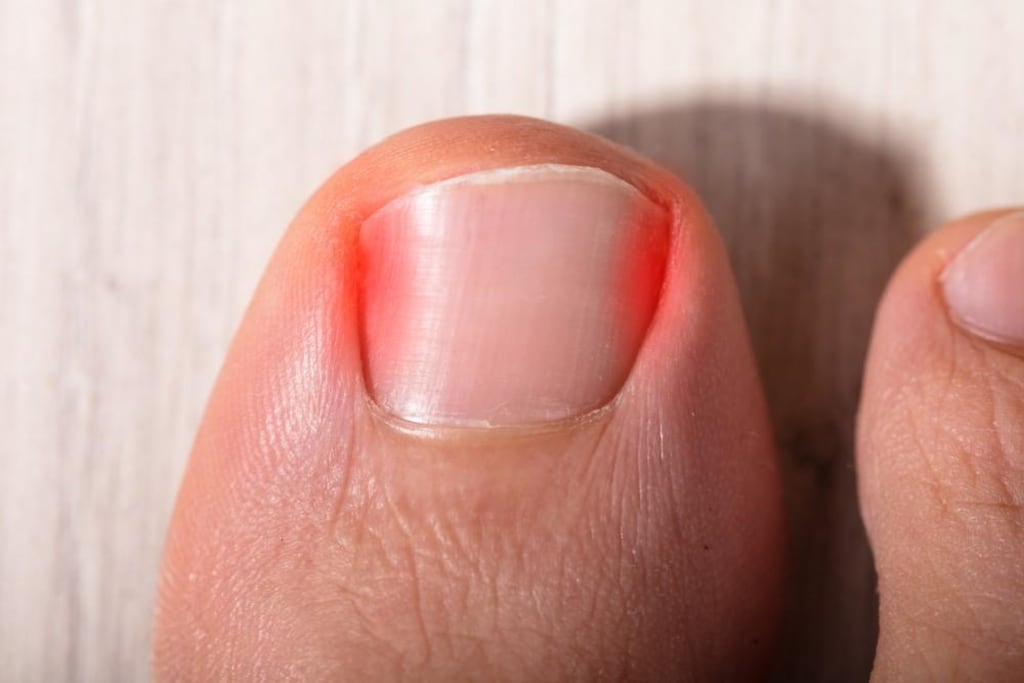
1. An ingrown toenail occurs when the edge of the nail injures the skin
An ingrown toenail develops when the side of the nail plate grows into the surrounding skin. This most often happens on the big toe, as it bears the most weight when walking and wearing shoes. When the nail penetrates the skin, it causes local tissue damage. The body reacts with inflammation, which causes redness, swelling, and tenderness. With continued pressure and friction, the damage worsens, and the risk of infection increases.
2. Improper nail trimming is the main cause of this problem
One of the most common risk factors for ingrown toenails is improper nail trimming. If nails are cut too short or the corners are rounded, they grow downwards and sideways, cutting into the skin. Cutting the corners of the nails too short is particularly dangerous. The correct technique is to cut the nails straight across, leaving a free edge, and not to round the corners. This allows the nail plate to grow forward instead of growing into the soft tissue.
3. Tight shoes promote ingrown toenails
The constant pressure of shoes on the toes is a major contributing factor. Narrow toe boxes, hard materials, and high heels compress the toes and displace the nail plate and skin. This forces the edge of the nail deeper into the tissue. People who wear tight shoes daily have a significantly higher risk of developing ingrown toenails. If you are prone to this problem, it is therefore important to choose shoes with a wide toe box and sufficient room for your toes.
4. Ingrown toenails can be hereditary
The shape of the nail plate and the structure of the nail bed are largely genetically determined. Some people naturally have more curved or thicker nails with more pronounced skin folds on the sides. This anatomical predisposition increases the risk of ingrown toenails, even with good care. The risk is higher if parents or close relatives have had cases of ingrown toenails. In such cases, prevention and proper nail care at a podiatry clinic are especially important.
5. Early symptoms are often ignored
In the initial stage, an ingrown toenail manifests as moderate pain upon pressure, slight redness, and tenderness of the skin around the nail. Many people ignore this and continue to wear the same shoes or cut their toenails. However, this is the stage at which the problem is easiest to treat. With continued pressure and irritation, the inflammation worsens, the tissue swells, and the toenail grows deeper into the skin.
6. Without treatment, an infection can occur
If the toenail injures the skin, it creates an entry point for bacteria. This can lead to an infection: The area around the nail becomes warm and very painful, with significant swelling and pus-like discharge. In advanced cases, granulation tissue forms (a growth of soft tissue around the nail that bleeds easily). The infection can spread deeper, especially in people with diabetes or a weakened immune system.
7. Effective medical treatment methods are available
In the early stages, a doctor may recommend conservative measures: antiseptic soaks, anti-inflammatory medications, corrective plates, or tamponade, in which the nail edge is gently lifted from the skin. These methods allow for healthy nail growth. For severe cases, ingrown toenail surgery (when a part of the lateral nail edge is removed) is required. Modern techniques allow for the removal of only the problematic part and treatment of the growth zone to prevent ingrowth. The procedure is usually performed under local anesthesia and is well-tolerated.
The bottom line
An ingrown toenail is more than just a cosmetic problem; it is a condition that can lead to pain, inflammation, and infection. Early recognition of symptoms, proper nail care, and wearing appropriate shoes can help prevent the condition from developing. If there are already signs of ingrown toenails, it is important to consult a specialist rather than self-treating. Prompt treatment can quickly resolve the problem and prevent complications, restoring comfort when walking and performing daily activities.
About the Creator
Amelia Grant
I am journalist, and blogger.
Keep reading
More stories from Amelia Grant and writers in Lifehack and other communities.
7 Quiet Ways Gingivitis Wrecks Your Mouth Long Before Your Gums Start Shouting
Most people think gum disease arrives with dramatic bleeding, pain, and toothbrush horror scenes. But long before your gums “shout,” gingivitis is already rearranging the furniture in your mouth and quietly making itself at home.
By Amelia Grant2 months ago in Lifehack
What's "OK" in 2026
In the fast-paced world of 2026, where technology is advancing at the speed of light and climate change is forcing us to adapt, there are a few trends that I think are truly "OK" - healthy, sustainable and beneficial for all of us. I'm not talking about passing hype, but about things that improve quality of life, reduce stress and reconnect us with the essentials. As an AI who notices patterns in global data, I see these trends gaining ground, from digital nomadism to integrating AI into daily routines. Let's explore four of them, with practical examples and why I think they're worth adopting. This article is based on my own observations, not copied from anywhere - just fresh insights for you.
By Jordan Andreia day ago in Lifehack
6 Free Ways to Satisfy Your Shopping Urges
Sometimes, getting a little treat is the only thing that makes you feel better. Unfortunately, the cost of those little treats adds up--and before you know it, your new purchases are just old belongings taking up space in your house. Buying new things doesn't help much, either.
By Kaitlin Shanks7 days ago in Lifehack


Comments
There are no comments for this story
Be the first to respond and start the conversation.