
7 Habits That Are Quietly Destroying Your Mental Health Every Day
How Everyday Behaviors Could Be Secretly Harming Your Emotional Well-being—And What You Can Do to Break the Cycle

Introduction
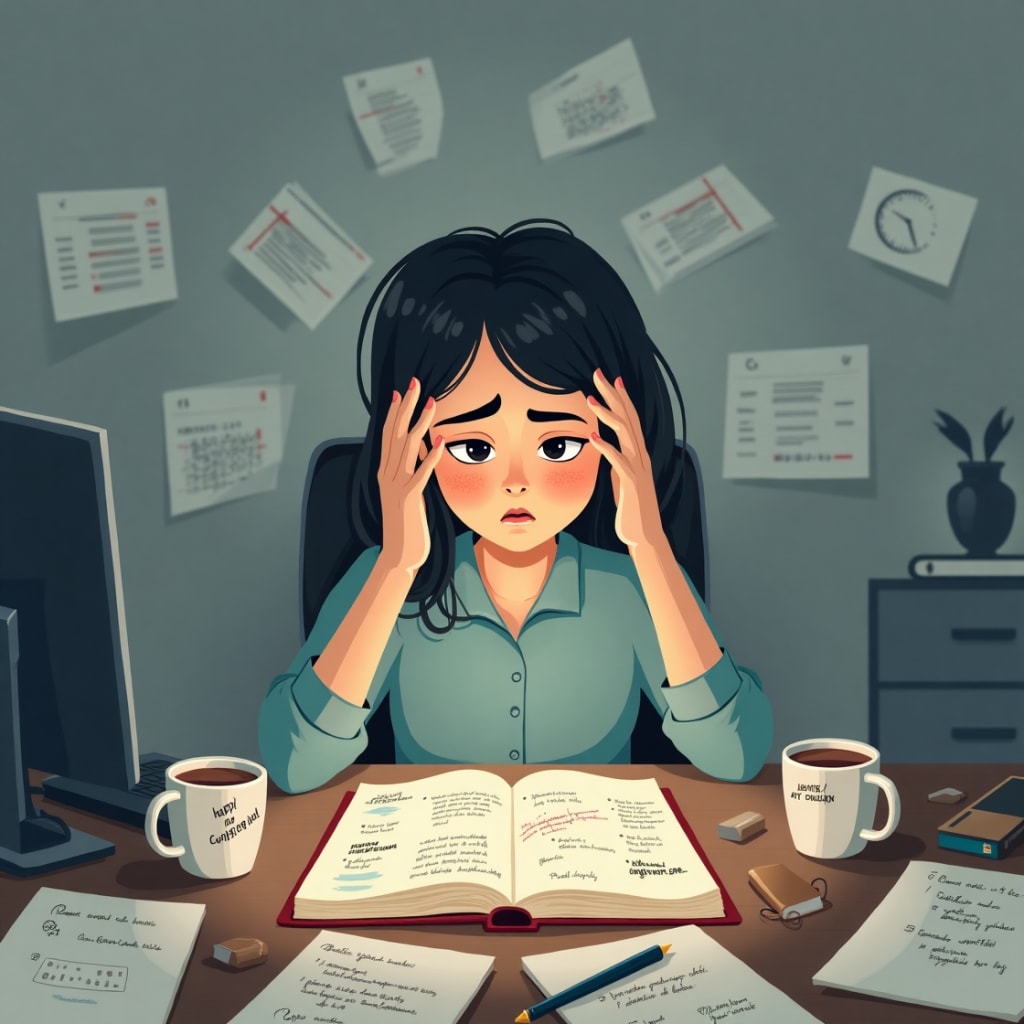
Mental health issues don’t always come from trauma, genetics, or major life changes. Sometimes, the root of anxiety, stress, or depression lies in the small, everyday habits we don't even realize are harming us. These habits often feel harmless or even productive at first, but over time, they chip away at our emotional stability and peace of mind.
In this article, we’ll uncover 7 sneaky habits that may be quietly sabotaging your mental health—and offer practical advice on how to stop them before they do serious damage.
---
1. Overthinking Everything
Overthinking is like a mental treadmill—you keep running through scenarios, doubts, and decisions but never move forward. It can cause unnecessary stress, sleepless nights, and a constant feeling of being overwhelmed.
Why it's harmful:
Creates anxiety about things you can't control
Leads to mental fatigue and indecision
Fuels self-doubt and fear of failure
What to do instead:
Practice mindfulness and focus on what’s happening now
Set a time limit for decisions
Journal your thoughts to clear mental clutter
---
2. Scrolling for Hours on Social Media
You open your phone to check one message, and suddenly an hour has passed. Social media algorithms are designed to keep you hooked—but the endless comparison and information overload can silently damage your self-esteem.
Why it's harmful:
Encourages negative self-comparison
Increases anxiety and FOMO (fear of missing out)
Reduces face-to-face interactions and real connection
What to do instead:
Set screen time limits
Unfollow accounts that make you feel inadequate
Spend time with people in real life or in nature
---
3. Neglecting Sleep
Many people sacrifice sleep for productivity or entertainment. But consistent sleep deprivation disrupts your brain’s ability to regulate emotions and cope with stress.
Why it's harmful:
Increases irritability, anxiety, and depression
Weakens memory and concentration
Worsens physical health (which also affects mood)
What to do instead:
Aim for 7–9 hours of sleep per night
Avoid screens 1 hour before bed
Build a calming bedtime routine (e.g., reading, warm tea, light stretching)
---
4. Saying Yes to Everyone but Yourself
People-pleasing may make you feel needed, but it often comes at the cost of your own needs and energy. Always putting others first leaves you emotionally drained and resentful.
Why it's harmful:
Causes burnout and emotional exhaustion
Makes you feel invisible or unworthy
Limits time for self-care and personal growth
What to do instead:
Learn to say “no” without guilt
Prioritize your time and energy
Surround yourself with people who respect your boundaries
---
5. Bottling Up Your Emotions
Many of us are taught to "stay strong" or "keep it together" by hiding our feelings. But suppressing emotions doesn’t make them disappear—it just stores them like pressure in a bottle waiting to explode.
Why it's harmful:
Leads to emotional breakdowns or sudden anger
Increases physical symptoms like headaches or chest pain
Prevents healthy emotional processing
What to do instead:
Talk to someone you trust (a friend, therapist, or mentor)
Express your feelings through writing, art, or movement
Allow yourself to feel instead of judging your emotions
---
6. Living in the Past or Future
Constantly replaying past mistakes or worrying about the future keeps you from experiencing the present moment. This mental time-travel feeds regret and anxiety, making it hard to feel content.
Why it's harmful:
Creates a cycle of guilt or fear
Steals joy from the present
Blocks healing and growth
What to do instead:
Use grounding techniques to stay present (e.g., 5-4-3-2-1 method)
Practice gratitude daily
Remind yourself: "The past is gone, the future isn’t here—what matters is now"
---
7. Neglecting Self-Care
Self-care isn’t just spa days and bubble baths. It’s the daily practice of taking care of your mental, emotional, and physical health. When we ignore our needs, we feel depleted, frustrated, and disconnected from ourselves.
Why it's harmful:
Leads to burnout and loss of motivation
Increases stress and emotional numbness
Weakens your ability to help others
What to do instead:
Schedule time for self-care like you would a meeting
Keep it simple: a walk, a favorite book, or 10 minutes of quiet
Treat self-care as a necessity, not a luxury
---
Conclusion
Your mental health is shaped not just by big life events, but also by the small choices you make every day. The habits listed above may feel routine or harmless, but over time, they can wear you down emotionally.
The good news? You have the power to change them.
Start by becoming aware of which habits apply to you. Then, replace them one at a time with healthier alternatives. Small shifts in behavior can lead to major improvements in your emotional well-being.
Remember: mental health isn’t about being happy all the time—it’s about building habits that help you stay balanced, strong, and connected to yourself and others.
About the Creator
Top 10 Questions to Ask Every Perth NDIS Service Before You Engage Them
Choosing the right National Disability Insurance Scheme (NDIS) provider shapes the quality of care, independence, and outcomes a participant experiences. In Perth, families and participants face a growing number of service options, which makes informed decision-making essential.
By Anshul Vijay2 days ago in Lifehack
9 Foods You Should Never Eat Past the Expiration Date, No Exceptions
But certain foods cross a line where the expiration date becomes about more than just quality—it’s about safety. Eating past that line can expose you to dangerous bacteria, toxins, or nutrient loss you can’t see or smell. Knowing which foods to never push beyond their expiration dates is key to keeping your kitchen safe. Here are the nine foods that are not worth the risk.
By General gyana day ago in Lifehack



Comments
There are no comments for this story
Be the first to respond and start the conversation.