
Why Are People Hunted by Depression?
Understanding the Deep Roots, Triggers, and Impact of Depression in Modern Life

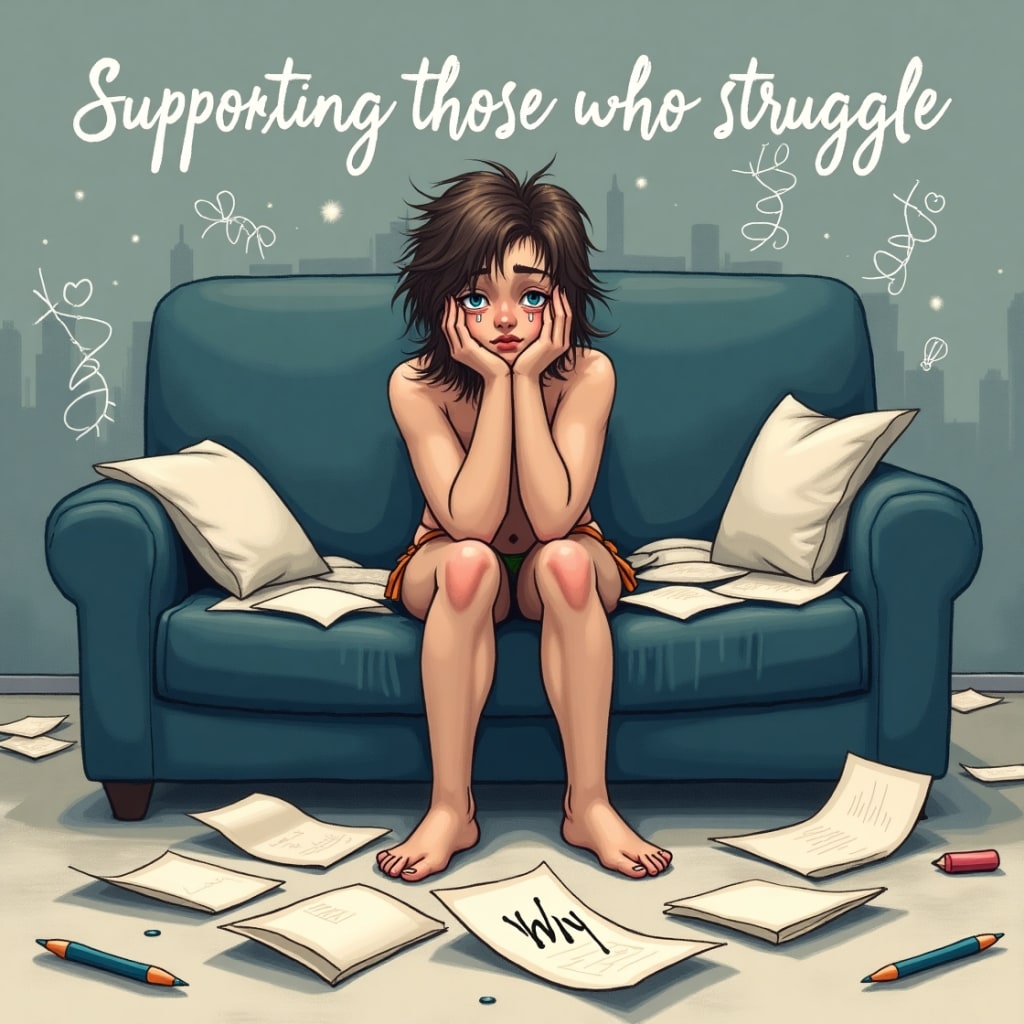
Depression is often described as a silent hunter. It sneaks up without warning, lingers for long periods, and affects millions of people regardless of age, gender, or background. It is not just sadness or a passing phase—it is a serious mental health condition that can significantly impair a person’s ability to function, form relationships, or find joy in life. But the question remains: Why are people hunted by depression? What makes it so widespread and difficult to escape?
This article explores the root causes of depression, its triggers, how modern life plays a role, and what can be done to address it.
---
What Is Depression?
Depression, also known as major depressive disorder, is a mood disorder characterized by persistent feelings of sadness, hopelessness, and a lack of interest or pleasure in most activities. It is often accompanied by physical symptoms like fatigue, sleep disturbances, changes in appetite, and difficulty concentrating.
The World Health Organization estimates that more than 280 million people globally suffer from depression. It is one of the leading causes of disability worldwide.
---
Biological and Genetic Causes
One reason people are vulnerable to depression lies within the brain and body chemistry. Depression is linked to imbalances in neurotransmitters—chemical messengers such as serotonin, dopamine, and norepinephrine that affect mood and emotion.
Genetics also play a major role. People with a family history of depression are more likely to experience it themselves. Studies suggest that certain gene variations may make some individuals more prone to depressive episodes when exposed to stress or trauma.
Additionally, hormonal changes—such as those during puberty, pregnancy, postpartum, or menopause—can contribute to the onset of depression.
---
Psychological and Emotional Triggers
Depression often begins or worsens after emotionally difficult experiences, such as:
Loss of a loved one
Abuse or trauma
Chronic stress (e.g., from relationships, school, work)
Negative thought patterns (low self-esteem, guilt, pessimism)
For many, these triggers do not just cause temporary sadness but can deeply alter self-perception and emotional stability. Over time, unresolved emotional pain can evolve into clinical depression.
---
Social and Cultural Pressures
Modern society brings with it a unique set of pressures that can fuel depression:
1. Social Media and Unrealistic Comparisons
People today are constantly exposed to curated images of others’ seemingly perfect lives. This leads to comparisons, feelings of inadequacy, and a fear of missing out (FOMO), especially among teenagers and young adults.
2. Isolation and Loneliness
Despite being more "connected" than ever, people often feel emotionally distant. Loneliness is a powerful trigger for depression, and it has been magnified by urban living, digital communication replacing face-to-face interaction, and the COVID-19 pandemic.
3. Workplace Stress and Burnout
High expectations, long hours, job insecurity, and lack of work-life balance contribute to mental exhaustion and depression. Many people feel trapped in a system that values productivity over well-being.
---
Trauma and Past Experiences
Unresolved trauma—whether physical, emotional, or psychological—can leave long-lasting scars. Survivors of abuse, bullying, neglect, or violence may carry the emotional weight for years. These traumatic experiences can disrupt brain function and emotional regulation, making individuals more vulnerable to depression.
Even childhood experiences matter. People raised in unstable, neglectful, or critical environments are more likely to struggle with mental health issues later in life.
---
Physical Health and Depression
Depression is closely linked to physical health. Chronic illnesses like heart disease, diabetes, cancer, and chronic pain conditions often lead to or worsen depression. The constant strain of managing a long-term illness can affect mental well-being, creating a cycle where poor physical health feeds emotional distress, and vice versa.
Similarly, poor diet, lack of sleep, and substance abuse can alter brain chemistry and increase the risk of depression.
---
Why Is Depression So Persistent?
Depression doesn’t simply “go away” because someone wants it to. It often involves a complex combination of biological, psychological, and social factors that reinforce one another. A person feeling sad may isolate themselves, which leads to loneliness, which deepens sadness. Over time, this feedback loop can become a mental trap.
What makes depression especially difficult to escape is the way it distorts thinking. It convinces people that they are worthless, hopeless, or a burden to others—making them less likely to seek help or believe they can recover.
---
Breaking the Cycle: Treatment and Healing
Fortunately, depression is treatable. The most effective treatments often combine several approaches:
1. Therapy
Cognitive Behavioral Therapy (CBT), talk therapy, and trauma-informed therapy help people understand their thoughts, heal from trauma, and develop healthier coping strategies.
2. Medication
Antidepressants can help regulate brain chemistry. These medications are not cures but can be a useful tool when prescribed and monitored by a doctor.
3. Lifestyle Changes
Exercise, a healthy diet, regular sleep, mindfulness, and reducing alcohol or drug use can significantly improve symptoms.
4. Social Support
Reaching out to friends, family, or support groups can combat isolation and provide a sense of connection and hope.
5. Professional Support
Psychiatrists, psychologists, counselors, and mental health hotlines are vital resources for those needing guidance and emergency help.
---
Conclusion
People are hunted by depression because of a complex web of biology, psychology, trauma, societal pressure, and disconnection. It is not a weakness, nor is it something that can be wished away. Understanding the causes and removing the stigma around depression is essential for helping people recover and thrive.
The fight against depression begins with awareness, compassion, and accessible mental health care. Whether you or someone you know is struggling, the most important message is this: You are not alone, and help is available.
About the Creator
How BIM Improves MEP Coordination for Large-Scale Projects?
In large-scale construction projects—such as hospitals, airports, commercial towers, data centers, and industrial facilities—MEP (Mechanical, Electrical, and Plumbing) systems account for nearly 30–50% of total project cost. Yet, they are also the most coordination-intensive disciplines.
By Matt Sharon5 days ago in Education
Domestic Service
Good morning, today we will be looking into Domestic service within the Victorian and Edwardian Eras. The older generation watched “Upstairs, Downstairs”, and more recently there is the very popular series “Downton Abbey”, both which accurately portray what life was like for domestic servants during these two Eras.
By Ruth Elizabeth Stiff3 days ago in Education




Comments
There are no comments for this story
Be the first to respond and start the conversation.