
6 WAYS TO LOWER YOUR BLOOD SUGAR
Diabetes and hyperglycemia.
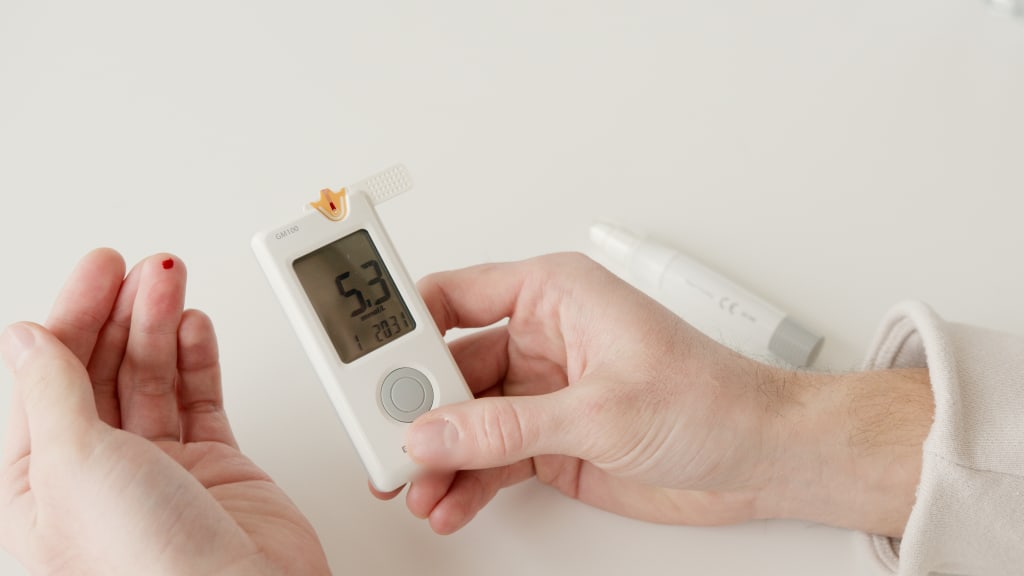
High blood sugar, or hyperglycemia, is a common problem for people with diabetes. It can also occur in people who do not have diabetes, although this is less common. High blood sugar can cause a range of symptoms and increase the risk of serious health problems, such as heart disease and stroke. However, there are several ways to lower blood sugar levels and reduce the risk of complications.
Exercising is a crucial aspect of managing blood sugar levels, particularly for people with diabetes. Regular physical activity can help lower blood sugar levels by increasing the body's sensitivity to insulin and allowing sugar to enter cells more easily. Aiming for at least 30 minutes of moderate-intensity exercise, such as brisk walking or cycling, on most days of the week can help improve blood sugar control. It is also important to choose activities that are enjoyable and sustainable, as this can help increase the chances of sticking to an exercise routine in the long term. Before starting a new exercise program, it is always a good idea to consult with a healthcare provider.

Healthy diet : This is an important part of managing blood sugar levels and reducing the risk of complications. This includes choosing foods that are high in nutrients and low in added sugars, such as whole grains, vegetables, and fruits. It is also important to limit the intake of processed and fatty foods, as well as foods that are high in added sugars, such as soda and candy. In addition to helping lower blood sugar levels, a healthy diet can also provide numerous other health benefits, such as reducing the risk of heart disease and certain types of cancer. It is always a good idea to consult with a healthcare provider or a registered dietitian for personalized dietary recommendations.

Loose excess weight : Carrying excess weight, particularly around the waist, can increase the risk of high blood sugar and other health problems. Losing weight through diet and exercise can help lower blood sugar levels and improve insulin sensitivity. There are many different weight loss strategies that can be effective, including reducing calorie intake, increasing physical activity, and making healthy food choices. It is important to choose a weight loss plan that is safe, sustainable, and suitable for your individual needs. Working with a healthcare provider or a registered dietitian can be helpful in developing a plan that meets your specific needs and goals.

Taking medications as prescribed by a healthcare provider is an important part of managing blood sugar levels, particularly for people with diabetes. Medications for diabetes may include insulin injections or oral medications that help lower blood sugar levels. It is important to follow the instructions provided by your healthcare provider and to take your medications as prescribed. This can help you achieve and maintain healthy blood sugar levels and reduce the risk of complications. If you have any questions or concerns about your medications, it is important to discuss them with your healthcare provider. They can help you understand how to take your medications safely and effectively.

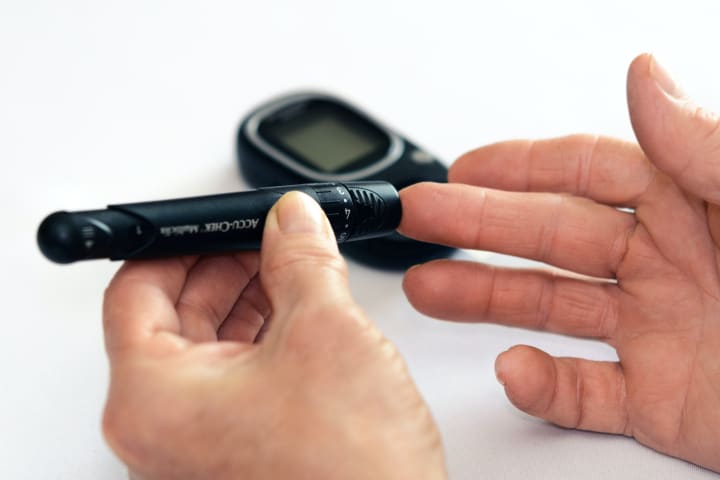
Monitoring blood sugar levels regularly is an important aspect of managing blood sugar and reducing the risk of complications. There are several ways to check blood sugar levels, including using a blood glucose meter, which involves taking a small drop of blood from the fingertip and applying it to a test strip. Some people may also use a continuous glucose monitor, which measures blood sugar levels continuously throughout the day and night. Monitoring blood sugar levels can help you understand how different activities and foods affect your levels and make adjustments to your diet and lifestyle accordingly. It is always a good idea to discuss your blood sugar monitoring plan with a healthcare provider to ensure that you are using the most appropriate methods and frequency for your needs.
Reducing stress can be an important part of managing blood sugar levels and reducing the risk of complications. Chronic stress can increase the risk of high blood sugar and other health problems. Engaging in stress-reducing activities, such as meditation, yoga, or deep breathing, can help lower blood sugar levels and improve overall health. It is also important to find healthy ways to cope with stress, such as talking to a friend or therapist, taking a walk, or practicing relaxation techniques. It is always a good idea to talk to a healthcare provider about ways to manage stress, particularly if it is affecting your blood sugar levels or overall health.

By following these tips, you can help lower your blood sugar levels and reduce the risk of complications. It is important to work with your healthcare provider to develop a plan that is right for you.
I really hope You liked the article.
Find out what is my personal No1 way to lower blood sugar FAST !
About the Creator
Keep reading
More stories from Tomasz Fiejtek and writers in Lifehack and other communities.
How to look after your dog.
If you have a furry friend at home, you know that dogs can bring joy and companionship to our lives. However, as with any pet, looking after a dog requires time, effort, and responsibility. In this article, we'll go over some essential tips for looking after your dog and ensuring their health, happiness, and well-being.
By Tomasz Fiejtek3 years ago in Petlife
Moving in Palm Beach Gardens: How to Choose the Right Moving Company
Relocating in Palm Beach Gardens, Florida, is often associated with a calm and orderly lifestyle, but the moving process itself requires careful preparation. While the city is known for its planned communities and wide roads, local moves still involve details that can easily be overlooked. Understanding these factors ahead of time can help residents avoid unnecessary stress and delays.
By House Doctor2 days ago in Lifehack




Comments
There are no comments for this story
Be the first to respond and start the conversation.