
6 Simple Tips for a Healthy Life
Small Habits That Make a Big Difference
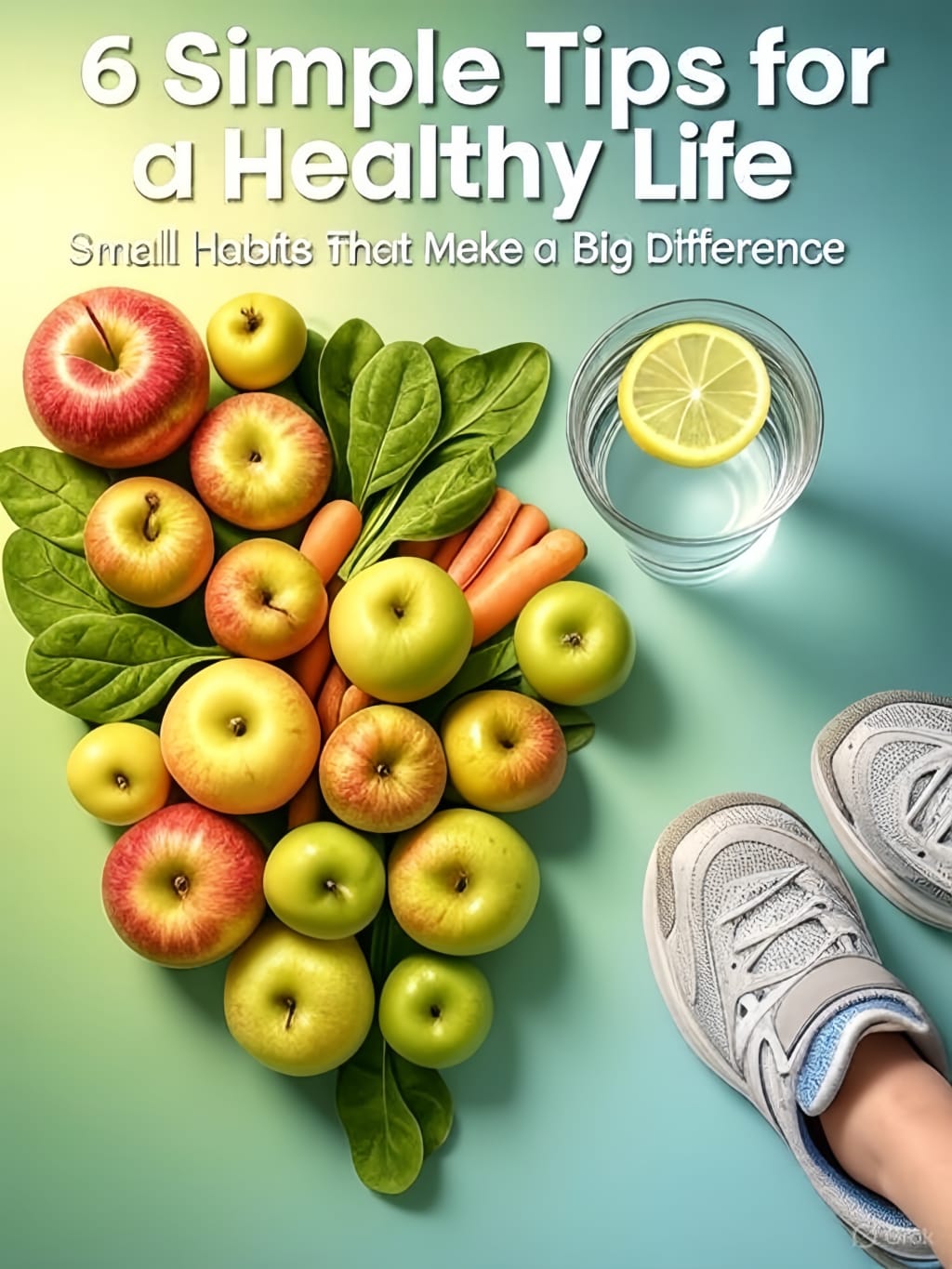
1. Prioritize Balanced NutritionA healthy diet is the cornerstone of a vibrant life. You don’t need to follow restrictive diets or eliminate entire food groups to eat well. Instead, focus on balance and variety. Include a mix of whole grains, lean proteins, healthy fats, and plenty of fruits and vegetables in your meals. According to the World Health Organization, a diverse diet rich in nutrients supports immune function, reduces the risk of chronic diseases, and promotes overall vitality.Start by making small tweaks: swap processed snacks for fresh fruit, choose whole-grain bread over white, or add a handful of leafy greens to your plate. Hydration is equally crucial—aim to drink at least 8 glasses of water daily to keep your body functioning optimally. If you’re prone to mindless eating, practice portion control by using smaller plates or eating slowly to give your brain time to register fullness.For those with busy schedules, meal prepping can be a game-changer. Spend a few hours on the weekend preparing healthy meals to avoid relying on fast food during the week. Remember, moderation is key. Allowing yourself occasional treats prevents feelings of deprivation and helps maintain a sustainable approach to eating.
2. Move Your Body DailyPhysical activity is essential for a healthy life, but you don’t need to spend hours in the gym to reap its benefits. The American Heart Association recommends at least 150 minutes of moderate aerobic activity or 75 minutes of vigorous exercise per week. This can be as simple as a 30-minute brisk walk five days a week, a bike ride, or a dance session in your living room.Find activities you enjoy to make exercise feel less like a chore. If you’re new to fitness, start small—take the stairs instead of the elevator or do a 10-minute stretching routine in the morning. Incorporating movement into your daily routine, like walking while taking phone calls or doing bodyweight exercises during TV commercial breaks, can add up over time.Exercise not only strengthens your body but also boosts mood by releasing endorphins, reduces stress, and improves sleep quality. Consistency matters more than intensity, so aim for regular movement rather than sporadic intense workouts.
3. Get Quality SleepSleep is often overlooked, but it’s a critical pillar of health. Adults need 7–9 hours of quality sleep per night to allow the body to repair, the brain to process information, and the immune system to recharge. Poor sleep is linked to weight gain, impaired focus, and a higher risk of conditions like heart disease and diabetes.To improve sleep, establish a consistent bedtime routine. Avoid screens at least an hour before bed, as blue light from phones and computers can disrupt melatonin production. Create a relaxing bedroom environment—keep it dark, cool, and quiet. Practices like reading, meditating, or taking a warm bath can signal to your body that it’s time to wind down.Caffeine and heavy meals close to bedtime can interfere with sleep, so try to limit them. If stress keeps you awake, jot down your thoughts in a journal to clear your mind. Prioritizing sleep isn’t selfish; it’s an investment in your health and productivity.
4. Manage Stress EffectivelyChronic stress can wreak havoc on your body, contributing to high blood pressure, weakened immunity, and mental health challenges like anxiety and depression. Learning to manage stress is vital for a healthy life. Simple mindfulness practices, such as deep breathing exercises or a 5-minute meditation, can lower cortisol levels and promote calm.Incorporate stress-relieving activities into your day, like spending time in nature, practicing yoga, or engaging in a hobby you love. Social connections also play a role—talking to a trusted friend or family member can provide perspective and emotional relief. If stress feels overwhelming, consider professional support, such as therapy or counseling, to develop coping strategies.Setting boundaries is another powerful tool. Learn to say no to commitments that drain your energy and carve out time for self-care. By managing stress proactively, you protect both your mental and physical health.
5. Stay Connected and Build RelationshipsHumans are social beings, and strong relationships are linked to better health outcomes. Studies show that people with supportive social networks tend to live longer, have lower stress levels, and recover faster from illnesses. Make time to nurture your relationships, whether it’s a quick call to a friend, a family dinner, or joining a community group.Small gestures, like sending a thoughtful message or checking in on a loved one, can strengthen bonds. If you feel isolated, consider volunteering or participating in local events to meet new people. Quality matters more than quantity—focus on meaningful connections rather than a large social circle.For those working remotely or living alone, combating loneliness requires effort. Schedule regular virtual or in-person meetups to stay engaged. Building a sense of belonging not only boosts happiness but also supports long-term health.
6. Practice Gratitude and Positive ThinkingYour mindset plays a powerful role in your health. Practicing gratitude and fostering a positive outlook can reduce stress, improve sleep, and enhance emotional resilience. A 2017 study published in Personality and Individual Differences found that grateful individuals report higher life satisfaction and fewer physical symptoms.Start a gratitude journal and write down three things you’re thankful for each day, no matter how small. This simple habit rewires your brain to focus on the positive. When faced with challenges, try reframing negative thoughts—for example, view a setback as an opportunity to learn rather than a failure.Surround yourself with positive influences, whether it’s uplifting books, podcasts, or people who inspire you. Limit exposure to negative news or social media that fuels comparison or anxiety. Cultivating optimism doesn’t mean ignoring problems; it means approaching them with hope and confidence.Making It Work: Small Steps, Big ImpactAdopting these six tips doesn’t require an overhaul of your life. Start with one or two habits that feel manageable and build from there. For example, commit to drinking more water and taking a 10-minute walk daily. Once those feel natural, add another habit, like a bedtime routine or gratitude practice. The key is consistency—small actions, done regularly, compound over time to create transformative results.Track your progress to stay motivated. Use a habit-tracking app or a simple notebook to mark your daily efforts. Celebrate milestones, like a month of better sleep or sticking to your exercise routine, to reinforce your commitment. If you slip up, don’t be hard on yourself—just refocus and keep going.Final ThoughtsA healthy life is within your reach, and it starts with simple choices. By nourishing your body, staying active, prioritizing sleep, managing stress, fostering relationships, and cultivating positivity, you lay the groundwork for a fulfilling and vibrant life. These habits aren’t about perfection but about progress. Embrace them with patience and intention, and you’ll be amazed at the difference they make.
About the Creator
Keep reading
More stories from Muhammad Saeed and writers in Lifehack and other communities.
How I Escaped a Toxic Relationship and Rebuilt My Life
No one ever walks into a relationship thinking it will break them. I didn’t either. When I first met him, I thought I had found my person — someone who understood me, made me laugh, and made me feel seen. He was charming, attentive, and knew exactly what to say to make me feel special. I let my guard down. I trusted. I believed.
By Muhammad Saeed9 months ago in Motivation
Top 10 Side Effects of Chia Seeds You Should Know
Chia seeds have gained huge popularity in recent years as a superfood. From smoothies and puddings to salads and oatmeal, these tiny seeds are often praised for their high fiber, omega-3 fatty acids, and protein content. Many people include them in their daily diet to support weight loss, digestion, and overall health.
By Veronica Bennetta day ago in Lifehack


Comments
There are no comments for this story
Be the first to respond and start the conversation.