
6 myths and 3 truths about hard water
Uncovering the facts on hard water
Water is an essential commodity that can either be hard or soft. Over the years, there have been many myths and misconceptions about hard water. Well, this is rumour control here with the facts! We look at 6 myths to provide the facts, alongside 3 truths about hard water you may not know.
Myth No. 1: Hard water is damaging to our health
Hard water contains extra minerals not found in soft water. For that reason, many people have also assumed hard water is contaminated or that minerals can be damaging to our health. Some people even believe that hard water can cause kidney stones (or gallstones).
The truth:
The truth is hard water is not damaging to our health. The minerals found in hard water are calcium and magnesium. These are minerals our bodies need for various functions, including bone health, regulating muscle function, and keeping our blood sugar levels healthy.
The extra minerals found in hard water help contribute to our daily mineral intake. In no way do these minerals ‘contaminate’ hard water. On the issue of kidney stones, hard water is not a direct influence factor.
Drinking plenty of water can help reduce your risk of large kidney stones forming. Kidney stones are a result of waste products from our blood that crystalises and collects in the kidneys. According to the NHS, staying hydrated is one of the top tips for reducing the risk of getting kidney stones.
Myth No. 2: Hard water can clog up all your pipes
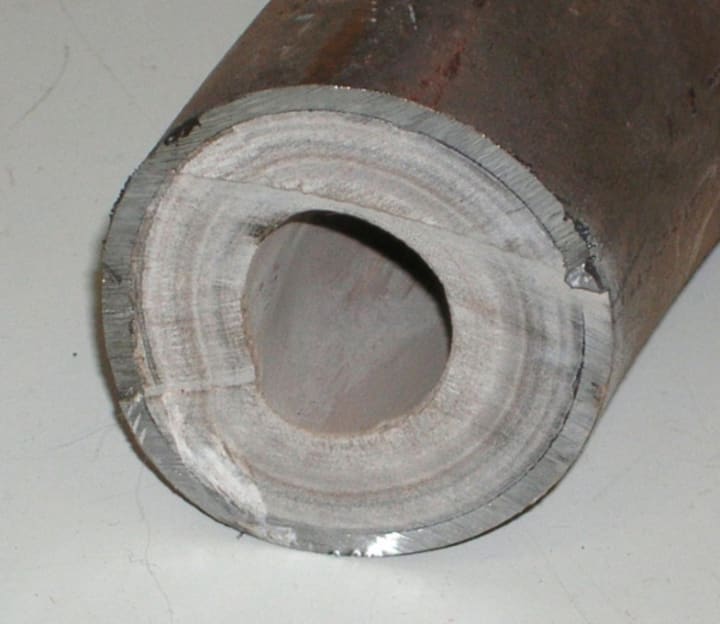
Those with hard water supplies will experience deposit build-ups, particularly on water outlets. You may have seen this more clearly inside your kettle. That has led to some people believing the same hard water deposits occur inside pipes, which leads to them clogging up.
The truth:
There is some truth to this myth, but only some! Depending on the type of pipes you have will depend on whether hard water deposits clog them up. When heated, the minerals in hard water crystalise to form limescale. Over time, this scale build-ups by bonding with existing limescale.
Scale from hard water can build up inside your pipes but are more affected in steel pipes. Any homes built between the 1940s and 1970s used steel galvanized pipes. These are prone to scale build-ups. Since the 70s, homes have used copper pipes that are more resistant to scale and corrosion.
Myth No. 3: Rainwater is naturally hard

Many people believe that because water is hard, rainwater must be hard. After all, precipitation is water evaporating into water vapour to re-enter the atmosphere ready to fall back as rain. So naturally, rainwater must be hard, right?
The truth:
There isn’t any truth to this myth at all. Rainwater is not hard. It’s naturally soft. Rainwater becomes hard as water dissolves rocks such as limestone or chalk. The minerals from the rocks are dissolved into the water, thereby making it hard. The greater the mineral content, the harder the water.
Check the water hardness in your area using this map
Myth No. 4: Hard water tastes bad

We’ve already covered the health benefits the additional minerals can provide from drinking hard water. But what about the taste? The taste of hard water is a bit like marmite, some like it while others hate it. So, does hard really taste bad?
The truth:
The answer is it’s down to personal preference (or taste). No more, no less. Some believe that hard water tastes bitter and unpleasant. Boiling the water won’t make things better either. The minerals are still present, but the air is removed (from quick boiling). This can leave the water tasting flat.
Myth No. 5: You can filter hard water using a softener or descaler
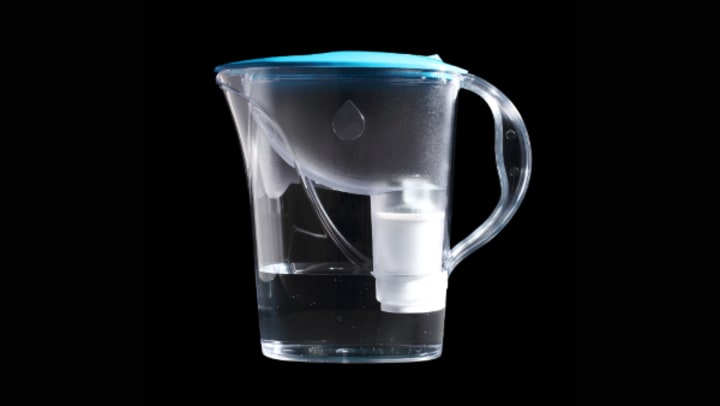
Filtering water can help you to get better quality water that is free from any impurities. Filtering water helps to remove any unwanted impurities such as bacteria, taste and odour. It can also remove any sediments in the water. This has led people to believe that filtering water can soften it.
The truth:
Filtering water does not soften water. While it may help to purify water and make it safer to drink, it doesn’t change or alter water hardness. If you wanted to get soft water, you would need to use a water softener. Similarly, a water descaler retains the minerals but eliminates the associated problems.
Myth No. 6: You cannot treat hard water
This myth somewhat derives from the last one, that once water is hard, you cannot treat it or make it soft again. As the minerals are not contaminants of the water, instead affecting the molecular level of water, how can the mineral be removed?
The truth:
Depending on what you want to achieve, there are two ways you can ‘treat’ hard water. The first is using a water softener. As the name suggests, a water softener makes hard water soft by replacing the minerals with sodium, potassium, or salt. This can leave the water unsuitable for drinking or cooking.
The second option is a water descaler. A water descaler does not soften the water, but it doesn’t add any extra chemicals or minerals like a water softener either. Instead, a water descaler affects the mineral ions to prevent them from forming limescale. That way, you still get the nutrient benefits without the worry of annoying and unsightly scale deposits.
Truth No. 1: Hard water can cause skin and hair damage

Now that we’ve set the record straight on some hard water misconceptions, it’s time to look at 3 truths (or facts) you may not know. First up, did you know that hard water can cause damage to your skin and hair?
That’s because the minerals in hard water are bad reactants to the fatty acids found in soaps. That’s why getting a lather is all the more difficult with hard water. It also leads to a soap scum layer forming on your skin.
This layer that forms on your skin is difficult to wash off and leads to skin pours becoming clogged and blogged. When the pours on our skin become blocked, the natural oils that help keep our skin moisture becomes disrupted, stripping moisture from the skin. This leads to dryness and irritation.
Hard water can also contribute to acne, again due to the pours clogging. These problems can also contribute towards the development of eczema (an inflammatory skin condition) or make eczema conditions worse.
The same rings true for your scalp and hair. Scalps can become itchy, red, irritated, and dry. Hair can also look flat, greasy, become brittle, or dry from washing with hard water.
Truth No. 2: Hard water affects washing quality
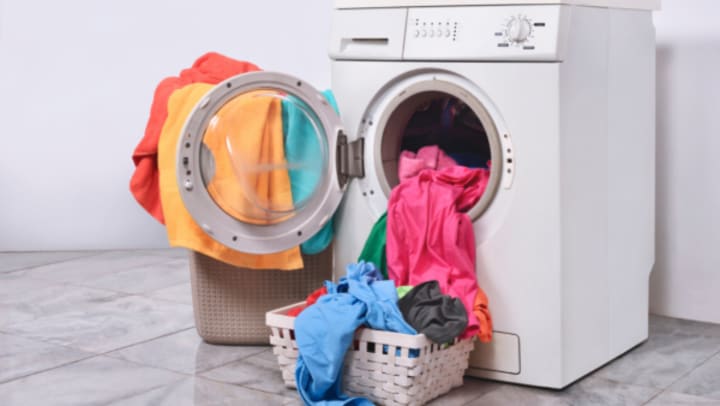
Your hair and skin are not the only issues hard water can cause. It can also affect the quality of your washing, both clothes and dishes. We already mentioned that hard water struggles to form a soap lather. This makes it difficult for cleaning.
In the same way that your hair and skin may not be as clean as you think when washing with hard water, the same goes for your clothes. Washing clothes in hard water can leave them with scale deposits (a similar situation to your skin).
Over time, these deposits can trap soils and odours, such as body odour. Hard water can also leave your washing feeling a little stiff or rough or colours looking a little washed out! No matter what detergent you use or how much, it’s never going to make much difference.
As for your dishes, scale residue can sometimes be left on glasses or cutlery. That darn mark that is always left when the dishwasher has finished! They can be just as stubborn to remove as your bathroom and kitchen surface water marks.
Truth No. 3: Water descalers are not expensive to run
Given the problems that hard water can cause, some people will want to put an end to all those dastardly hard water nuisances. That’s where an electronic water descaler comes in. These are small convenient devices that take the pain out of hard water.
But some people believe that as these devices are continually working, they can soon rack up a large amount on your energy bills. Depending on the make and model, most water descalers operate using a very low power consumption.
A descaling device will operate at a wattage of between 2.5 and 10. That means these devices require a very small amount of electrical energy to operate. Once installed, these devices can be left to their own devices and require very little (if any) maintenance.
While running a water descaler will add a small cost to your energy bills, this can be as low as 18p per month. You’ll save much more than that by buying less soap and detergent! You won’t need to fork out on all those extra cleaning items either as scale build-ups will be no more.
Hopefully, we managed to clear up some of the uncertainties or misconceptions surrounding hard water. Knowing the facts about hard water will allow you to decide whether to consider hard water solutions, such as a water descaler. You may be surprised at how much you could benefit!
About the Creator
Keep reading
More stories from Aaron Middleton and writers in Lifehack and other communities.
How hard is my water and should I look for a solution?
Water is an essential part of our daily lives, whether for drinking, washing, cooking, or cleaning. Yet one aspect of water that many homeowners experience is hard water. But what is hard water, why is it so bad, and should you look for a solution? Let’s take a look…
By Aaron Middletonabout a year ago in Lifehack
7" Simple Daily Habits that can change your life
7 Simple Daily Habits That Can Change Your Life Life can often feel overwhelming. With endless responsibilities, constant notifications, and the pressure to succeed, it’s easy to lose track of what really matters. But the good news is, making small, consistent changes in your daily routine can have a huge impact on your overall well-being, happiness, and productivity. Here are seven simple daily habits that, if practiced consistently, can truly change your life. 1. Wake Up Early
By Kawtar Aithammou3 days ago in Lifehack
10 Questions to Ask a Painter Before You Sign a Contract
Hiring a painter may seem straightforward, but many Australian homeowners and business owners only realise the risks after they sign a contract. Poor preparation, vague quotes, and unclear responsibilities often lead to budget overruns, delays, or substandard results.
By Anshul Vijay2 days ago in Lifehack
How, Too
Many people wonder how, too. You are not alone, and I am an expert. I will teach you how, too! First, you need to remit a small application fee and fill out an application describing the nature of your financial situation and how often payments will be made, as this will have great bearing on how well I teach you how, too.
By Harper Lewis5 days ago in Fiction



Comments
There are no comments for this story
Be the first to respond and start the conversation.