
5 Signs Your Gut Needs Attention
Your gut isn't just a digestive powerhouse!

Your gut isn't just a digestive powerhouse—it's often called the "second brain" because it influences everything from your mood and energy levels to your immune system and skin health. Home to trillions of microorganisms known as the gut microbiome, this intricate ecosystem helps break down food, absorb nutrients, and fend off harmful invaders. When it's out of balance—a condition called dysbiosis—problems can arise far beyond bloating or indigestion. Poor gut health affects nearly 70 million Americans annually through digestive diseases like IBS and GERD. Ignoring the warning signs can lead to chronic inflammation, weakened immunity, and even mental health challenges. The good news? Recognizing these red flags early and making simple lifestyle tweaks can restore balance and boost your overall wellbeing. Here are five key signs your gut is crying for help, backed by science, plus actionable steps to turn things around.
1. Persistent Digestive Discomfort: Bloating, Gas, Constipation, or Diarrhea
The most obvious clue is right in your belly. Frequent bloating, excessive gas, heartburn, constipation (fewer than three bowel movements a week), or diarrhea (three or more loose stools daily) signal that your gut is struggling to process food and eliminate waste. These issues often stem from an imbalanced microbiome where harmful bacteria outnumber the good ones, leading to fermentation overload and inflammation.
Why does this happen? A diet low in fiber or high in processed foods starves beneficial bacteria, while stress or antibiotics can wipe them out entirely. If you're constantly reaching for antacids or feeling "stuck," it's time to listen.
Simple Steps to Improve: Boost fiber intake gradually with whole foods like oats, beans, apples, and broccoli—aim for 25-35 grams daily. Stay hydrated (at least 8 glasses of water a day) to keep things moving, and try fermented foods like yogurt or kefir for natural probiotics.
2. Unexplained Fatigue and Sleep Disturbances
Feeling wiped out despite a full night's rest? Your gut could be the culprit. About 95% of serotonin—the neurotransmitter that regulates mood and sleep—is produced in the gut. An unhealthy microbiome disrupts this production, leading to insomnia, poor sleep quality, and chronic tiredness. Studies link gut imbalances to fatigue in nearly half of IBS sufferers.
This gut-brain axis connection means inflammation from dysbiosis sends stress signals upstairs, creating a vicious cycle of exhaustion.
Simple Steps to Improve: Prioritize 7-9 hours of sleep nightly and manage stress with yoga or meditation—these practices enhance nutrient absorption and calm the gut-brain link. Add prebiotic-rich foods like garlic, onions, and bananas to feed sleep-supporting bacteria.
3. Skin Issues Like Acne, Eczema, or Rashes
Your skin reflects what's happening inside. Inflammation from a leaky gut—where toxins slip through weakened intestinal walls—can trigger breakouts, rosacea, or eczema. Research shows the immune system's tie to the microbiome plays a key role in skin health; imbalances increase systemic inflammation, manifesting as irritated skin.
If topical treatments aren't cutting it, look deeper—processed sugars and low-fiber diets often fuel the fire.
Simple Steps to Improve: Cut added sugars, which promote bad bacteria overgrowth. Incorporate anti-inflammatory foods like fatty fish, berries, and turmeric. Probiotic skincare or supplements may help, but focus on diet first for lasting results.
4. Mood Swings, Anxiety, or Brain Fog
Ever feel "hangry" or inexplicably irritable? The gut produces neurotransmitters like serotonin and dopamine, so dysbiosis can lead to anxiety, depression, or foggy thinking. Chronic gut inflammation triggers pro-inflammatory cytokines that affect the brain, worsening mood disorders.
This bidirectional gut-brain communication explains why stress worsens digestion—and vice versa.
Simple Steps to Improve: Exercise 150-270 minutes weekly; it boosts microbial diversity and reduces stress hormones. Eat mood-boosting fermented foods like sauerkraut or kimchi, and consider mindfulness practices to break the cycle.
5. Unintentional Weight Changes or Food Intolerances
Gaining or losing weight without diet shifts? Or sudden sensitivities to foods like dairy or gluten? An imbalanced gut impairs nutrient absorption and hormone regulation (like ghrelin for hunger), leading to cravings, overeating, or malabsorption. Food intolerances arise when poor bacteria quality hinders digestion.
- High-sugar diets exacerbate this by favoring harmful microbes.
Simple Steps to Improve: Adopt a plant-rich diet with diverse veggies, fruits, and legumes for microbial variety. Try an elimination diet to identify triggers and limit ultra-processed foods.
- Reclaiming Your Gut Health: A Holistic Approach
Healing your gut doesn't require fancy supplements (though probiotics from food sources like live yogurt can help if tolerated). Start with these evidence-based habits:
- Diversify Your Plate: Aim for 30+ plant foods weekly to feed beneficial bacteria.
- Move Daily: Moderate exercise enhances microbiome resilience.
- Prioritize Rest and Stress Relief: Sleep and relaxation directly support gut repair.
- Hydrate and Ferment: Water flushes toxins; fermented foods rebuild flora.
If symptoms persist, consult a doctor—conditions like SIBO or leaky gut may need targeted care. By addressing these signs now, you'll not only ease discomfort but unlock better energy, clearer skin, sharper focus, and stronger immunity. Your gut thanks you in advance!
About the Creator
Keep reading
More stories from writers in Lifehack and other communities.
I Stopped Chasing Money—And This One Lifehack Quietly Made Me Richer
For years, I believed making money was about working harder, longer, and pushing myself to the limit. I thought if I just stayed busy enough—if I said yes to every opportunity and filled every hour of my day—money would naturally follow.
By Lukáš Hrdlička5 days ago in Lifehack
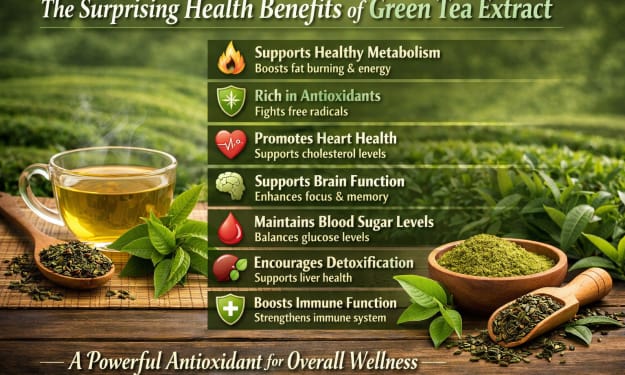
The Surprising Health Benefits of Green Tea Extract
In the world of natural wellness, few ingredients have gained as much attention as green tea extract. Used for centuries in traditional practices and now backed by modern research, this powerful plant compound offers a wide range of health benefits. If you're looking for a natural way to support your overall well-being, green tea extract might be worth understanding.
By Nenci Gajera 4 days ago in Lifehack
Cassie and Johnny
I’m the kind of dame you notice. I’m no femme fatale, but you can’t ignore me, at least not until I warn you about what’s coming, then everybody ignores me. Hell, they usually blame me afterwards and give Johnny all the credit for saving the day, but my Johnny couldn’t save a seat at the movies without my help. Sure, he’s brawny, but brainy? Not so much. Like that time I asked him to spot me five bucks, and he said he didn’t see it anywhere on me, and believe you me, he looked but good.
By Harper Lewis5 days ago in Critique



Comments
There are no comments for this story
Be the first to respond and start the conversation.