
3 conditions I see as a Sutton Coldfield Physiotherapist
Physiotherapist in Sutton Coldfield
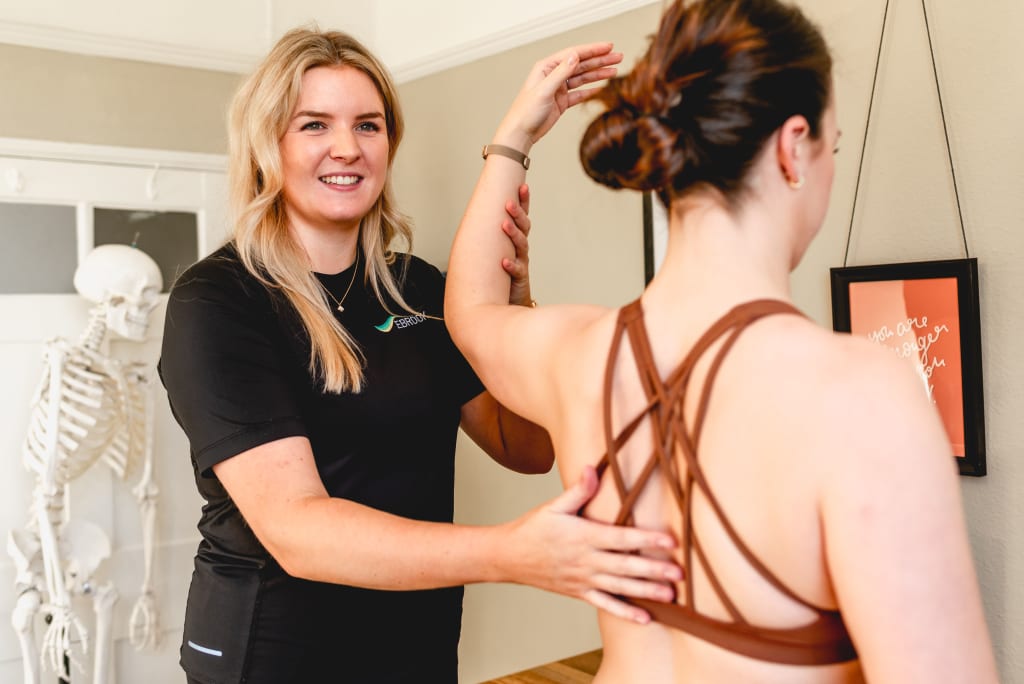
In my role as a physiotherapist at Ebrook Clinic in Sutton Coldfield, I encounter a diverse range of health conditions reflective of our community's varied needs. From sports injuries to chronic pain management, each patient at Ebrook presents a unique case, requiring personalised care. This dynamic clinic setting enriches my professional experience and underscores the importance of adapting my skills to meet the evolving needs of our vibrant community. Here are three prevalent conditions that I frequently address:
1. Musculoskeletal Injuries:
In Sutton Coldfield, where an active lifestyle is prevalent, musculoskeletal injuries are common occurrences, spanning from sports-related strains to workplace accidents. At Ebrook, I frequently encounter patients grappling with a diverse array of conditions such as sprained ankles from football matches, repetitive strain injuries from office work, and back pain from manual labour.
To address these issues, I employ a multifaceted approach encompassing manual therapy techniques, bespoke exercise regimes, and targeted rehabilitation strategies. By tailoring treatment plans to alleviate pain, restore mobility, and prevent future injuries, I strive to expedite the healing process and empower patients to resume their daily activities with confidence and resilience.
Alongside the usual muscle and joint injuries, you’d expect in an active community, like sprains and strains, I also see less common ones such as frozen shoulder, tennis elbow, and plantar fasciitis. These need special attention and treatments designed for each person’s needs, and sometimes alternative manual treatment methods might be used such as dry needling or shockwave therapy where shockwave therapy is a non-invasive treatment that uses high-energy sound waves to stimulate healing and reduce pain in musculoskeletal conditions.
2. Chronic Pain Syndromes:
Chronic pain is a widespread issue that profoundly affects individuals' quality of life, often manifesting in conditions such as persistent back pain, debilitating arthritis, and the widespread discomfort of fibromyalgia. Managing these conditions requires a multifaceted approach that addresses both the physical and psychological aspects of pain. Alongside traditional treatments, I incorporate shockwave therapy as mentioned earlier, to stimulate the body's natural healing response. This method not only reduces pain but also promotes tissue regeneration, offering lasting relief for patients.
Additionally, I emphasise the concept of the pain curve, where the pain curve concept illustrates how chronic pain fluctuates over time, from onset and peak intensity to gradual resolution, thus, helping individuals understand and manage their symptoms better.
By guiding patients through the stages of acute and chronic pain while providing education on pain management strategies and coping mechanisms, I hope to empower patients to take an active role in their pain management journey. Not only by equipping them with the tools to navigate flare-ups and setbacks, but also fostering a sense of control and resilience, ultimately improving their overall well-being.
3. Post-Surgical Rehabilitation:
Following surgical procedures such as joint replacements or ligament repairs, rehabilitation is essential for optimising recovery outcomes. As a physiotherapist, I collaborate closely with patients to develop personalised rehabilitation plans and exercise programmes tailored to their specific needs and goals. This collaborative approach ensures that everyone receives the most effective and tailored care possible, addressing their unique circumstances and aspirations for recovery. Through a combination of targeted exercises, hands-on therapy, and progressive strengthening techniques, I work alongside patients to support them in regaining strength, mobility, and function.
Post-surgical physiotherapy includes gentle stretches for joint flexibility, targeted exercises to rebuild muscle strength, and hands-on techniques for pain relief and mobility improvement. Gait training corrects walking patterns, while modalities like ice or heat therapy manage pain. Education on posture and self-care aids in optimal recovery. By incorporating these evidence-based interventions and closely monitoring progress, I strive to facilitate a smooth and successful recovery process.
In conclusion, as a physiotherapist in Sutton Coldfield, I provide comprehensive care for a range of health conditions. By utilising evidence-based interventions and working closely with patients, I strive to improve their quality of life and support them on their journey to optimal health and wellness.
About the Creator
Keep reading
More stories from Chris Evans and writers in Lifehack and other communities.
Osteopathy: A Natural Approach to Healing and Wellness
Osteopathy is a holistic form of healthcare that focuses on the musculoskeletal system and its impact on overall health and wellbeing. This practice was developed in the late 1800s by Dr. Andrew Taylor Still, who believed that the body has the ability to heal itself with the right conditions and treatments.
By Chris Evans3 years ago in Lifehack
How a Travel Companion Can Reduce Stress and Improve Mobility
Navigating unfamiliar routes, managing schedules, and maintaining safety can turn a simple trip into a challenge. This is where a travel companion makes a real difference. For seniors, having a travel companion elderly ensures that travel is not only enjoyable but also safe, comfortable, and stress-free.
By Lola Gold Finchabout 11 hours ago in Lifehack
How to Choose the Right Moving Company in Boise, Idaho
Moving in Boise, Idaho, has become increasingly common as the city continues to grow and attract new residents. While Boise offers a balanced lifestyle and accessible neighborhoods, relocating within or into the area still requires thoughtful planning. Choosing the right moving company and understanding local conditions can make a significant difference between a smooth transition and a stressful experience.
By House Doctorabout 14 hours ago in Lifehack



Comments (1)
This is a nice work