
12 Most Healthiest Beans You Must Eat Daily
Healthy Food

Hi viewers! Did you know that there are more than 400 types of edible dry beans grown around the world? From the hearty kidney beans adorning chili in the Americas to the creamy aduki beans sweetening desserts in Asia, each variety carries a unique flavor and history. Despite their ubiquity, beans hide a surprising fact: they were one of the first cultivated crops, with evidence dating back over 7,000 years in some parts of the world.
Packed with protein, fiber, and essential nutrients, they offer a powerful antidote to the rising tide of chronic diseases. However, despite their abundant varieties, one may not be well aware of their unique benefits. That's why, in today's article, we have mentioned the 12 healthiest varieties of beans.
Black Beans: Black beans bolster health through a rich composition that targets various bodily functions, weaving a web of benefits that starts with their high dietary fiber content. Soluble fiber, found in foods like beans, forms a gel-like substance when it comes into contact with water. This gel slows down the digestion and absorption of carbohydrates, leading to a more gradual release of glucose into the bloodstream.
This slower absorption helps prevent spikes in blood sugar levels following meals. Moreover, regular intake of dietary fiber, especially soluble fiber, may improve the body's sensitivity to insulin. Improved insulin sensitivity means the body is more efficient at using available insulin to lower blood sugar levels, which is particularly beneficial for individuals with type 2 diabetes. Research suggests that if people eat black beans with rice, the beans may reduce this rise in blood sugar compared with rice alone.
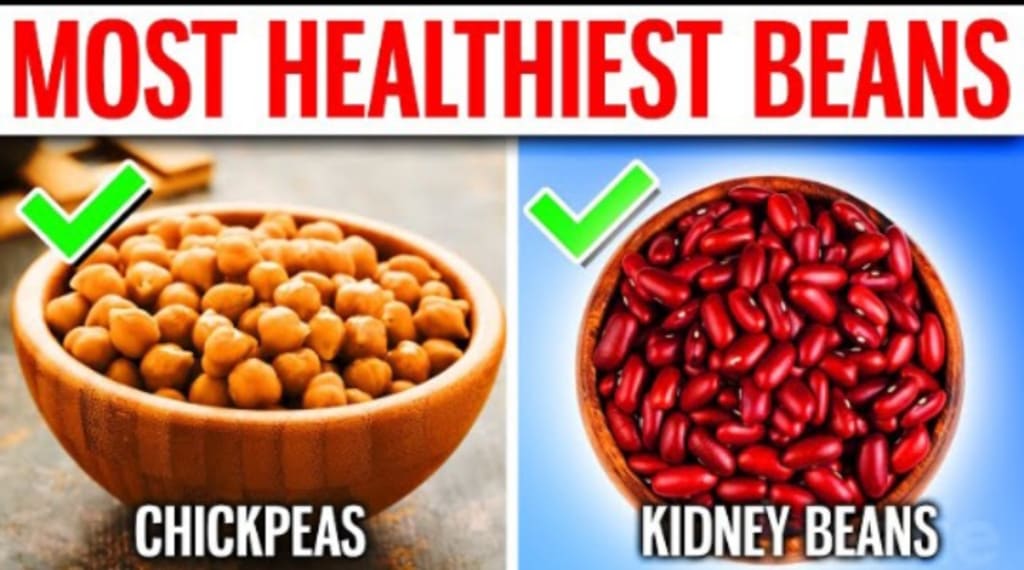
Chickpeas (Garbanzo Beans): Chickpeas, also known as garbanzo beans, are a treasure trove of nutrients that play significant roles in maintaining and enhancing overall health. For instance, chickpeas are a good source of iron, a crucial element in the formation of hemoglobin, which is responsible for carrying oxygen from the lungs to all parts of the body. Adequate iron levels ensure proper oxygen distribution, vital for energy production and overall. cellular function, thus contributing significantly to blood health and preventing anemia.
In addition to iron, chickpeas are packed with zinc, an essential mineral that bolsters the immune system. Zinc plays a vital role in immune response, healing, DNA synthesis, and cell division. It's particularly important for maintaining a strong immune system, as it helps in the development and function of immune cells, thereby assisting the body in combating infections and diseases. Chickpeas also contain unique antioxidants like a curtain, which have significant health benefits.
Coratin is known to help combat oxidative stress, a condition characterized by an excess of free radicals that may lead to cellular damage and inflammation. By neutralizing these free radicals, certain helps reduce inflammation and may lower the risk of various chronic diseases, including heart disease, cancer, and neuro degenerative disorders. A small study found that eating a low-sugar snack with hummus, which is primarily made of chickpeas, led to a 5% decrease in afternoon blood sugar levels compared to eating granola. bars with a higher sugar content.
Lentils: Lentils are indeed packed with essential nutrients that contribute significantly to overall health and well-being. Among these, folate stands out as a particularly important B vitamin. Folate is essential during pregnancy for the proper development of the baby's nervous system. It is particularly known for its role in preventing neural tube defects and serious birth defects of the brain and spine, such as spina bifida and anencephaly, which occur in the early stages of pregnancy, often before a woman even.
knows she is pregnant. Therefore, adequate intake of folate is crucial for women of childbearing age and during pregnancy. Even one study of more than 3,000 people found that those with the highest intake of lentils and other legumes had the lowest rates of diabetes.
Kidney Beans: This famous bean is known for its high protein content. It serves as a cornerstone for various bodily functions, especially muscle repair and growth. This nutrient is made up of amino acids, the building blocks that our bodies use to heal and construct new tissue, making it indispensable for anyone recovering from injuries, engaging in regular physical activity, or undergoing muscle-building regimens.
The protein found in kidney beans helps facilitate the repair of muscle fibers damaged during exercise, aiding in the recovery process and contributing to the growth of stronger, larger muscles. Furthermore, foods high in protein like kidney beans tend to be more satiating, meaning they may help you feel full for longer periods. This sense of fullness may lead to reduced calorie intake throughout the
day, aiding in weight management and obesity prevention. Additionally, the body expends more energy digesting protein compared to fats or carbohydrates, a phenomenon known as the thermic effect of food, which may further contribute to weight loss efforts. Finally, kidney beans are an excellent source of folate. Eating folate-rich foods is especially important for pregnant people since this water-soluble vitamin is vital for fetal neurological development.
Navy Beans: Navy beans are indeed celebrated for their nutrient density, providing a wealth of vitamins and minerals essential for various bodily functions. Their high content of B vitamins, particularly thiamine (or vitamin B1), plays a crucial role in maintaining proper brain function and cognitive health. Thiamine is integral in the conversion of nutrients into energy, a fundamental process for the brain and nervous system, which are highly energy-dependent. Thus, consuming navy beans may help improve focus, memory, and overall mental performance.
In addition to their cognitive benefits, navy beans contribute. significantly to energy production. Thiamine's role in energy metabolism means that a diet rich in navy beans may help combat fatigue and increase stamina, making them a valuable food source for anyone needing a natural energy boost. A small study from 2015 of 14 adults with overweight or obesity found that eating 5 cups (910 g) of navy beans per week for 4 weeks reduced waist circumference and total and LDL cholesterol levels in males compared to baseline.
Pinto Beans: One of the standout nutrients in pinto beans is potassium, an essential mineral that is crucial for maintaining healthy blood pressure levels. Potassium helps to balance out the negative effects of salt in the diet and eases tension in the blood vessel walls, which may help prevent and control hypertension. In addition to their potassium content, pinto beans are a valuable source of folate, a B vitamin that is essential for proper DNA synthesis and cell growth.
This is particularly crucial for pregnant women or those planning to become pregnant, as folate is vital for preventing birth. defects in the baby's brain and spine.
Adequate folate intake is recommended before conception and in the early stages of pregnancy to ensure proper fetal development. One animal study found that supplementing their diet with pinto beans increased the gut bacteria responsible for producing short-chain fatty acids, which are beneficial for health and molecules that protect against insulin resistance.
Black-eyed Peas: Black-eyed peas are a substantial source of nutrients vital for maintaining and enhancing overall health. Notably, they are rich in calcium, an essential mineral crucial for the development and maintenance of strong bones and teeth. This makes them particularly beneficial in preventing osteoporosis and ensuring proper skeletal structure.
Additionally, calcium plays a critical role in muscle function, aiding in the contraction and relaxation of muscles, which is essential for everyday movements and activities. Protein may help increase muscle size and strength when combined with high-intensity interval training.
Aduki Beans: Aduki beans stand out for their high protein content, which is crucial for various bodily functions, particularly for individuals following plant-based diets. Protein is made up of amino acids, often referred to as the building blocks of life, as they are essential for muscle repair and growth after any form of physical activity, especially those that strain or damage muscle fibers. The body needs protein to heal and rebuild them stronger. This is where aduki beans come in, providing the necessary amino acids to facilitate this recovery process.
Beyond muscle health, the protein in aduki beans supports a myriad of other bodily functions. Proteins are pivotal in forming enzymes and hormones, transporting molecules across cell membranes, and providing structural and mechanical support to cells and tissues. Therefore, incorporating aduki beans into meals may help ensure the body operates efficiently and remains strong.
Soybeans: Soybeans are unique among legumes for their high content of isoflavones, a class of phytoestrogens that resemble human estrogen but have much weaker effects. They may bind to estrogen receptors in the body, exerting mild estrogen-like effects. This may be particularly beneficial during menopause, a time when women's natural estrogen levels decline, leading to symptoms such as hot flashes, night sweats, and mood swings.
The consumption of soybeans and soy-based products may help modulate this hormonal imbalance, providing relief from these discomforts. Moreover, the role of is of lavones extends to cancer prevention. In the case of breast cancer, is of lavones may bind to estrogen receptors, potentially reducing the cancer-promoting effects of the body's estrogen. Similarly, in prostate cancer, isoflavones may help slow down the growth of cancer cells and promote apoptosis or programmed cell death.
The recommended daily consumption limit for soybeans is approximately 1 to 2 servings, where one serving is about ½ cup of cooked soybeans, a cup of soy milk, or 1 oz of soy nuts. Sticking to this amount allows individuals to harness the health benefits of soybeans while minimizing potential adverse effects, making them a versatile and beneficial component of a balanced diet.
A large study combining the results of 21 other studies found that eating high amounts of soybeans was associated with a 15% lower risk of stomach and other gastrointestinal cancers. Soybeans' effectiveness appears especially significant in females.
Mung Beans: Due to their high magnesium and potassium content, mung beans are praised for their contribution to heart health. These essential minerals play a pivotal role in regulating blood pressure, a key factor in maintaining a healthy heart. Magnesium helps to relax blood vessels, reducing resistance and thereby lowering blood pressure, while potassium counters the effects of sodium and aids in fluid balance, further contributing to blood pressure control.
This synergistic action helps ensure the heart functions efficiently, reducing the risk of hypertension and associated cardiovascular diseases. Additionally, mung beans have a positive impact on cholesterol levels.
They contain soluble fiber, which binds to cholesterol in the digestive system and helps remove it from the body, thereby lowering total and LDL cholesterol levels. This reduction in cholesterol further supports heart health by preventing the buildup of plaque in the arteries, which may lead to atherosclerosis, heart attacks, and strokes.
Lima Beans: Lima beans extend their health benefits beyond muscle and digestive wellness, serving as a robust source of essential nutrients that bolster various bodily functions. One of their standout components is molybdenum, a trace mineral. Molybdenum plays a crucial role in the body's ability to process and eliminate sulfites, compounds commonly found in foods and beverages as preservatives. For individuals sensitive to sulfites, consuming lima beans may help alleviate symptoms such as headaches and a rapid heartbeat by aiding in the detoxification process.
The nutritional benefits of lima beans further include a significant supply of magnesium. Magnesium's roles include aiding nerve function, regulating blood glucose levels, and facilitating. energy production. By contributing to these critical processes, magnesium from lima beans may help maintain neurological health, stabilize blood sugar, and enhance metabolic efficiency, which are crucial factors in preventing and managing conditions like heart disease and diabetes.
Great Northern Beans: Great Northern beans offer significant health benefits, especially in terms of blood sugar regulation. Their low glycemic index is a crucial feature, meaning they cause a slower, more gradual release of glucose into the bloodstream. compared to high glycemic foods. This slow release helps in maintaining stable blood sugar levels, which is particularly beneficial for individuals with diabetes, as it aids in avoiding spikes and crashes in blood sugar that may affect energy and mood.
Additionally, for people following plant-based diets, Great Northern beans serve as an important source of protein, providing an alternative to animal-based proteins without sacrificing nutritional value. The high protein content not only supports bodily functions and muscle health but also contributes to satiety. This aspect of Great Northern beans makes them a beneficial component of a diet aimed at healthy weight management or weight loss.
How many beans should one consume a day? Despite their multitude of health benefits, beans should be consumed in moderation to prevent potential digestive discomfort due to their high fiber content. The recommended daily consumption limit for mung beans is approximately 1 to 1½ cups of cooked beans.
What are the downsides of consuming beans? While beans are nutritious and offer various health benefits, they also have some downsides, particularly if consumed in excess or not prepared properly.
Digestive Issues: Beans are high in fiber and contain sugars called oligosaccharides, which may be difficult for some people to digest. This may lead to uncomfortable digestive symptoms such as gas, bloating, and cramping, especially for individuals who are not used to eating a lot of fiber.
Anti-nutrients: Beans contain substances known as anti-nutrients, including phytic acid and lectins, which may reduce the absorption of certain minerals like iron, calcium, and zinc. However, these effects may be minimized through proper cooking methods such as soaking, sprouting, and fermenting.
Allergic Reactions: Although uncommon, some people may be allergic to beans, which may lead to symptoms ranging from mild, such as hives or gastrointestinal discomfort, to severe, such as anaphylaxis.
Risk of Gastrointestinal Blockage: In rare cases, consuming large amounts of beans, especially those undercooked or improperly chewed, may lead to gastrointestinal blockage, particularly in individuals with underlying digestive issues.
Saponins: Beans contain saponins, which may interfere with nutrient absorption and lead to gastrointestinal issues for some people. While beans offer a tapestry of flavors, textures, and health benefits, their inclusion in our diets represents more than just culinary diversity. From black beans to Great Northern beans, each variety brings its own set of benefits, contributing to a more nutritious and fulfilling diet. However, it's essential to remember that individual health needs. may vary widely.
Therefore, integrating beans into your diet should be complemented by consulting with healthcare professionals, ensuring that your food choices align with your specific health conditions and nutritional requirements, paving the way for a healthier lifestyle. Now that we have discussed the many healthiest beans one may consume, let's dive into other topics of interest. Interested in knowing more about tips and tricks to shed pounds easily?
About the Creator
Keep reading
More stories from srinivasan chandra govindharaj and writers in Lifehack and other communities.
10 Harmful Daily Habits That Are Destroying Your Kidneys
Kidneys are essential to keeping us healthy. They do the heavy lifting of filtering out toxins and waste from our blood and keeping our body's fluids and minerals in balance. Unfortunately, some of our everyday habits may cause real trouble, even when we think we're living pretty healthily. Be it excessive alcohol or not getting enough sleep, some daily habits that we practice may harm our kidneys since they are our body's primary filter organ. Keeping them safe is essential.
By srinivasan chandra govindharajabout a year ago in Lifehack
Pregnancy Test During Period – Can You Conceive When Bleeding?
During menstruation, women experience vaginal bleeding for a few days. This is a biological activity where the body expels the unfertilized eggs following a cycle. The menstrual blood usually contains the uterine lining and eggs that have never been fertilized by sperm. A pregnancy while you are on your period is usually not possible.
By Jessica Perry4 days ago in Lifehack
Building Influence in a Remote Team
In traditional office environments, influence often developed naturally through proximity. People who spoke confidently in meetings, participated in hallway discussions, or regularly interacted with leadership often gained recognition and influence simply because they were visible.
By Bahati Mulishi5 days ago in Lifehack
A Transparent Look at Vocal Challenges and Top Stories
Almost three years ago, we shared a resource article that served as a place for people to suggest new challenge prompts. We thought it would be a good idea to refresh that thread, and take the opportunity to answer a few common questions about top stories, how challenges are judged and how submissions are reviewed.
By Vocal Curation Team4 days ago in Resources



Comments
There are no comments for this story
Be the first to respond and start the conversation.