
11 Foods with More Potassium Than Bananas
Boost Your Potassium Levels with These Nutrient-Rich Foods


Potassium is an essential mineral that helps regulate muscle contractions, nerve signals, and fluid balance in the body. While bananas are often considered the go-to potassium source, many other foods contain even higher amounts of this vital nutrient.
If you’re looking to increase your potassium intake beyond bananas, here are 11 foods that pack an even bigger punch.
1. Sweet Potatoes
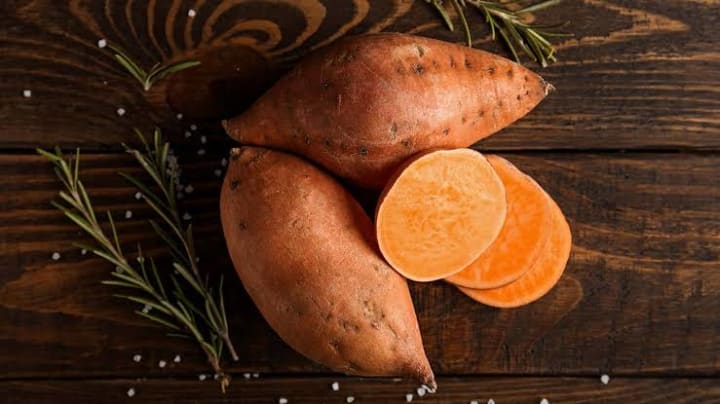
Sweet potatoes are not only delicious but also packed with potassium. One medium-sized sweet potato contains around 540 mg of potassium, which is more than what you get from a banana. They are also rich in fiber, vitamins A and C, and antioxidants, making them a powerhouse of nutrients.
How to Eat:
Bake or roast them for a tasty side dish.
Mash them as a healthier alternative to regular mashed potatoes.
Slice and air-fry them for homemade sweet potato chips.
2. Avocados

Avocados are an excellent source of healthy fats, fiber, and potassium. A single avocado provides around 975 mg of potassium, nearly double the amount in a banana. Plus, their creamy texture makes them a versatile ingredient.
How to Eat:
Spread mashed avocado on toast.
Add slices to salads and sandwiches.
Blend into smoothies for a creamy texture.
3. Spinach

Leafy greens like spinach are among the best plant-based sources of potassium. A single cup of cooked spinach delivers around 840 mg of potassium. Additionally, spinach is packed with iron, magnesium, and vitamin K.
How to Eat:
Sauté with garlic and olive oil for a quick side dish.
Blend into smoothies for an added nutrient boost.
Toss into salads or pasta dishes.
4. Beans (White Beans & Black Beans)
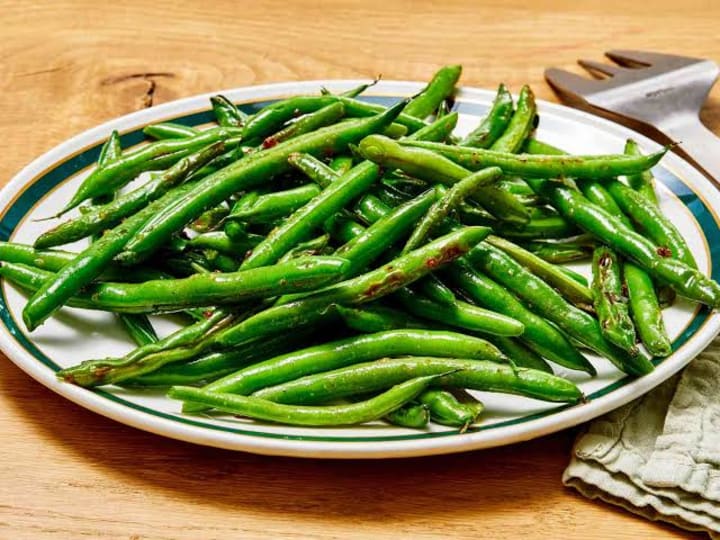
Beans are a fantastic plant-based protein source, and they also contain a high amount of potassium. One cup of cooked white beans provides around 1,000 mg, while black beans offer about 600 mg per cup.
How to Eat:
Add them to soups and stews.
Make a hearty bean salad with vegetables.
Use them as a meat substitute in tacos and burritos.
5. Watermelon

Watermelon is not only hydrating but also a great source of potassium. Just two cups of diced watermelon contain about 640 mg of potassium. It’s a refreshing way to boost your electrolyte balance, especially in hot weather.
How to Eat:
Enjoy fresh watermelon slices as a snack.
Blend into smoothies or make a refreshing juice.
Freeze for homemade watermelon popsicles.
6. Beets

Beets are rich in potassium, with one cup of cooked beets providing around 520 mg. They are also high in nitrates, which help improve blood circulation and athletic performance.
How to Eat:
Roast them with olive oil and herbs.
Grate raw beets into salads.
Blend into smoothies or juices for a nutrient boost.
7. Coconut Water
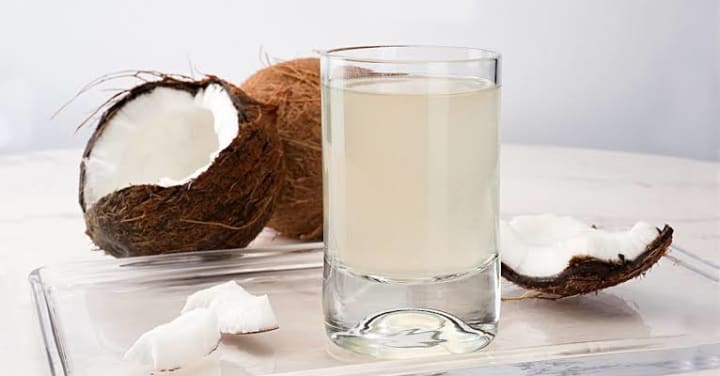
Coconut water is an excellent natural electrolyte drink. One cup of coconut water contains around 600 mg of potassium, making it a great alternative to sugary sports drinks.
How to Drink:
Enjoy it chilled after a workout.
Mix it into smoothies for extra hydration.
Use it as a base for fruit-infused drinks.
8. Salmon

Salmon is not only a great source of protein and omega-3 fatty acids but also rich in potassium. A 3-ounce serving of salmon provides around 600 mg of potassium. It’s a fantastic choice for heart health and brain function.
How to Eat:
Grill or bake salmon with herbs and lemon.
Add it to salads and grain bowls.
Use smoked salmon for a nutritious breakfast option.
9. Yogurt
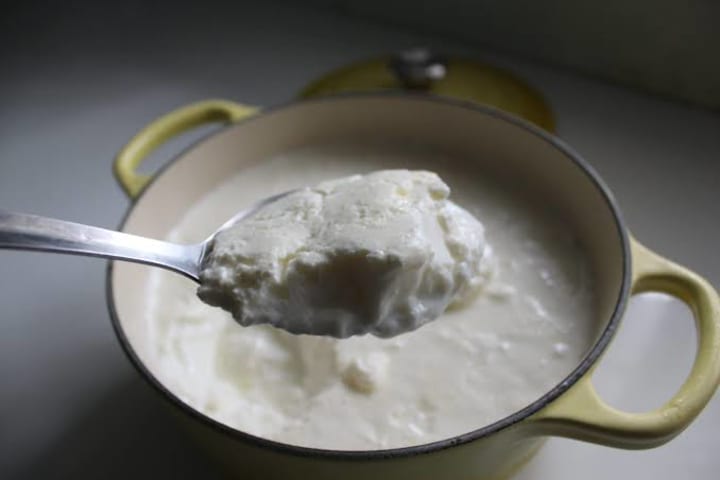
Plain yogurt is a great source of potassium, calcium, and probiotics. One cup of yogurt contains about 575 mg of potassium. Choosing unsweetened varieties ensures you get the most health benefits without added sugar.
How to Eat:
Mix with fruit and honey for a healthy snack.
Use as a base for smoothies or parfaits.
Add to sauces and salad dressings.
10. Mushrooms

Mushrooms, particularly portobello mushrooms, are rich in potassium. A single cup of cooked mushrooms provides about 550 mg of potassium. They are also packed with antioxidants and B vitamins.
How to Eat:
Grill or sauté them as a side dish.
Add to omelets, pasta, or stir-fries.
Use as a meat substitute in burgers.
11. Oranges and Orange Juice

Oranges are well known for their vitamin C content, but they also provide a good amount of potassium. A single orange contains around 250 mg, while a cup of orange juice delivers about 500 mg.
How to Eat:
Enjoy fresh oranges as a snack.
Drink freshly squeezed orange juice in the morning.
Add orange slices to salads for a citrusy twist.
Final Thoughts
While bananas are a great source of potassium, they are not the only option. Many other foods, including sweet potatoes, avocados, beans, and salmon, provide even more potassium per serving. By incorporating these nutrient-rich foods into your diet, you can support muscle function, maintain hydration, and promote overall health.
Hope this list helps you discover new ways to boost your potassium intake. Stay healthy, eat well, and keep exploring delicious, nutritious foods!
About the Creator
Keep reading
More stories from INFO INSIDER and writers in Lifehack and other communities.
How To Quickly Lose Winter Belly Fat
Winter often brings indulgent holiday meals, reduced physical activity, and extra layers of clothing that can hide weight gain. As the season transitions, many people look for ways to shed the excess belly fat accumulated during the colder months. Losing belly fat quickly requires a combination of dietary changes, exercise, and lifestyle adjustments. Here’s a comprehensive guide to help you slim down effectively.
By INFO INSIDER about a year ago in Lifehack
5 Best AI Tools for Women
A modern woman's life is full of tasks. We need to balance work, home, family, friends, and personal care. But with only 24 hours in a day, we often struggle to find time for our favorite activities because we need to plan what to cook for dinner or make a shopping list for the week. It can all feel overwhelming, but the load can be made lighter with the help of AI, as many of our daily tasks can be delegated to various AI assistants. What apps can help you spend more time on yourself? Read on to find out.
By Lesya Chumakabout 2 hours ago in Lifehack
The Top Five Things You Should Consider When Looking For A Homestead
A homestead is more than its parts. However, those parts need to work well together, and that’s why you need to know what you’re looking for. Any homestead can work, if you put enough work into it, but that doesn’t mean that you should settle for a parcel with more banes than boons. You should be looking for something that at least gives you a fighting chance, and so therefore there are some things you should be looking for. With that in mind, here are some things that every good homestead should have.
By Jamais Jochimabout 22 hours ago in Lifehack
A Knight of the Seven Kingdoms Series Review (Season 1)
As one of the biggest properties in fantasy, A Song of Ice and Fire remains immensely popular with audiences. After reaching far into the past with House of the Dragon, a second spin-off was on the cards. A Knight of the Seven Kingdoms serves up a bite-sized slice of action and drama, but it still claims a spot among the best small-screen titles.
By Robert Cain7 days ago in Geeks




Comments
There are no comments for this story
Be the first to respond and start the conversation.