
10 BEST ANTI-AGING Fruits To Help Your Skin Look More YOUTHFUL
Fruits

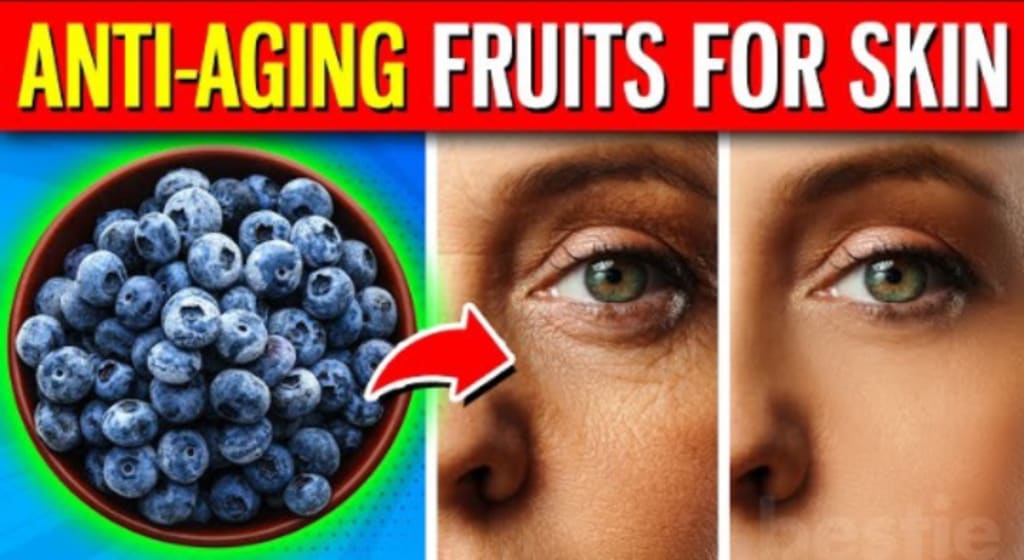
Hi viewers! Beautiful, glowing skin starts with how we eat. But there are fruits and different ingredients that may also help your skin as you grow older. After all, the skin is often the first part of our body to show internal trouble, and there's only so much that lotions, creams, masks, and serums may do before we need to take a closer look at what's fueling us. Eating fruits that are high in antioxidants, healthy fats, and essential nutrients may help support the body's largest organ, the skin. You must remember that no fruit may reverse wrinkles or other signs of aging, but certain ones do support skin health.
In today's article, we will talk about 10 such fruits that may become your best buddies to keep your skin healthy and younger-looking. But what type of fruit should you buy: expensive organic ones or budget-friendly conventionally grown fruits? Stick to the end of the article to find out what your take should be.
Blueberries. The anthocyanins responsible for the berry's vibrant color are the frontline warriors in safeguarding the skin. They mitigate the damaging effects of UV radiation, pollution, and stress by neutralizing harmful free radicals that may lead to premature skin aging. This antioxidant action is crucial in preventing the breakdown of collagen, a protein that gives our skin its firmness and elasticity. Along with other antioxidant-rich fruits and vegetables, eating blueberries may increase your total antioxidant intake to help reduce premature aging.
With the support of vitamin C, which is instrumental in collagen synthesis, blueberries help maintain the structural integrity of the skin, thereby reducing the formation of wrinkles and fine lines. Vitamin A complements this by aiding in skin cell regeneration and repair, ensuring that the skin remains resilient and vibrant. Integrating blueberries into one's daily diet is straightforward, with a recommended serving of about 1 cup (150 g) per day.
This amount is enough to reap the benefits without the risk of over consumption. However, indulging in them excessively might introduce too much fiber too quickly, potentially leading to digestive discomfort for some.
Pomegranates. This fruit's ability to aid in the fight against skin aging is primarily due to its high content of antioxidants such as punicalagin. These antioxidants, especially punicalagin, are potent compounds that significantly reduce oxidative stress in the body, a key factor that accelerates skin aging. By neutralizing free radicals, pomegranates protect the skin cells from damage and prevent the breakdown of collagen, the protein responsible for the skin's elasticity and firmness.
Furthermore, pomegranates also contain ellagic acid, another powerful antioxidant that offers a double defense against skin aging by not only fighting free radicals but also protecting against UV radiation. This protection from sun damage is crucial, as UV exposure is a significant contributor to premature skin aging. One human study demonstrated that oral consumption of ellagic acid-rich pomegranate extract in healthy women was associated with a protective effect on slight sunburn caused by UV irradiation, even at a low dose, resulting in a decrease in pigmentation.
Incorporating pomegranates into your daily diet may be both delicious and beneficial for your skin. A daily serving of about half a cup of pomegranate seeds is considered sufficient to enjoy its skin benefits. However, they may interact with certain medications, such as blood thinners and medications for high blood pressure, due to their high antioxidant content.
Avocados. The healthy fats in avocados, primarily monounsaturated fats, are essential for maintaining skin flexibility and moisture. This is critical, as hydrated skin appears more supple and less prone to wrinkling. Additionally, these fats support the skin's natural oil barrier, which is crucial in protecting against sun damage and the detrimental effects of pollution and other environmental stressors. One study involving over 700 women found that a high intake of total fat, specifically the types of healthy fats found in avocados, was associated with more supple, springy skin.
Vitamin E, another key component found in avocados, is a powerful antioxidant. Its role extends to reducing the effects of UV radiation on the skin, thus preventing premature aging such as fine lines and sunspots. Vitamin A also works in tandem with vitamin C, not only to protect the skin from oxidative damage but also to stimulate collagen production. This collaboration is vital since collagen is the protein that gives our skin its structure and elasticity, and its degradation leads to visible signs of aging.
Incorporating avocados into your diet is relatively straight forward, with a recommended daily serving of about half to one avocado. This amount is sufficient to harness the skin benefits without overindulgence. However, it's worth noting that avocados are high in calories and consuming them in large quantities might lead to weight gain if not balanced with overall calorie intake.
Oranges. The secret to their skin-enhancing prowess lies in their abundant supply of vitamin C. Vitamin C stands at the forefront of skin rejuvenation, primarily through its vital role in collagen synthesis. Collagen is the scaffolding of the skin, providing it with firmness and elasticity. As we age, collagen production naturally declines, leading to the appearance of wrinkles and sagging skin. By stimulating collagen formation, vitamin C helps counteract these signs of aging, aiding in the maintenance of the skin's youthful firmness and preventing premature aging.
Furthermore, vitamin C's ability to enhance the skin's natural regeneration process helps repair damaged skin cells, leading to a brighter, more even complexion. A study found that drinking fresh orange juice helped increase skin carotenoid levels, which are good indicators of the total antioxidant status of the body. Antioxidants are the key to younger-looking skin. Incorporating oranges into your daily diet is simple and may provide substantial skin benefits.
A daily serving of one medium-sized orange or a glass of fresh orange juice may help meet the recommended dietary intake of vitamin C, ensuring that you harness its skin-protective and anti-aging advantages. However, individuals with gastro esophageal reflux disease might also experience increased symptoms with acidic foods like oranges.
Papayas. Papayas are a tropical delight, not just for their sweet, musky taste but also for their remarkable skin-enhancing benefits. Vitamin A in papaya supports skin health by encouraging cell regeneration. This means that damaged skin cells are replaced more quickly, aiding in maintaining a youthful complexion, reducing the appearance of dark spots, and improving overall skin texture. Apart from that, papain, the star enzyme in papayas, sets this fruit apart in skin care, acting as a natural exfoliant.
Papain dissolves inactive proteins and dead skin cells, making it excellent for clearing away blemishes and dark spots. This enzymatic action results in smoother, more radiant skin by promoting the renewal of the skin surface. Papain may also remove damaged keratin that may build up on the skin and form small bumps. A 2017 study suggested that papain is a viable treatment for scarring.
Incorporating papaya into your diet is easy and beneficial, with a serving of a few slices or about half a cup of cubed fruit daily being a good measure. While papayas are generally safe, they contain an enzyme called chymopapain, which may cause an allergic reaction in individuals sensitive to latex.
Watermelon. The high water content of watermelon, which makes up about 90% of its weight, is its first advantage for skin health. Hydration is crucial for maintaining the elasticity and suppleness of the skin, helping to reduce the appearance of fine lines and wrinkles. Properly hydrated skin also ensures the efficient functioning of cells, including the removal of toxins, which may affect skin health and appearance.
Apart from that, lycopene, a powerful antioxidant in watermelon, provides an additional layer of protection against aging. It shields the skin from oxidative damage caused by environmental factors such as UV radiation and pollution. Lycopene's role in protecting skin cells contributes to maintaining the integrity of the skin and preventing the formation of age spots and wrinkles. Moreover, around 152 g of diced raw watermelon provides about 5% of the daily vitamin A. Vitamin A is also important for healthy skin since it helps create and repair skin cells.
In terms of daily consumption, enjoying a cup of watermelon cubes or a few slices daily is enough to benefit from its skin-enhancing properties. This moderation ensures that you may enjoy the refreshing fruit without the risk of consuming too much sugar, which watermelon contains naturally. While watermelon is generally safe for most people, its high water and potassium content could be a concern for those with kidney disorders who need to manage their fluid and electrolyte balance carefully.
Tomatoes. Tomatoes are a versatile and nutrient-rich fruit that play a significant role in promoting younger-looking skin, primarily through their high content of lycopene. Lycopene, the pigment that gives tomatoes their vibrant red color, is a powerful antioxidant known for its skin-protective qualities. It is particularly effective in defending the skin against damage from UV rays, reducing the risk of sunburn and sun-induced skin aging.
This makes tomatoes an excellent dietary addition for those looking to maintain youthful skin resilience and reduce the visible signs of aging caused by environmental factors. A study found that after 10 to 12 weeks of ingesting lycopene or tomato products rich in lycopene, people demonstrated decreased sensitivity to UV radiation.
A moderate intake, such as a cup of raw tomatoes or a serving of tomato-based dishes a few times a week, is generally recommended to enjoy their skin benefits. Moreover, tomatoes are acidic, which might exacerbate symptoms for those with gastroesophageal reflux disease or similar conditions.
Mangoes. Vitamin A in mangoes plays a crucial role in skin maintenance and repair. It helps in the regeneration of skin cells, ensuring that the skin remains smooth and rejuvenated. This is vital for preventing dry, flaky skin that may accentuate fine lines and wrinkles, contributing to a more youthful appearance. Moreover, vitamin A is essential for combating acne, a common skin condition that may affect the skin's texture and appearance.
By promoting healthy cell growth, vitamin A helps to ensure clear, smooth skin. Mangoes may contain between 1,000 and 6,000 international units of vitamin A. Moreover, foods high in vitamin A have photo protective effects, meaning they help reduce sun damage. Incorporating mangoes into your diet may be both enjoyable and beneficial for the skin. A daily serving of mango may vary, but including a moderate amount such as a few slices or about half a cup of cubed mango may contribute to skin health without over consumption.
Additionally, some individuals may have a sensitivity to mangoes, particularly those allergic to urushiol, a compound also found in poison ivy. Mango peel contains this compound, and handling or consuming the peel may cause allergic reactions in susceptible individuals.
Pineapples. Pineapples, the tropical fruit adorned with a crown, bring more than just a tangy sweetness to the table. They are a potent ally in the pursuit of younger-looking skin. Their secret lies in the enzyme bromelain, which is key to their skin-enhancing properties. Bromelain, an enzyme unique to pineapples, stands at the forefront of this fruit's contributions to skin health. It acts as a natural exfoliant, breaking down and removing dead skin cells from the surface.
This process not only smooths the skin but may also help reduce the appearance of fine lines and wrinkles by promoting a more even skin tone and texture. Bromelain's anti-inflammatory properties further aid in reducing redness and swelling, making it beneficial for conditions like acne and rosacea, which may affect the skin's youthful appearance.
A 12-week study of 11 people who used pineapple extract cream twice daily noted that it significantly reduced skin irritation, melasma, sunspots, and oil production on the skin compared with a placebo.
A moderate serving, such as a cup of fresh pineapple chunks, is typically recommended to enjoy its advantages without overindulgence. Furthermore, bromelain in pineapples may interact with certain medications, such as blood thinners and antibiotics, altering their effects.
Red bell peppers. Red bell peppers are not just a colorful addition to a variety of dishes but also a powerful food for promoting younger-looking skin. Vitamin C is a standout nutrient in red bell peppers, even surpassing the amounts found in typical vitamin C-rich fruits like oranges. A single cup (149 g) of bell pepper provides an impressive 211% of the daily value for vitamin C. This essential vitamin plays a crucial role in the production of collagen, a protein that is integral to skin elasticity and firmness.
A large observational study involving women linked eating plenty of vitamin C to a reduced risk of wrinkled and dry skin with age. Furthermore, carotenoids, the pigments that give red bell peppers their vibrant color, offer additional antioxidant benefits. These compounds help to shield the skin from environmental damage, including the effects of UV radiation, pollution, and exposure to toxins, all of which may contribute to premature aging. Carotenoids also have anti-inflammatory properties, which may reduce redness and puffiness, promoting an even skin tone and texture.
A daily serving of half to one red bell pepper is generally sufficient to enjoy its advantages. However, their high fiber content, while beneficial for overall health, may lead to gastrointestinal issues if consumed in large quantities without adequate hydration.
Why should you choose organic foods to protect your anti-aging journey? Organic fruits are often more expensive than conventionally grown fruits due to the more labor-intensive farming practices and the stringent certification processes. That's why many people choose conventionally grown fruits. However, when considering skin health, opting for organic fruits over those treated with pesticides may be a wise choice for several reasons:
Reduced exposure to pesticides. Organic fruits are grown without the use of synthetic pesticides, fertilizers, or genetically modified organisms (GMOs). Pesticides may disrupt the endocrine system and cause oxidative stress, potentially leading to skin irritation, premature aging, and other skin concerns.
Higher antioxidant levels. Organic fruits may have higher levels of antioxidants compared to their conventionally grown counterparts. Choosing them thereby enhances your skin's ability to fight aging and repair damage.
Environmental impact. Organic farming practices are designed to reduce pollution, conserve water, reduce soil erosion, increase soil fertility, and use less energy. Healthier ecosystems lead to fewer pollutants and a cleaner water supply, indirectly benefiting skin health.
By incorporating these 10 fruits into your daily diet, you may help your skin fight the signs of aging, maintain its elasticity, and enhance its natural glow. Remember, a balanced diet rich in a variety of nutrients will always be beneficial for both skin health and overall well-being. Always consult your dietitian before making any significant changes to your diet.
We have discussed many fruits that contribute to preserving younger skin, but as we know, our daily diets play a crucial role in maintaining our overall health.
Which fruit from today's article is your favorite? Let us know in the comments section!
About the Creator
Keep reading
More stories from srinivasan chandra govindharaj and writers in Lifehack and other communities.
The TOP 11 Brain BOOSTING Super Drinks You Should Have Daily
Do you find that your brain is a little foggy and you are unable to concentrate? Has your mood been at an all-time low? Believe it or not, what you drink has a lot to do with it. Let's talk about 11 brain-boosting drinks you need to know about.
By srinivasan chandra govindharajabout a year ago in Lifehack
Top 10 Questions to Ask Every Perth NDIS Service Before You Engage Them
Choosing the right National Disability Insurance Scheme (NDIS) provider shapes the quality of care, independence, and outcomes a participant experiences. In Perth, families and participants face a growing number of service options, which makes informed decision-making essential.
By Anshul Vijay2 days ago in Lifehack
9 Foods You Should Never Eat Past the Expiration Date, No Exceptions
But certain foods cross a line where the expiration date becomes about more than just quality—it’s about safety. Eating past that line can expose you to dangerous bacteria, toxins, or nutrient loss you can’t see or smell. Knowing which foods to never push beyond their expiration dates is key to keeping your kitchen safe. Here are the nine foods that are not worth the risk.
By General gyan2 days ago in Lifehack




Comments
There are no comments for this story
Be the first to respond and start the conversation.