Latest Stories
Most recently published stories on Vocal.
Why Some People Feel Responsible for Emotional Balance Around Them.
Some individuals naturally take on the emotional tone of those around them. They sense tension, stress, or discomfort in a group and instinctively act to restore balance. This behavior often occurs in families, workplaces, friendships, and social gatherings. Feeling responsible for the emotional balance of others is not a matter of choice alone—it stems from personality traits, psychological mechanisms, and social conditioning. Understanding why some people adopt this role sheds light on empathy, social intelligence, and interpersonal dynamics.
By Wilson Igbasi11 days ago in Humans
How Daily Habits Can Improve Your Addiction Recovery Journey. AI-Generated.
Addiction recovery is not only about stopping substance use. It is about reshaping daily life in a way that supports physical health, emotional stability, and long-term resilience. While therapy and treatment programs provide essential guidance, recovery truly unfolds through the habits practiced every day.
By Jordan Blake11 days ago in Humans
Traits of People Others Seek During Crisis.
During a crisis, people instinctively look for individuals who can provide stability, guidance, and reassurance. Whether in personal relationships, workplaces, or community settings, certain traits make someone a go-to figure when challenges arise. These traits go beyond knowledge or authority—they involve emotional, social, and behavioral characteristics that create trust and inspire confidence. Understanding these qualities can help individuals develop stronger relationships, leadership capacity, and resilience in both themselves and others.
By Wilson Igbasi11 days ago in Humans
The Role of Nurturing Energy in Personal Authority.
Personal authority is often perceived as stemming from power, knowledge, or charisma. However, a subtler force—nurturing energy—plays a critical role in establishing influence and respect. Nurturing energy refers to the ability to provide care, support, guidance, and validation to others while maintaining one’s own sense of presence and purpose. Individuals who integrate nurturing energy into their interactions often inspire loyalty, trust, and cooperation. Understanding the role of nurturing energy in personal authority reveals how influence emerges from empathy, attentiveness, and constructive engagement rather than coercion or force.
By Wilson Igbasi11 days ago in Journal
Poland Built the E.U.’s Biggest Army, but the Threat Has Changed. AI-Generated.
From tanks and troops to cyberwar and hybrid pressure, Poland adapts its defense strategy Over the past decade, Poland has built the largest army in the European Union, investing heavily in troops, tanks, aircraft, and artillery. This rapid military expansion was driven by fear of conventional war, especially after Russia’s actions in Ukraine. For Warsaw, a strong army was seen as the best shield against invasion. But as Europe’s security landscape continues to evolve, Polish defense planners are facing a new reality: the threat is no longer only about tanks crossing borders. Today’s dangers are more complex, less visible, and harder to stop with traditional military power alone. Why Poland Built Europe’s Biggest Army Poland’s military growth did not happen by accident. Its history, geography, and politics all played a role. Poland sits on NATO’s eastern edge, close to Russia and Belarus, and has long viewed itself as a frontline state. The invasion of Ukraine in 2022 confirmed long-standing fears in Warsaw that hard power still matters. In response, Poland: Expanded its armed forces toward 300,000 troops Purchased modern tanks, fighter jets, and missile systems Increased defense spending to well above NATO’s 2% target The goal was clear: deterrence through strength. Poland wanted to make any potential attack too costly to consider. A Strong Army, but a Changing Battlefield While Poland’s conventional military power has grown, the nature of threats facing Europe has shifted. Security experts now warn that future conflicts may not begin with open warfare. Instead, they could start with: Cyberattacks on power grids and communication networks Disinformation campaigns targeting public trust Economic pressure and political interference Border manipulation, including the use of migration as leverage These so-called hybrid threats are harder to detect and respond to, and they often fall outside the reach of tanks and artillery. Cyber and Information Warfare One of the biggest challenges Poland now faces is in the digital domain. Cyberattacks aimed at government systems, banks, and infrastructure have increased across Europe. Poland, as a vocal supporter of Ukraine, is considered a high-value target. Disinformation is another concern. False narratives spread online can: Undermine trust in democratic institutions Create political division Weaken public support for defense spending and alliances Polish officials increasingly recognize that defending the country also means defending information space, not just territory. Border Pressure and Non-Military Tactics Poland has already experienced how non-traditional threats can be used strategically. In recent years, pressure on Poland’s eastern border involved irregular migration flows, widely seen as a form of political coercion. Such tactics blur the line between civilian crisis and national security threat, forcing governments to respond carefully without escalating tensions. This kind of pressure cannot be solved by military force alone. It requires: Border management Diplomatic coordination Legal and humanitarian frameworks Intelligence sharing with allies The Role of Alliances Even with Europe’s largest army, Poland understands it cannot face modern threats alone. NATO remains the cornerstone of Polish security. Hosting allied troops, participating in joint exercises, and sharing intelligence all strengthen deterrence. At the same time, Poland has pushed for a stronger European defense role, especially in areas like cyber defense and crisis response. The focus is shifting from national strength only to collective resilience, where countries support each other across military, economic, and digital domains. Balancing Heavy Weapons and Smart Defense Poland’s defense debate is now about balance. Traditional military power is still necessary. Tanks, air defenses, and trained soldiers remain essential if deterrence fails. However, experts argue that future security depends equally on softer but smarter tools. These include: Cybersecurity investment Civil defense and emergency preparedness Strategic communication Energy independence Supply-chain protection A modern defense strategy must protect society as a whole, not just the battlefield. Public Expectations and Political Pressure Building Europe’s biggest army came with strong public support, especially after events in Ukraine. But sustaining such a force is expensive, and voters increasingly ask whether money should also go toward healthcare, infrastructure, and education. As threats become less visible, it becomes harder to explain why defense spending remains high. Leaders must now justify investment in areas people cannot easily see, like cybersecurity or intelligence. This requires clear communication and long-term planning, not fear-based messaging. What Comes Next for Poland Poland is unlikely to scale back its military anytime soon. Instead, the country is expected to adapt its defense posture. Future priorities may include: Integrating cyber and information defense into military planning Expanding cooperation with EU and NATO partners Strengthening civilian resilience alongside military readiness Preparing society for crises beyond armed conflict The focus is shifting from size alone to flexibility and resilience. Conclusion Poland’s decision to build the European Union’s largest army was shaped by real and immediate threats. That investment has made the country stronger and more confident within NATO and Europe. Yet the security environment has changed. Today’s threats are less direct, more complex, and often invisible. Tanks and troops remain important, but they are no longer enough on their own. For Poland, the challenge now is not just maintaining a powerful army, but redefining what security means in a world of hybrid warfare, digital threats, and political pressure. How well it adapts may shape not only its own future, but Europe’s as well.
By Fiaz Ahmed 11 days ago in The Swamp
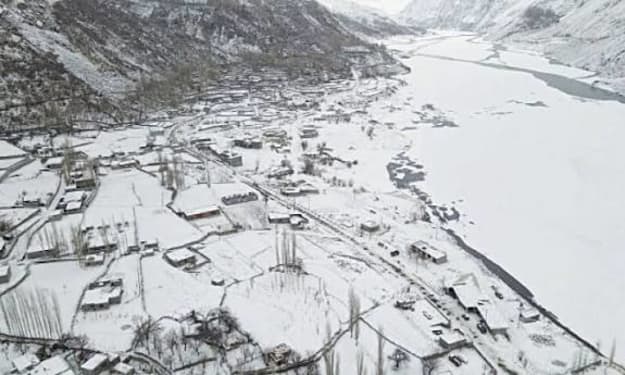
Freezing Temperatures Make Life Difficult in Snow-Hit Areas. AI-Generated.
Severe cold and heavy snow disrupt daily life, travel, and essential services Across many snow-hit regions, freezing temperatures are turning daily routines into serious challenges. Heavy snowfall combined with bitter cold has affected transportation, power supplies, healthcare access, and basic survival needs. For millions of people, staying warm and safe has become a daily struggle as winter tightens its grip. While snow can be beautiful, extreme cold exposes the fragile balance between modern life and harsh weather, especially in communities not fully prepared for prolonged freezes. Roads, Travel, and Isolation One of the most immediate impacts of freezing temperatures is on transportation. Snow-covered roads become slippery and dangerous, leading to accidents and long delays. In rural areas, some roads remain blocked for days, leaving residents cut off from essential supplies. Public transport services are often reduced or suspended, affecting workers, students, and emergency responders. Airports cancel flights due to icy runways and poor visibility, while rail services slow down to prevent damage to tracks. For people living in remote or mountainous areas, isolation can quickly turn dangerous, especially for the elderly or those with medical conditions. Power Outages and Heating Problems Cold weather places enormous pressure on power grids. As heating demand rises, systems struggle to cope, increasing the risk of outages. Ice buildup on power lines and damage from falling trees often worsen the situation. When electricity fails, homes lose heating, lighting, and communication. Families may rely on backup heaters or fireplaces, which can increase the risk of fires or carbon monoxide poisoning if used improperly. Authorities frequently urge residents to: Use safe heating sources Avoid overloading electrical systems Check on vulnerable neighbors In prolonged outages, warming centers become critical lifelines for communities. Health Risks in Extreme Cold Freezing temperatures pose serious health risks, particularly to vulnerable populations. Prolonged exposure to cold can lead to: Hypothermia Frostbite Worsening of heart and respiratory conditions Hospitals often see an increase in emergency admissions during cold snaps. Slips and falls on icy surfaces add to the strain on healthcare services. Mental health is also affected. Long periods indoors, isolation, and stress from power or food shortages can increase anxiety and depression, especially among older adults and children. Struggles for the Homeless and Vulnerable For people without stable housing, extreme cold can be life-threatening. Shelters often operate at full capacity during severe winter weather, and outreach teams work to bring people indoors. Low-income households face difficult choices between heating and other basic needs, such as food or medication. Rising energy costs during winter make these decisions even harder. Community groups and charities play a vital role by providing: Warm clothing and blankets Hot meals Temporary shelter Their efforts often make the difference between survival and tragedy. Schools and Workplaces Disrupted Freezing temperatures and heavy snow force many schools and workplaces to close or shift online. While remote work can help some, not all jobs or families can adapt easily. Parents may struggle to balance work with childcare, while students in areas with limited internet access fall behind. Prolonged closures also affect meal programs that many children rely on. For outdoor workers, such as construction crews and delivery drivers, extreme cold increases the risk of injury and slows productivity. Agriculture and Food Supply Concerns Cold weather also impacts agriculture. Snow and frost can damage crops, delay planting, and harm livestock. Farmers must invest extra resources in feed, shelter, and heating to protect animals. Supply chain disruptions caused by blocked roads and weather-related delays can affect grocery stores, leading to shortages of fresh food in some areas. These challenges highlight how closely weather, food security, and economic stability are connected. Emergency Services Under Pressure Emergency responders work around the clock during winter storms. Firefighters, medical teams, and utility workers face dangerous conditions as they respond to calls, restore power, and clear roads. Their efforts are often slowed by icy terrain and poor visibility, increasing response times. Despite these risks, emergency crews remain essential in keeping communities safe during extreme cold events. Authorities regularly advise residents to avoid unnecessary travel, helping reduce accidents and allow emergency services to focus on critical cases. Climate Change and Extreme Winter Weather Scientists note that while winters are generally warming overall, extreme cold events still occur and may become more unpredictable. Changes in atmospheric patterns can cause sudden and severe cold spells in regions unaccustomed to them. This unpredictability makes preparation more difficult and raises questions about infrastructure resilience, especially in areas not designed for prolonged freezing conditions. Community Resilience and Preparedness Despite the hardships, communities often show remarkable resilience during severe winter weather. Neighbors check on each other, volunteers help clear snow, and local organizations step in to support those in need. Preparedness remains key. Experts recommend: Keeping emergency supplies at home Ensuring heating systems are maintained Staying informed through local alerts These steps can reduce risk and help families cope when temperatures plunge. Conclusion Freezing temperatures in snow-hit areas are more than an inconvenience—they disrupt lives, threaten health, and test the strength of communities. From power outages and travel disruptions to health risks and economic strain, extreme cold exposes vulnerabilities that often go unnoticed. As winter weather becomes more unpredictable, investing in preparedness, infrastructure, and community support will be essential. While no one can control the weather, thoughtful planning and cooperation can help ensure that even the coldest days are faced with resilience and care.
By Fiaz Ahmed 11 days ago in The Swamp
Building a Home Gym on a Budget: The Power of an Adjustable Dumbbell Set
Creating a home gym is one of the smartest decisions you can make for your health, time, and wallet. Many people believe that setting up a home workout space requires expensive machines and lots of room. In reality, you can build a highly effective home gym using affordable gym equipment, and one of the most important pieces you can own is an adjustable dumbbell set.
By Apollo Fitness11 days ago in 01
Staying Active at the Gym: How to Avoid Burnout and Stay Consistent
Staying active at the gym offers many physical and mental benefits, but maintaining consistency can be challenging, especially when burnout appears. Many people start with excitement and strong motivation, yet after a few weeks, the pressure to perform or the demands of a busy life can lead to fatigue, boredom, or frustration. Avoiding burnout is essential for long-term success. A healthy fitness routine should support your well-being, not drain your energy or enthusiasm. With the right strategies, you can stay consistent, maintain a positive mindset, and enjoy your workouts for years to come.
By Keith Brautigam11 days ago in Education