Latest Stories
Most recently published stories on Vocal.
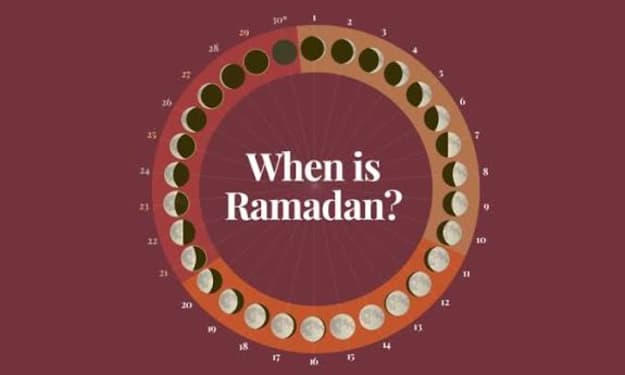
When Is Ramadan 2026, and How Is the Moon Sighted?. AI-Generated.
Ramadan, the holiest month in Islam, is observed by more than a billion Muslims worldwide through fasting, prayer, and reflection. Each year, its start date shifts because it follows the Islamic lunar calendar rather than the Gregorian calendar. This often leads to questions about when Ramadan will begin and how its arrival is determined. In 2026, Ramadan is expected to begin in the evening of Tuesday, February 17, and end at sunset on Wednesday, March 18, depending on the sighting of the moon. As with every Islamic month, the precise start date will be confirmed only after the new crescent moon is observed. Why Ramadan’s Date Changes Every Year The Islamic calendar is based on lunar cycles, with each month beginning when the new crescent moon (hilal) is sighted. A lunar year is about 354 days long — roughly 11 days shorter than the solar year used in the Gregorian calendar. As a result, Ramadan moves earlier each year, cycling through all seasons over a 33-year period. This shifting calendar means Muslims sometimes fast during long summer days and, in other years, during shorter winter days. The movement of Ramadan across the seasons is seen as a reminder of the spiritual nature of fasting rather than its physical difficulty. How the Moon Is Sighted Moon sighting is a deeply rooted religious and cultural practice. Traditionally, Muslim scholars and local committees attempt to observe the new crescent moon shortly after sunset on the 29th day of the preceding month, Sha’ban. If the moon is seen, Ramadan begins the following day. If it is not seen, Sha’ban completes 30 days and Ramadan starts one day later. In many countries, official moon sighting committees gather at specific observation points, often using telescopes and modern optical equipment alongside traditional naked-eye observation. Witnesses who claim to see the crescent must meet certain conditions, including reliability and clarity of vision, before their testimony is accepted. Weather plays a major role in moon sighting. Cloud cover, pollution, or haze can make it impossible to see the crescent even if it is astronomically present. This is why different countries sometimes begin Ramadan on different days. Astronomy vs. Physical Sighting There is an ongoing discussion in the Muslim world about whether Ramadan should be determined solely by astronomical calculations or by physical moon sighting. Some countries and Islamic organizations use scientific data to predict when the moon can be seen, while others insist on direct visual confirmation in accordance with traditional teachings. Supporters of astronomical calculation argue that modern science allows highly accurate predictions and promotes unity by avoiding confusion. Others believe that physically seeing the moon is a religious requirement and part of the spiritual significance of Ramadan’s arrival. As a result, Muslims in different regions — and sometimes even within the same country — may start fasting on different days depending on which method they follow. Global Differences in Moon Sighting Countries in the Middle East, South Asia, and Africa often rely on national moon sighting authorities. In contrast, Muslim communities in Europe and North America may follow local councils or the announcements of major Islamic institutions abroad. For example, some communities wait for sightings from Saudi Arabia or their country of origin, while others rely on local sightings or scientific visibility charts. This diversity reflects the global nature of Islam and the different legal and cultural traditions within it. Spiritual Meaning of Ramadan Beyond its calendar mechanics, Ramadan is a time of intense spiritual focus. Muslims fast from dawn until sunset, refraining from food, drink, and other physical needs. The fast is meant to promote self-discipline, empathy for the poor, and closeness to God. Daily prayers increase, charity is emphasized, and families gather for the evening meal known as iftar. The month also includes Laylat al-Qadr, the “Night of Power,” believed to be the night when the first verses of the Quran were revealed. Preparing for Ramadan 2026 As Ramadan 2026 approaches in February, Muslim families and communities will begin preparations well in advance. Mosques plan prayer schedules, charities organize food drives, and individuals adjust their routines for fasting and worship. Because the start date depends on moon sighting, official announcements are typically made the night before Ramadan begins. Until then, the expected date remains provisional. Conclusion Ramadan 2026 is expected to begin around February 17, but its true start will be confirmed by the sighting of the new moon. This centuries-old practice continues to unite faith, tradition, and astronomy in a unique way. Whether determined by telescopes or by the naked eye, the arrival of Ramadan marks a sacred time of reflection, discipline, and spiritual renewal for Muslims around the world.
By Fiaz Ahmed 5 days ago in Education
Nvidia Stock Outlook for 2026: The AI Boom Will Drive Growth, but CapEx Concerns Will Increase Dangers
Analysts and investors are increasingly weighing its potential upside and growing risks as Nvidia Corporation continues to be a cornerstone of the artificial intelligence (AI) and semiconductor boom. Nvidia's share price has performed mixed in recent weeks, fueled by optimistic projections for AI infrastructure spending but tempered by worries about major tech companies slowing down their capital expenditures (capex) and high valuation expectations. This has sparked a debate about whether the stock will continue its strong trajectory or encounter significant headwinds.
By Raviha Imran5 days ago in Trader
Ley’s Shadow Immigration Minister ‘Never Agreed’ to Unreleased Liberal Plan to Ban Migrants from Gaza and Somalia. AI-Generated.
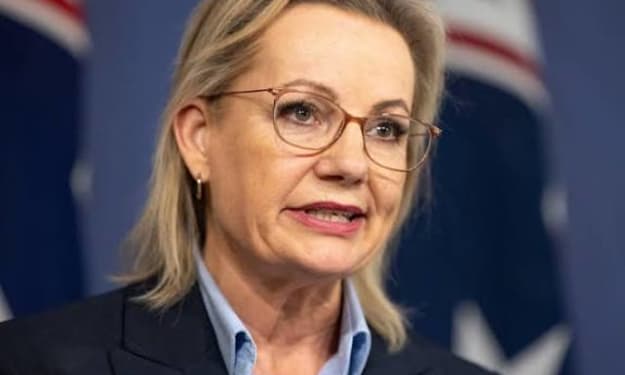
Australia’s opposition Liberal Party has been plunged into internal controversy after reports emerged of an unreleased policy proposal that would have banned migrants from Gaza and Somalia. The shadow immigration minister has publicly rejected claims that he supported the draft plan, saying he “never agreed” to the proposal and was not consulted before it appeared in internal discussions. The episode has intensified scrutiny of the party’s approach to immigration and national security at a time when political debate over refugee policy, border protection, and humanitarian obligations remains highly charged. The plan, reportedly circulated internally among senior Liberal figures, suggested restricting or suspending migration pathways for people from Gaza and Somalia, citing security and vetting concerns. However, the document was never formally adopted as party policy and was not released to the public. Its contents only became known after leaks triggered criticism from within and outside the party. Opposition Leader Sussan Ley has moved quickly to distance herself from the draft proposal, describing it as an “unapproved and incomplete internal document” that did not reflect the official position of the Liberal Party. Her office emphasized that any future immigration policy would be developed through proper cabinet and party processes rather than informal drafts. The shadow immigration minister was even more explicit in rejecting the plan. In a statement, he said he had not signed off on the proposal and did not support a blanket ban targeting migrants from specific conflict regions. “I never agreed to this policy, and it was not something I endorsed or approved,” he said. “Australia’s migration system must balance national security with humanitarian responsibility. Decisions should be based on individual assessments, not broad assumptions about entire populations.” Political Fallout and Internal Divisions The leaked proposal has revealed underlying divisions within the Liberal Party over how hardline its immigration stance should be. Some members argue that stricter controls are necessary to reassure voters concerned about security risks, while others fear that targeting specific regions could be seen as discriminatory and legally questionable. Senior Liberal sources acknowledged that the draft was prepared as part of internal policy brainstorming rather than a finalized platform. However, the wording — which reportedly named Gaza and Somalia specifically — raised alarm among moderate MPs and advisers who warned it could damage Australia’s international reputation and strain relations with humanitarian organizations. Opposition figures have accused the government of exploiting the controversy for political gain, while government ministers have criticized the Liberals for what they describe as “reckless and divisive thinking” on migration. A spokesperson for the governing party said the episode demonstrated “a lack of coherence and leadership” in opposition policy development, adding that Australia’s refugee and humanitarian intake must be guided by international law and evidence-based security assessments. Humanitarian and Legal Concerns Advocacy groups and legal experts were quick to condemn the reported proposal. Refugee organizations argued that banning migrants from Gaza and Somalia would violate Australia’s obligations under international refugee conventions, which require countries to assess asylum claims individually rather than by nationality or region. Human rights lawyers noted that both Gaza and Somalia are areas affected by long-running conflict and humanitarian crises, making their populations among the most vulnerable globally. “To single out people from war zones for exclusion undermines the core principles of refugee protection,” said one legal expert. “Security checks already exist in Australia’s migration system. A blanket ban would likely face serious legal challenges.” Muslim community leaders also expressed concern that the draft policy could fuel social division and stigmatization, particularly at a time when global conflicts have heightened tensions and misinformation. Party Leadership Response In an effort to contain the damage, Ley reiterated that the Liberal Party has no current policy to ban migrants from Gaza or Somalia and that any immigration proposals would go through formal consultation before being adopted. She also stressed that the shadow immigration minister’s position remained secure and that there had been no breach of discipline. “This was not an approved policy and does not represent where we stand,” Ley said. “We remain committed to a fair, orderly, and secure migration system that reflects Australia’s values.” However, political analysts say the controversy highlights the challenges Ley faces in maintaining unity within the opposition while appealing to both conservative and centrist voters. Broader Immigration Debate The incident comes amid renewed national discussion over immigration levels, refugee intake, and border security. Rising global displacement, conflicts in the Middle East and Africa, and domestic housing pressures have all placed migration policy under intense scrutiny. For the Liberal Party, the leak has complicated efforts to present a clear alternative to the government’s approach. Critics argue that even an unreleased proposal can shape public perception, especially when it touches on sensitive issues such as religion, conflict zones, and national identity. Political observers warn that unless the party clarifies its stance quickly, the controversy could linger and be used by opponents as evidence of internal disarray. Looking Ahead While the shadow immigration minister has firmly denied supporting the draft ban, questions remain about how the document was produced and who authored it. Ley has ordered an internal review of the policy development process to prevent similar incidents in the future. For now, the Liberal Party insists the proposal is dead. But the episode has reignited debate about how Australia should balance compassion with caution in an increasingly unstable world — and whether opposition parties can avoid policy missteps while seeking to redefine their platforms. As the political fallout continues, the controversy serves as a reminder that even unpublished ideas can have powerful consequences once they enter the public arena.
By Fiaz Ahmed 5 days ago in The Swamp
Top Therapy Games for Mood & Anxiety Relief in 2026. AI-Generated.
In today’s fast-paced world, stress and anxiety have become an everyday challenge for many. While traditional methods like meditation, yoga, and journaling remain popular, the rise of therapy games offers a modern, fun, and interactive alternative for mental wellness. These games are designed not only to entertain but also to promote relaxation, improve focus, and boost mood. In this post, we’ll explore some of the best therapy games of 2026 that can help you unwind and recharge your mind.
By Micheal Turner5 days ago in Gamers