Latest Stories
Most recently published stories on Vocal.
The Day I Stopped Waiting for Permission
There wasn’t a dramatic turning point—no thunderstorm, no slammed doors, no cinematic declaration of independence. The day I stopped waiting for permission began quietly, almost invisibly, like the first crack in a wall you’ve leaned on your whole life.
By Aiman Shahid4 days ago in Confessions
North Korea’s First Nuclear-Powered Missile Submarine Is Revealed. AI-Generated.
North Korea has unveiled its first nuclear-powered missile submarine, a development that marks a significant milestone in the country’s strategic military capabilities and raises concerns among regional and global security analysts. The announcement, accompanied by state media imagery, highlights Pyongyang’s continued focus on expanding its naval and nuclear deterrence capabilities, despite international sanctions and diplomatic pressures. The Unveiling State-run North Korean media released images of the submarine during a formal ceremony attended by senior military officials. The vessel, reportedly capable of carrying ballistic missiles, represents the country’s first foray into nuclear-powered submarine technology. Analysts note that the move signals both technical advancement and a strategic intent to enhance second-strike nuclear capability. The submarine appears to be significantly larger than the country’s existing diesel-electric submarine fleet and is believed to be capable of extended underwater operations. This development could allow North Korea to maintain a continuous at-sea nuclear deterrent, reducing the vulnerability of its strategic assets to preemptive strikes. Technical and Strategic Significance While specific technical details remain scarce, defense analysts suggest that the vessel is designed to operate silently and for long periods underwater, using a nuclear propulsion system to power both its engines and onboard systems. The integration of ballistic missile capability could potentially allow the submarine to launch nuclear missiles from protected, concealed positions, thereby strengthening North Korea’s deterrent posture. “This is a game-changer in terms of regional security,” said an East Asia military analyst. “A nuclear-powered submarine with ballistic missile capability significantly increases Pyongyang’s ability to project power and complicates defense planning for neighboring countries and the United States.” North Korea has historically relied on a combination of land-based missile systems and conventional submarines for its naval strategy. The introduction of a nuclear-powered platform represents a shift toward modernized, survivable deterrence. Experts note that the move may also reflect North Korea’s desire to emulate capabilities possessed by other nuclear states, including the U.S., Russia, and China. Regional and Global Reactions The unveiling of the submarine has drawn immediate attention from South Korea, Japan, and the United States, all of whom monitor North Korean military developments closely. South Korea’s Ministry of National Defense stated that it is analyzing satellite imagery and open-source intelligence to assess the capabilities of the new vessel. Japan’s government expressed concern over the potential threat to maritime security in the region. U.S. officials noted that the development underscores the ongoing challenges of denuclearization talks and highlights the need for robust deterrence strategies. Analysts suggest that the submarine could complicate existing defense frameworks in the Indo-Pacific, forcing allies to consider enhanced anti-submarine warfare capabilities and maritime surveillance. Implications for Nuclear Deterrence The introduction of a nuclear-powered missile submarine has significant implications for North Korea’s nuclear posture. Submarines provide a survivable second-strike capability, allowing a country to maintain the ability to retaliate even after a first-strike attack. This strategic advantage is critical for maintaining deterrence and signaling to adversaries that any attack could provoke a devastating response. Experts also warn that the development could accelerate an arms race in the region, prompting neighboring countries to invest more heavily in submarine detection and missile defense systems. Additionally, the revelation may influence diplomatic negotiations, with North Korea likely leveraging its enhanced capabilities to extract concessions in talks with the United States and regional partners. Technical Challenges and Future Prospects While the unveiling is a major step, technical experts caution that the vessel may still face challenges in operational deployment. Nuclear propulsion requires advanced engineering, maintenance infrastructure, and trained personnel, areas where North Korea has limited publicly verified expertise. Analysts will be monitoring whether the country can sustain long-term operations and integrate the submarine effectively into its naval strategy. The development also raises questions about the country’s missile technology, including the range, accuracy, and survivability of submarine-launched ballistic missiles. Successful integration of these systems could significantly alter the strategic calculus in Northeast Asia. Looking Ahead The North Korean announcement is expected to influence both regional defense planning and global diplomatic efforts. While Pyongyang has consistently pursued advanced military capabilities, the addition of a nuclear-powered missile submarine represents a tangible escalation in its strategic capabilities. As tensions in the region persist, countries including South Korea, Japan, and the United States are likely to increase monitoring and prepare contingency plans. Analysts warn that the unveiling could set a precedent for further technological advancements in North Korea’s naval and nuclear programs, reshaping security dynamics in the Indo-Pacific. The world now faces a new chapter in the North Korean military narrative, with a vessel that could fundamentally change the nature of deterrence and escalation in the region.
By Fiaz Ahmed 4 days ago in The Swamp
Production Starts on Indonesian Navy’s A-VIATOR Aircraft in Italy. AI-Generated.
Production has officially begun on the A-VIATOR aircraft for the Indonesian Navy, with assembly taking place at a major aerospace facility in Italy. The program represents a key step in Indonesia’s efforts to modernize its naval aviation capabilities and enhance maritime surveillance, reconnaissance, and tactical operations in the region. Aircraft Overview The A-VIATOR is a multirole aircraft designed to operate in both maritime patrol and combat support roles. Equipped with advanced radar, sensor suites, and communications systems, the aircraft is intended to provide the Indonesian Navy with improved situational awareness over its territorial waters, critical shipping lanes, and archipelagic regions. Italian aerospace manufacturers have been tasked with building the initial production batch, while final delivery and integration will occur in coordination with Indonesian defense officials. The program includes training for pilots and technical crews, maintenance support, and gradual incorporation into existing naval operations. Strategic Importance for Indonesia Indonesia, as the world’s largest archipelagic state, faces unique maritime challenges. Monitoring and securing its extensive coastline, territorial waters, and exclusive economic zones requires advanced aerial and naval assets. The A-VIATOR aircraft program is intended to bolster the country’s maritime security infrastructure and provide rapid-response capabilities to both civilian and military contingencies. Defense analysts note that the introduction of modern aircraft like the A-VIATOR enhances Indonesia’s ability to detect and track unauthorized vessels, respond to regional disputes, and support search and rescue operations. “The aircraft significantly improves the Navy’s reach and effectiveness,” said a regional defense expert. “It’s a critical investment for Indonesia’s maritime defense strategy.” Production and Technology The aircraft features cutting-edge avionics, including automated surveillance systems, electronic intelligence capabilities, and secure communication networks compatible with allied platforms. Its multirole design allows it to switch between reconnaissance, anti-submarine warfare, and limited tactical strike operations, giving the Navy flexibility in deployment. The Italian manufacturer has emphasized precision engineering and adherence to international aerospace standards, ensuring that the aircraft meet both operational and safety requirements. Advanced composite materials and fuel-efficient engines are integrated to maximize performance and endurance. International Cooperation The A-VIATOR program reflects growing collaboration between Indonesia and Italy in defense and aerospace industries. Beyond aircraft production, the partnership includes knowledge transfer, technical training, and long-term support agreements. Indonesian pilots and technical personnel are scheduled for training sessions in Italy before the aircraft are delivered. “This project exemplifies the benefits of international defense collaboration,” an Indonesian Ministry of Defense official said. “We gain access to advanced technology while developing domestic skills and operational expertise for our naval forces.” Regional Implications Southeast Asia has seen increasing competition over maritime security, with neighboring countries investing in modern naval assets to address territorial disputes, piracy, and smuggling. The A-VIATOR aircraft program positions Indonesia to maintain situational awareness and assert its strategic interests more effectively. Analysts believe that the aircraft’s deployment will not only strengthen Indonesia’s defense posture but also enhance regional stability by providing rapid-response surveillance and operational support to multilateral exercises and humanitarian missions. Looking Ahead Initial production is expected to continue through the next several months, with the first aircraft delivered to the Indonesian Navy by late 2026. The program includes gradual fleet expansion, allowing pilots and support crews to familiarize themselves with operations and maintenance procedures. As Indonesia continues to modernize its naval capabilities, the A-VIATOR aircraft program represents a tangible step toward achieving a more versatile and responsive maritime force. Its combination of advanced technology, multirole flexibility, and international collaboration underscores Indonesia’s strategic vision for securing its maritime domain and projecting influence in Southeast Asia.
By Fiaz Ahmed 4 days ago in The Swamp
Tattoos & Rail Guns Chapter 17: Every Piece Moves
Deezle the Defiler felt something, an itch at the back of his skull. He had been left alone on monitor duty, he was always left alone on monitor duty, and so he had begun to trust that itchy feeling. He looked at the various scrying mirrors that they had set up; each was paired to another mirror at a different location, allowing the demons to keep an eye out on what happened at distant sites. Most of them looked normal; all but the one had a crack through it and had gone black; it wasn't even reflecting.
By Jamais Jochim4 days ago in Chapters
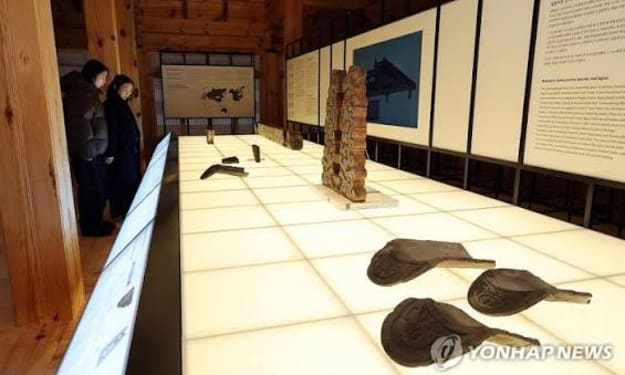
Over 250,000 Korean Cultural Artifacts Located Overseas: Heritage Agency. AI-Generated.
South Korea’s Cultural Heritage Administration (CHA) has reported that more than 250,000 Korean cultural artifacts are currently held outside the country, highlighting ongoing challenges related to heritage preservation, repatriation, and international cooperation. The announcement underscores the widespread dispersal of Korean cultural property across museums, private collections, and archaeological holdings worldwide. Scope of Korean Cultural Dispersal According to the CHA, the artifacts range from ancient pottery, calligraphy, and Buddhist statues to royal court objects and historical manuscripts. Many of these items were taken during periods of foreign occupation, colonial rule, or illicit trade, while others were legally acquired by international museums or collectors. The CHA emphasized that the dispersed nature of these artifacts complicates efforts to document, protect, and eventually repatriate them to South Korea. “Korean cultural heritage represents our national identity and history,” said a CHA spokesperson. “While many artifacts are preserved overseas, their absence from the homeland diminishes opportunities for Koreans to engage with their own cultural legacy.” Efforts Toward Repatriation South Korea has been actively pursuing repatriation initiatives for decades. These efforts include diplomatic negotiations, legal claims, and cooperative agreements with foreign institutions. Notable successes include the return of significant royal court artifacts from Japan and the United States in recent years. The CHA has established specialized task forces to track the location and ownership of Korean artifacts abroad. This includes digitizing records, collaborating with foreign museums, and conducting provenance research to strengthen claims for repatriation. International Challenges Repatriation, however, is a complex and often contentious process. Many foreign institutions argue that artifacts acquired legally cannot be reclaimed, while others cite cultural exchange and conservation benefits. Additionally, political considerations can influence negotiations, especially when dealing with countries that have historical claims or disputes with Korea. Experts also note the challenge of verifying authenticity and tracing provenance for items scattered over multiple centuries and locations. “It’s not just about asking for objects back,” said a cultural heritage scholar. “It requires thorough documentation, international legal frameworks, and cooperative relationships with the institutions holding these items.” Cultural and Educational Impact The dispersal of artifacts has implications beyond legal and diplomatic concerns. Cultural scholars argue that access to original works is critical for education, research, and public awareness. Museums and universities in Korea have long relied on replicas or digital images of key artifacts, limiting the depth of study available to students and researchers. By advocating for repatriation and international loans, South Korea aims to ensure that both domestic and international audiences can engage with the nation’s rich cultural history. The CHA also promotes temporary exhibitions abroad to raise awareness about Korea’s artistic and historical achievements. Strategic Plans and Digital Initiatives To address these challenges, the CHA is investing in digital heritage projects, including the creation of an online repository cataloging all known Korean artifacts worldwide. This platform allows scholars, policymakers, and the public to access detailed information about the artifacts’ history, condition, and current location. The agency has also proposed international agreements to facilitate temporary exhibitions, collaborative research, and long-term loans, fostering a cooperative approach rather than confrontational claims. This strategy aims to strengthen South Korea’s influence in global heritage circles while maximizing access to its cultural treasures. Looking Ahead The announcement of over 250,000 overseas artifacts serves as a reminder of both Korea’s rich historical legacy and the challenges of preserving and reclaiming it. Officials stress that continued international cooperation, legal advocacy, and public engagement are essential to ensure that Korean cultural heritage can be appreciated by future generations. “The preservation and return of cultural artifacts are not just a national priority—they are part of the global responsibility to protect humanity’s shared heritage,” the CHA said. “We will continue to work diligently with international partners to recover and safeguard these treasures.” The report also reinforces the need for awareness campaigns to highlight the significance of cultural heritage and the ongoing efforts to repatriate key artifacts.
By Fiaz Ahmed 4 days ago in Education
Tattoos and Rail Guns Chapter 18: When Demons Plan For the Future
Sharness rode up to her “temple”; the 1920s mansion had been refurbished with an apocalypse in mind, making it an excellent base for her operations. She had fallen in love with the curves and swoops of the mansion; it was a gorgeous edifice only highlighted by the gardens around it and the pools that someone had taken care to design slides, fire pits, and hidden nooks. It was made to satisfy the needs of those who had lived there and she could appreciate that as no human living on the planet could.
By Jamais Jochim4 days ago in Chapters
Manchineel
A distant lilac ball hung in a clear desert sky. The sun reduced to a small purple sphere before it set behind volcanoes. Streaks of silvery blue clouds shone in the twilight before relenting to the night and its two silver moons. Deep, deep down inside a canyon, amongst red cracked regolith, reaching up with twisted branches, a tree grew on Mars.
By N J DelmasExclusive • 4 days ago
The World Finally Saw a Russian Female Skater Again. She Didn’t Disappoint.. AI-Generated.
After months of anticipation, the international figure skating community welcomed the return of a top Russian female skater to global competition, and the performance did not disappoint. Known for her technical precision, artistry, and competitive consistency, she immediately reminded audiences why Russian skaters continue to dominate the sport. A Long-Awaited Return The skater’s absence from the international stage had been notable, leaving fans and competitors alike speculating about her readiness and form. With geopolitical restrictions and sports federation policies affecting Russian athletes’ participation in some events, the global audience had not seen the skater perform under official competitive conditions in recent months. Her reappearance took place at a major international invitational, where she delivered a program that combined intricate jumps, fluid spins, and expressive choreography. The routine was set to a classical composition, allowing her to highlight both technical skills and interpretive artistry—elements for which she has long been celebrated. Technical Excellence Observers were quick to note her flawless execution of triple-triple combinations, difficult spin sequences, and complex footwork. Judges awarded high technical scores, reflecting the skater’s ability to maintain precision under pressure. Analysts pointed out that her jumps, including the triple Lutz and triple Axel, were both technically clean and seamlessly integrated into the program’s flow. Beyond jumps and spins, the skater’s edge work and transitions stood out. Her ability to connect movements with musicality and maintain momentum across the ice floor impressed both judges and the audience. Experts suggest that such attention to detail will make her a strong contender in upcoming world championships, should international participation be permitted. Artistic Performance The skater’s artistry was equally notable. Every element of her program demonstrated a mastery of expression, conveying the emotions embedded in her music choice. Facial expressions, body positioning, and timing were all carefully choreographed, reflecting years of training in Russia’s elite skating schools. Coaches and peers praised her performance, noting that she maintained composure and elegance despite the high stakes and scrutiny associated with returning after a hiatus. “She reminded the world why she is considered among the top-tier skaters,” one coach commented. International Reactions Fans across Europe, North America, and Asia expressed admiration on social media platforms, highlighting the skater’s resilience and skill. Competitors acknowledged the performance as a reminder of Russia’s continued presence in the upper echelons of figure skating. Some noted that the skater’s return injects excitement and competitiveness into an otherwise disrupted competitive season. Implications for the Competitive Season Her comeback carries broader implications for international competitions. With ongoing restrictions on Russian athletes in some events, the timing of her return raises questions about eligibility, rankings, and qualification for championships. Analysts predict that her performances in subsequent competitions could heavily influence both technical and artistic score benchmarks for other competitors. Meanwhile, her training team confirmed that she plans to continue participating in selective events, focusing on maintaining consistency and refining technical elements. Observers expect her to push the boundaries of performance quality and increase the difficulty of routines, a hallmark of Russian figure skating. Looking Ahead For the world of figure skating, the return of this Russian athlete is more than just a single performance—it is a statement of competitive intent and excellence. Her presence in upcoming events promises to elevate the level of competition, challenge fellow skaters, and inspire audiences worldwide. As fans anticipate her next appearances, the message is clear: Russian figure skating remains a dominant force, and its leading female athletes continue to set the standard for technical skill, artistry, and competitive resilience.
By Fiaz Ahmed 4 days ago in Geeks
What the Avalanches in the Alps Mean for Your Ski Holiday. AI-Generated.
As winter sports enthusiasts flock to the European Alps, a series of recent avalanches has prompted renewed safety warnings and raised questions about how these events may affect ski holidays in the region. Authorities in Switzerland, France, Austria, and Italy have all reported increased avalanche activity following heavy snowfall and fluctuating temperatures, making it critical for travelers to understand the implications for their plans. Recent Avalanche Activity Over the past two weeks, multiple avalanches have been recorded across popular ski regions in the Alps. Swiss authorities reported several incidents in the Valais region, while Austria’s Tyrol area saw a series of small to medium-scale avalanches triggered naturally or by skiers. French ski resorts in Chamonix and the Savoie region have also issued alerts, warning that conditions remain unstable in off-piste areas. Meteorologists attribute the uptick in avalanche activity to a combination of heavy snowfall, rapid temperature changes, and wind drift, which create unstable layers of snow on slopes. Ski resorts have responded by closing high-risk areas, deploying controlled avalanche measures, and increasing monitoring, but the risk persists, particularly for those venturing off marked trails. Impact on Ski Resorts and Tourists For visitors planning ski holidays, these developments may mean restricted access to certain slopes or temporary resort closures. Many ski resorts are enforcing stricter safety protocols, such as mandatory avalanche gear for off-piste skiing, guided tours only in certain areas, and enhanced signage to warn of dangerous zones. Resorts emphasize that on-piste skiing remains relatively safe for visitors who follow posted guidance. However, ski instructors and guides advise that off-piste adventures should only be undertaken with professional accompaniment and proper equipment, including avalanche transceivers, probes, and shovels. Safety Recommendations Travelers are encouraged to check daily avalanche bulletins, which are updated by national weather services and local ski authorities. The European Avalanche Warning Services provide region-specific risk ratings, from low to extreme, helping skiers and snowboarders make informed decisions. Experts advise several key precautions: Stay on marked trails whenever possible. If skiing off-piste, go with an experienced guide. Carry and know how to use avalanche safety equipment. Monitor weather forecasts and slope conditions daily. Respect all resort warnings and closures. Broader Implications Beyond immediate safety concerns, the avalanches may also affect ski tourism revenue and travel planning. Tour operators report that some travelers have postponed trips, particularly those seeking off-piste experiences or advanced slopes. Conversely, resorts with lower-risk runs are seeing increased bookings from tourists prioritizing safety. Insurance policies are another factor to consider. Many travel insurers now require proof of safety compliance for off-piste skiing and may limit coverage in areas identified as high-risk for avalanches. Travelers are advised to review policy terms carefully to ensure protection in case of accidents or trip interruptions. Environmental and Climatic Considerations Scientists note that avalanche frequency in the Alps has been influenced by climate variability. Warmer temperatures and inconsistent snowfall patterns can create unstable snow layers, increasing avalanche hazards. Authorities stress the importance of respecting natural conditions and adapting recreational activities accordingly. Looking Ahead Skiers planning holidays in the Alps should remain flexible and prioritize safety. Resorts are expected to continue implementing controlled avalanche measures, including preemptive detonations to reduce snow buildup, while monitoring weather and snowpack stability closely. While avalanches are a natural risk in alpine regions, awareness, preparation, and adherence to safety guidance allow visitors to enjoy skiing and snowboarding responsibly. Travelers who stay informed and respect local advice can still experience a fulfilling ski holiday, even amidst increased avalanche activity.
By Fiaz Ahmed 4 days ago in Longevity
Andrew Rudin MD on Restoring Balance in Modern Medicine. AI-Generated.
Modern medicine has achieved extraordinary milestones. Conditions that once guaranteed shortened lives can now be managed for decades. Surgical techniques have become more precise. Imaging reveals internal structures with remarkable clarity. Pharmaceutical innovation continues to expand treatment options across nearly every specialty. These accomplishments deserve recognition. Yet as healthcare has advanced, its center of gravity has gradually shifted toward managing disease after it emerges rather than preventing it from developing at all.
By Dr. Andrew Rudin4 days ago in Humans