
Zelensky Gives Stark Warning as EU Leaders Start Crunch Talks on Russia's Frozen Assets
Zelensky Urges EU to Channel Frozen Russian Assets Toward Ukraine’s Recovery

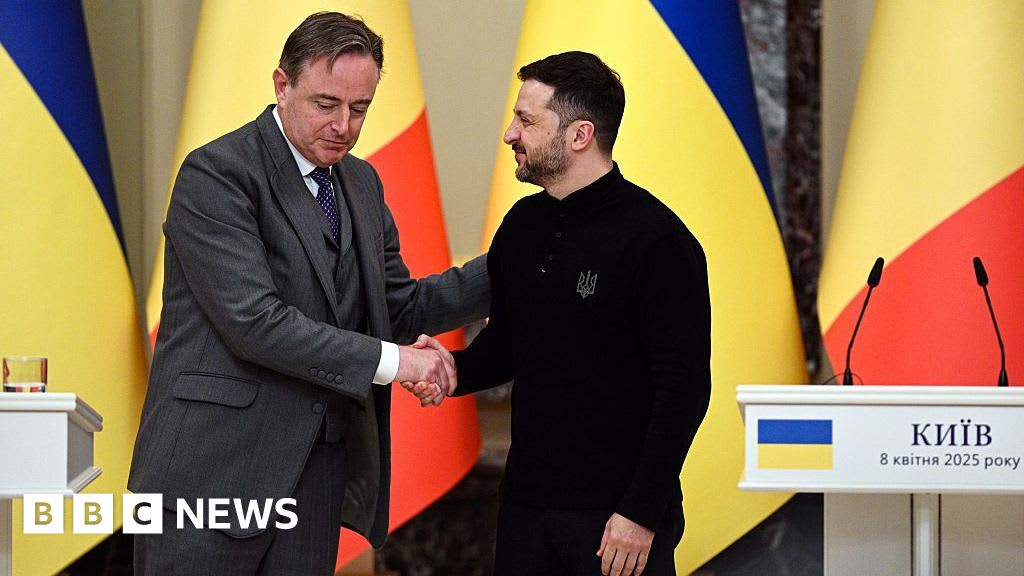
As Europe grapples with the economic fallout from Russia’s ongoing invasion of Ukraine, Ukrainian President Volodymyr Zelensky has issued a stark warning ahead of critical discussions among European Union leaders on Russia’s frozen assets. The talks, set to shape the future of sanctions enforcement and post-war reconstruction funding, carry significant political and financial implications for both Ukraine and the EU.
The Stakes of Frozen Assets
Since the onset of the war in February 2022, Western nations, including EU members, the United States, and others, have frozen billions of dollars in Russian assets to pressure Moscow into ending its aggression. These measures targeted state-owned banks, oligarchs, and strategic economic sectors. Estimates suggest that EU nations alone have immobilized over €200 billion in Russian funds.
While these frozen assets were initially viewed as leverage against the Kremlin, Zelensky and other Ukrainian leaders argue that they could serve a far more practical purpose: rebuilding the war-torn nation. “The frozen assets of Russia should be used to restore what Russia destroyed,” Zelensky said in a recent televised address. He emphasized that the international community has a moral responsibility to support Ukraine’s reconstruction while maintaining pressure on Moscow.
EU Leaders Face a Tough Choice
The European Union’s upcoming summit is expected to be tense. Leaders must navigate a delicate balance between upholding property rights, adhering to international law, and responding to Ukraine’s urgent appeals. While the idea of using frozen Russian assets for reconstruction has gained traction, legal and diplomatic hurdles remain. Some member states have voiced concern about setting a precedent for seizing sovereign assets, which could complicate future international relations.
Economists also warn of potential ripple effects. Releasing or redirecting these funds without a clear legal framework could destabilize financial markets and invite retaliation from Russia in the form of further economic measures or cyberattacks. The summit will therefore likely focus on creating a transparent mechanism for asset management and allocation that satisfies both moral imperatives and legal constraints.
Zelensky’s Urgency
For Zelensky, time is of the essence. Ukraine faces immense economic challenges, with infrastructure in cities such as Bakhmut, Mariupol, and Kharkiv heavily damaged. Energy supplies remain vulnerable, and millions of citizens require immediate humanitarian aid. By channeling Russia’s frozen assets into reconstruction projects, Zelensky hopes to accelerate recovery while signaling to Ukrainian citizens and the global community that the EU is standing firmly by their side.
“The clock is ticking, and each day of delay prolongs suffering,” Zelensky stated. His appeal underscores the human dimension behind what might otherwise seem a dry financial or legal matter. The President has repeatedly framed the issue not only in terms of justice and deterrence but as a critical lifeline for the millions of Ukrainians affected by the war.
International Reactions
Reactions to Zelensky’s proposals have been mixed. Some EU leaders, particularly from Eastern European nations that border Ukraine, have expressed strong support, citing security concerns and the moral obligation to help a nation under attack. Western European countries, meanwhile, are weighing economic and legal risks more cautiously. The debate highlights a growing rift between the EU’s political solidarity with Ukraine and pragmatic considerations of long-term financial stability.
International financial institutions, including the IMF and World Bank, have offered frameworks for using seized or frozen assets in post-conflict reconstruction. These mechanisms could provide a model for the EU to follow, ensuring that funds are used efficiently, transparently, and legally.
A Turning Point for EU-Ukraine Cooperation
The outcome of these crunch talks will likely define the EU-Ukraine relationship for years to come. If EU leaders agree to a structured plan for leveraging frozen Russian assets, it could strengthen Ukraine’s recovery and set a precedent for international accountability in conflicts. Conversely, failure to reach consensus could frustrate Ukraine’s reconstruction efforts and strain diplomatic ties.
Zelensky’s warning is clear: the world is watching, and the decisions made in Brussels over the coming days will send a powerful signal about the West’s commitment to Ukraine. “Every asset frozen from Russia is a potential tool for rebuilding our nation. But hesitation risks letting injustice prevail,” he said.
As EU leaders convene, the balance of moral responsibility, legal precedent, and economic prudence will be tested. For Ukraine, these discussions represent not only the future of its reconstruction but a tangible measure of the world’s resolve in the face of unprovoked aggression.
About the Creator
Fiaz Ahmed
I am Fiaz Ahmed. I am a passionate writer. I love covering trending topics and breaking news. With a sharp eye for what’s happening around the world, and crafts timely and engaging stories that keep readers informed and updated.
Keep reading
More stories from Fiaz Ahmed and writers in Journal and other communities.
Belgium Floats Invoking Emergency Provision to Provide Joint EU Debt for Ukraine
As the war in Ukraine enters its third year, European leaders are confronting one of their most consequential debates yet: how to fund Kyiv’s continued defense and reconstruction without destabilizing the European economy. In a bold and somewhat controversial move, Belgium has floated the idea of invoking an emergency provision to issue joint European Union (EU) debt specifically to support Ukraine. The proposal has ignited intense discussion in political circles, financial markets, and among the citizens of EU member states.
By Fiaz Ahmed about a month ago in Journal
The goals I did not achieve
Every writing goal I made for the year is a wash. It has been this way for a while, but I think it's important to be open about my failures and the reality of how life can get in the way. This is especially true considering the several times I have posted on Vocal about my writing goals, how I was changing my approach, and where I was hoping to be for the upcoming year. I will probably do that again in a couple months, but for now, it is time to acknowledge where I am today.
By Kay Husnick24 days ago in Journal



Comments
There are no comments for this story
Be the first to respond and start the conversation.