
Stories from the Field: A Day in the Life of a Self-Loading Mixer Operator
A Day in the Life of a Self-Loading Mixer Operator

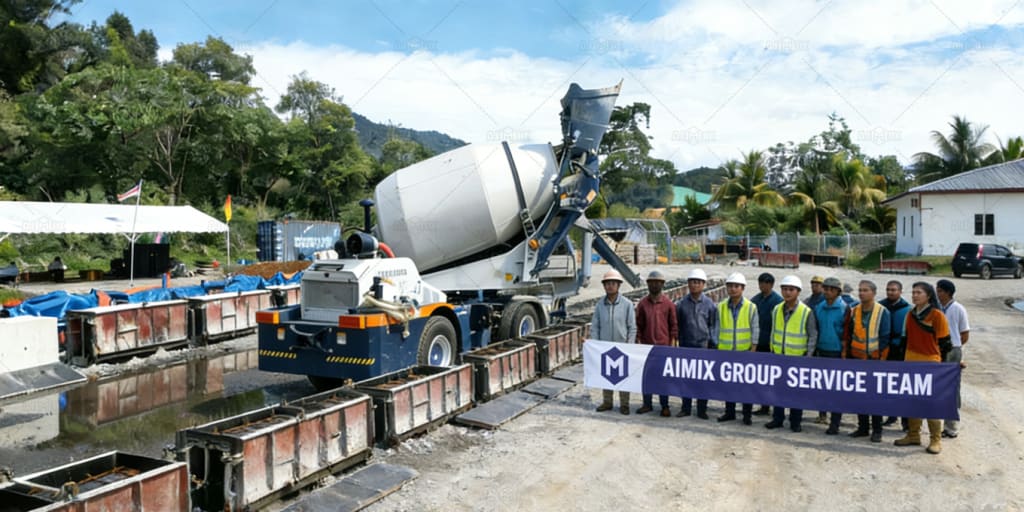
The cab of a modern self loading concrete mixer is not merely a driver's seat; it is the command center for a mobile, autonomous batch plant. For an operator like Lena, her day begins under the cloak of predawn darkness, a necessary prologue to the symphony of construction. The machine, a hulking silhouette against the fading stars, requires a methodical pre-flight ritual. Her first act is a diagnostic communion with the vehicle’s onboard telematics system, scrutinizing fluid levels, hydraulic pressure readings, and ensuring the integrity of every grease point on the complex loading arm and drum mechanisms. This is followed by a tactile inspection—checking tire pressures massive enough to support a fully laden weight exceeding 30,000 kilograms, verifying the sharp, clean engagement of the drum’s charge and discharge fins, and ensuring the water tank is calibrated and free of contamination. Every unchecked variable is a potential seed for catastrophic delay. Simultaneously, she cross-references the digital delivery docket with the mix design specifications for the day’s first pour: a 35 MPa structural mix with a specified 80mm slump and a controlled set retarder admixture for the upcoming bridge deck. The precision demanded is absolute; there is no room for approximation when the structural integrity of a build hangs in the balance.
The Orchestrated Chaos of Pre-Dawn Preparation
Success hinges on pre-empting failure. Lena’s preparation extends beyond the machine to a meticulous logistical calculus. Using GPS and real-time traffic data integrated into her dispatch console, she plots the most efficient route to the aggregate supply yard and then to the distant site, accounting for urban congestion zones and low-clearance bridges her rig cannot pass. She confirms the availability and precise composition of the stockpiled materials—the angularity of the coarse aggregate, the moisture content of the sand—as these factors will directly influence her batching decisions en route. Communication is key; a brief radio check with the site foreman confirms the pour sequence and any last-minute access instructions. This quiet, systematic hour is a study in proactive mitigation. It is here that the operator transforms from a driver into a logistician and a mechanical steward, building a bulwark of readiness against the inherent entropy of the construction day. The first ignition of the diesel engine is not a start, but the culmination of this silent, critical phase.

The Intricate Ballet of Simultaneous Operations
Upon arrival at the material yard, the self-loader concrete mixers’ true operational verve is unleashed. Lena maneuvers the behemoth with surprising delicacy, positioning it so the hydraulically powered loading arm can sweep through a pre-programmed arc. With joystick controls, she dredges the bucket into the sand pile, lifts, swings, and discharges the material into the rotating drum—all while monitoring the weight on the onboard scale display. She repeats this balletic sequence for coarse aggregate, often blending from two different piles to achieve a specific gradation. The water is metered in via an automated system tied to the aggregate moisture sensors she calibrated earlier. The final act is the introduction of the cement and admix, sucked from their containers via a pneumatic system that seals meticulously to prevent particulate escape. Throughout this entire process, the drum rotates at charging speed, initiating the homogenous amalgamation of components. This is multitasking elevated to an industrial art form: managing hydraulic pressures, ensuring weight-batching accuracy, and maintaining spatial awareness—all from within the vibrating cab. The machine then departs for the site, with the drum transitioning to agitation speed, a slow roll that prevents segregation but delays full hydration. The transit time becomes a mobile extension of the batching process, a period of controlled stasis.
The Analytical Calm of Post-Pour Protocols
The delivery and placement are often a frenetic interface with the site crew, but the operator’s duty cycle mandates a return to disciplined analysis. Once the drum is emptied—a process she monitors to ensure a clean, complete discharge—the immediate requirement is a thorough wash-out. Residual concrete, if allowed to set, becomes a destructive force inside the drum. Lena engages the integrated wash system, using a careful sequence of water and residual agitation to scour the mixing fins and drum interior. The contaminated slurry is not dumped indiscriminately; it is contained and often discharged into a designated settlement pit on site, part of a broader environmental compliance ethos. Back at the depot, her day concludes with a post-operation report logged into the telematics hub. She notes any anomalies in hydraulic performance, records exact material quantities used versus theoretical yield—a key data point for cost and waste tracking—and details the condition of the discharged concrete for quality assurance records. This documentation is not bureaucratic tedium; it is the vital feedback loop that refines tomorrow’s performance. It is in this analytical calm, after the diesel is silenced, that the operator’s role as a data custodian and continuous improvement agent comes fully to the fore, closing the loop on a day defined by controlled power and exacting precision.
About the Creator
AIMIX
Construction Machine Manufacturer in China. Find Machines here: https://aimixconcretesolution.com/
The goals I did not achieve
Every writing goal I made for the year is a wash. It has been this way for a while, but I think it's important to be open about my failures and the reality of how life can get in the way. This is especially true considering the several times I have posted on Vocal about my writing goals, how I was changing my approach, and where I was hoping to be for the upcoming year. I will probably do that again in a couple months, but for now, it is time to acknowledge where I am today.
By Kay Husnick22 days ago in Journal
AI-Powered Website Design and Development: The Future of Smart Business Websites
In the rapidly changing digital world today, a website serves not just as a face of business on the internet but also as a business facilitator. Customers want quick, personalized, safe, and smooth experiences across all their devices. Older ways of website design and development, though still valid, generally have a hard time meeting the increased customer demand. This is exactly what AI-powered website design and development is introducing to the market - a game-changing approach in how business websites are smart, built, optimized, and used.
By Swati Lalwani3 days ago in Journal
Ludacris and Nelly draw backlash over bookings at MAGA-coded music festival
Ludacris and Nelly headlining a mostly right-wing event is good for them. It’s also great for the genre of hip hop. The two rap veterans have showcased their talents on other stages. Why can’t they perform for mostly MAGA folks and grab that bag?
By Skyler Saunders3 days ago in Beat



Comments