
Belgium Floats Invoking Emergency Provision to Provide Joint EU Debt for Ukraine
Belgium’s proposal to invoke emergency EU powers for joint debt signals a potential turning point in how Europe finances Ukraine’s defence and reconstruction.

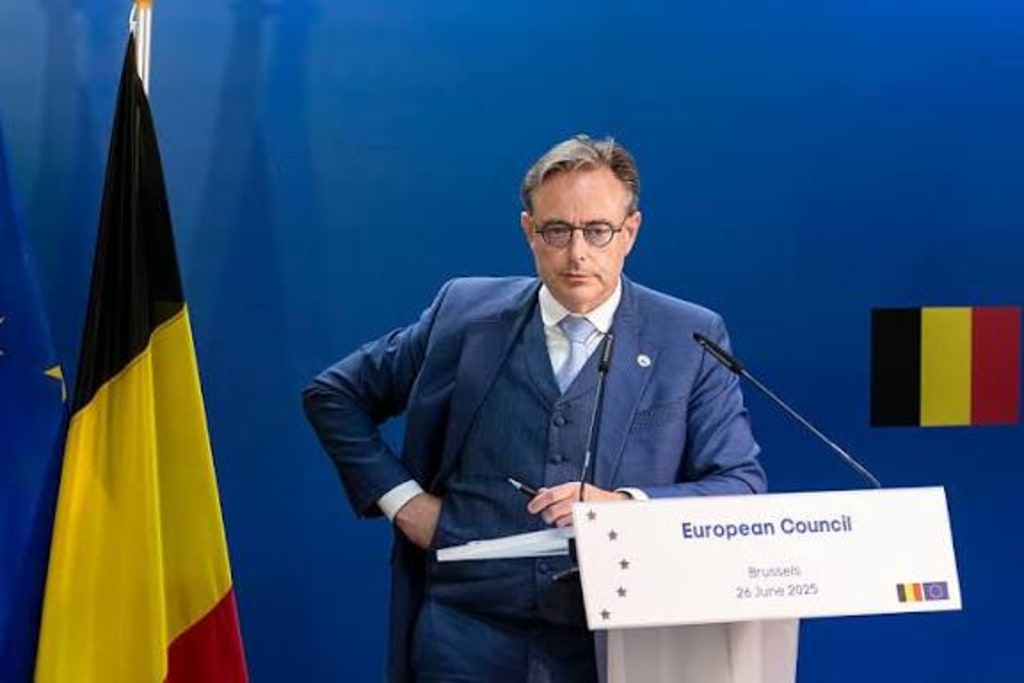
As the war in Ukraine enters its third year, European leaders are confronting one of their most consequential debates yet: how to fund Kyiv’s continued defense and reconstruction without destabilizing the European economy. In a bold and somewhat controversial move, Belgium has floated the idea of invoking an emergency provision to issue joint European Union (EU) debt specifically to support Ukraine. The proposal has ignited intense discussion in political circles, financial markets, and among the citizens of EU member states.
A New Chapter in European Financial Solidarity
The crisis in Ukraine has highlighted both the strengths and weaknesses of the EU’s collective approach to major external challenges. On the one hand, financial assistance, military aid, and sanctions against Russia have demonstrated a united Western response. On the other hand, the scale of funding required—especially for long-term reconstruction—has exposed limits in existing mechanisms.
Traditionally, the EU has relied on member states’ individual contributions, supplemented by budgetary allocations from Brussels. But with continuing warfare, massive infrastructure destruction in Ukraine, and growing displacement and humanitarian needs, some leaders argue that business as usual financing is no longer sufficient.
Enter Belgium’s proposal: invoke an emergency EU provision to issue shared debt across member states, raising funds specifically for Ukraine. This would represent a significant shift in the EU’s financial architecture and could deepen fiscal integration among members.
What Is Joint EU Debt?
Joint EU debt refers to financial instruments issued collectively by the EU, backed by the budgets of member states rather than a single nation. The most familiar example is the NextGenerationEU recovery fund, launched in response to the COVID-19 pandemic. That fund involved EU-level borrowing to subsidize support for member economies.
Belgium’s proposal would essentially replicate this model—but with a foreign policy and security objective rather than a pandemic recovery objective.
Proponents argue that Ukraine’s situation is similarly extraordinary. As Russian forces continue their offensive, underfunded defense lines and compromised infrastructure have left Kyiv dependent on Western support. Brussels and national capitals have provided billions in military and humanitarian aid, but reconstruction and long-term stability plans require far more.
Why Belgium Is Pushing the Proposal
Belgium has positioned itself as a vocal supporter of deeper EU cooperation in defense and foreign policy. Its government argues that Ukraine’s survival as a sovereign, democratic state is a European interest, not solely a Ukrainian one.
By advocating for joint debt issuance, Belgium is emphasizing several key points:
Collective Responsibility: European nations benefit from peace and stability on the continent. Supporting Ukraine through shared financial risk underscores this principle.
Burden-Sharing: Relying only on individual national contributions creates unequal financial pressures. Joint debt spreads the cost more evenly.
Signal of Unity: A shared financial instrument would send a clear signal that the EU stands united, not only in words but in shared economic commitments.
Belgian officials also note that borrowing at the EU level typically attracts lower interest rates than many individual member states could achieve alone—potentially reducing long-term costs.
Opposition and Concerns
Not everyone in the EU is on board with Belgium’s proposal. Some governments remain wary of blurring the lines between national and collective fiscal responsibility. Critics argue joint debt could set a precedent leading to deeper financial entanglements without clear long-term governance structures.
Others express concerns about public opinion. In some member states, taxpayers are already feeling economic pressure from inflation, energy costs, and post-pandemic recovery efforts. Asking them to underwrite debt for another country—even a neighbor under attack—remains politically sensitive.
Additionally, debates about legal frameworks have surfaced. While the NextGenerationEU mechanism relied on specific treaty provisions developed in a crisis, it is unclear whether current EU treaties explicitly allow for emergency debt issuance for foreign aid or military reconstruction. Legal scholars warn that invoking such provisions could lead to constitutional challenges in certain member states.
Financial Markets Respond
Financial markets took note of the proposal. Analysts suggest that if the EU were to back joint debt for Ukraine, it could further strengthen the euro’s role as a safe-haven asset, especially if new instruments are structured with long maturities and solid backing.
At the same time, markets will be watching political developments closely. Any indication of division among EU members could introduce volatility, as investors gauge the union’s fiscal cohesion.
What This Means for Ukraine
For Kyiv, the possibility of joint EU debt represents hope for more stable, long-term funding. Unlike short-term military aid or emergency
About the Creator
Fiaz Ahmed
I am Fiaz Ahmed. I am a passionate writer. I love covering trending topics and breaking news. With a sharp eye for what’s happening around the world, and crafts timely and engaging stories that keep readers informed and updated.
Keep reading
More stories from Fiaz Ahmed and writers in Journal and other communities.
Trump Revised Chevron’s Venezuela Deal. Maduro’s Oil Trader Profited.
The geopolitical and economic tug-of-war over Venezuela’s oil resources has taken another twist. Reports have surfaced that a revised deal under the Trump administration allowed Chevron, the U.S. energy giant, to continue operations in Venezuela, with unexpected financial gains for intermediaries linked to Nicolás Maduro’s government. The development has sparked debate over foreign policy, corporate responsibility, and the ethics of profiting amid sanctions.
By Fiaz Ahmed about a month ago in Journal
7 Business Knowledge Loops That Self-Improve on AI PCs
The business world is changing faster than ever before. Companies that stay ahead are those that use smart technology to learn and grow continuously. AI PCs have opened up a new frontier for businesses to create knowledge loops that get better with every cycle. These systems learn from your data and improve their performance automatically. Think of it like a business brain that never stops getting sharper.
By Gabriella Browne6 days ago in Journal



Comments
There are no comments for this story
Be the first to respond and start the conversation.