
Your Home or Business Needs Fire Safety Equipment
fire safety equipment
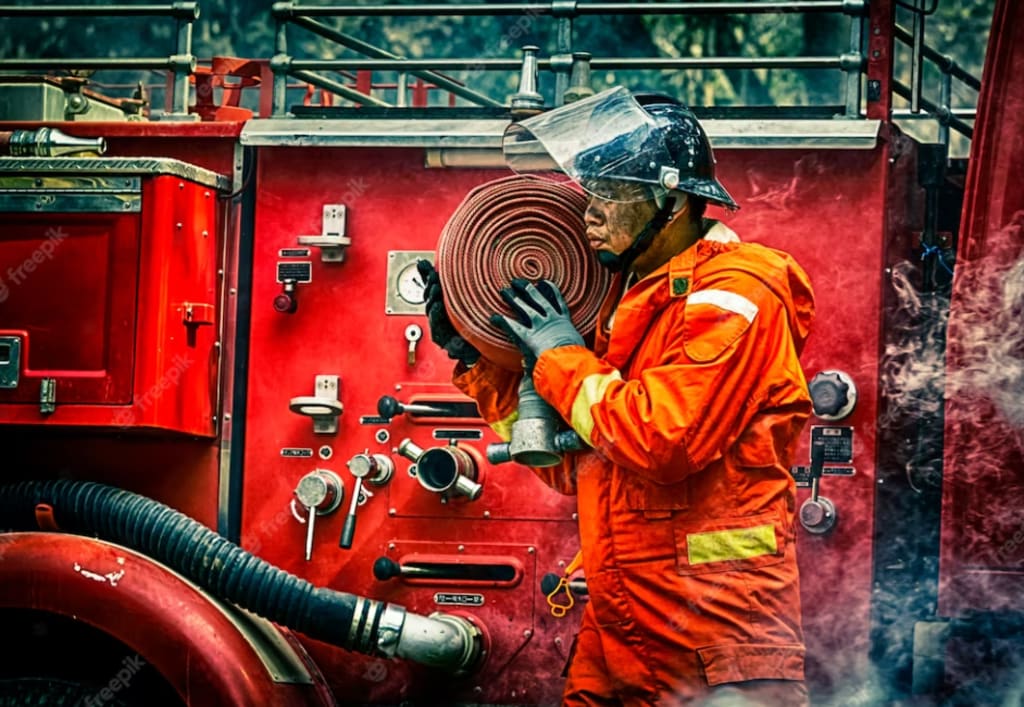
Fire safety is an essential aspect of home and business security. In the event of a fire, having the right equipment can mean the difference between life and death. fire safety equipment not only helps prevent fires from starting, but it also aids in detecting, containing, and extinguishing fires. This article will explore the different types of fire safety equipment that you can use to safeguard your home or business.
Smoke Detectors
Smoke detectors are the most critical fire safety equipment in any building. These small devices are designed to detect smoke and alert the occupants of a potential fire. Smoke detectors can save lives by providing an early warning system, giving people time to evacuate the building before the fire spreads.
There are two types of smoke detectors: ionization and photoelectric. Ionization smoke detectors detect small particles of smoke, while photoelectric smoke detectors use a beam of light to detect smoke. Both types of detectors have their advantages and disadvantages, but experts recommend using a combination of both for optimal fire safety.
Smoke detectors should be installed in every room of your home or business, including hallways and stairwells. Make sure to test your smoke detectors regularly and replace the batteries at least once a year.
Fire Extinguishers
Fire extinguishers are another essential piece of fire safety equipment. They are designed to contain and extinguish small fires before they become large and out of control. Fire extinguishers can be used on Class A, B, and C fires, which involve different types of fuels such as wood, paper, flammable liquids, and electrical equipment.
There are different types of fire extinguishers, including water, foam, powder, and CO2. Each type of extinguisher is designed to tackle a specific type of fire, so it's essential to choose the right type of extinguisher for your needs. Fire extinguishers should be kept in accessible locations throughout your home or business, and it's essential to train everyone on how to use them properly.
Fire Blankets
Fire blankets are another essential piece of fire safety equipment that can be used to extinguish small fires. They are made from fire-resistant materials and are designed to smother flames by cutting off the oxygen supply.
Fire blankets are particularly useful in kitchen areas where fires can quickly start from hot oil or grease. They can also be used to wrap around a person who has caught fire, smothering the flames and preventing further injury.
Fire blankets should be kept in accessible locations, such as kitchen areas or near fireplaces, and it's essential to train everyone on how to use them properly.
Sprinkler Systems
Sprinkler systems are a more sophisticated piece of fire safety equipment designed to extinguish fires automatically. They consist of a network of pipes that are connected to a water supply and are fitted with sprinkler heads that activate in the event of a fire.
When a fire is detected, the sprinkler system releases a spray of water to extinguish the flames. Sprinkler systems are particularly useful in large commercial buildings, where it's not always possible to evacuate quickly. They can also be used in homes, particularly in areas where fires are more likely to start, such as kitchens and garages.
Fire Alarms
Fire alarms are another critical piece of fire safety equipment that can alert occupants of a building in the event of a fire. Fire alarms consist of a control panel, smoke detectors, and a sounder or bell.
When a fire is detected, the smoke detectors trigger the alarm, alerting people to the danger. Fire alarms should be installed in every room of your home or business and should be tested regularly to ensure they are in good working order.
Emergency Lighting
Emergency lighting is a vital piece of fire safety equipment that provides illumination in the event of a power outage. Emergency lighting systems are designed to activate automatically when the main power supply fails, ensuring that occupants of a building can see and evacuate safely in the event of a fire.
Emergency lighting systems can be battery-powered or connected to a backup generator. They should be installed in all escape routes, such as stairwells, corridors, and exits, and should be tested regularly to ensure they are in good working order.
Fire Doors
Fire doors are designed to prevent the spread of fire by creating a barrier between different areas of a building. They are made from fire-resistant materials and are fitted with special seals that prevent smoke and flames from spreading.
Fire doors should be installed in all areas of your home or business, including corridors, stairwells, and storage rooms. It's important to ensure that fire doors are always kept closed, as they can only prevent the spread of fire if they are properly closed and sealed.
Fire Safety Signage
Fire safety signage is an essential piece of fire safety equipment that can help occupants of a building find their way to safety in the event of a fire. Fire safety signs should be clearly visible and easy to understand, providing clear instructions on evacuation routes, emergency exits, and the location of fire safety equipment.
Fire safety signs should be installed in all areas of your home or business, including stairwells, corridors, and exits. They should be regularly inspected to ensure they are in good condition and clearly visible.
Conclusion
Fire safety is a critical aspect of home and business security. Having the right fire safety equipment can help prevent fires from starting, detect fires early, contain and extinguish small fires, and provide a safe evacuation route in the event of a fire. Smoke detectors, fire extinguishers, fire blankets, sprinkler systems, fire alarms, emergency lighting, fire doors, and fire safety signage are all essential pieces of fire safety equipment that can help protect your home or business from the devastating effects of fire. Remember to regularly inspect, test, and maintain your fire safety equipment to ensure it is in good working order and ready to use in the event of an emergency.
About the Creator
Keep reading
More stories from Brewerminnie8 and writers in Journal and other communities.
Making Your Workplace Safe with Fire Safety Services
Fire saftety services help businesses and organizations identify fire hazards, reduce the risk of fire, and prepare employees in case of an emergency. The implementation of fire safety services also helps businesses and organizations comply with fire safety regulations, protecting their employees, assets, and reputation
By Brewerminnie83 years ago in Journal
Europe Has a Bazooka. Time to Use It.
In the corridors of European power, discussions about economic resilience and monetary firepower have taken on a militaristic metaphor: the “bazooka.” This refers not to literal weaponry, but to the European Central Bank’s (ECB) substantial arsenal of monetary tools designed to shield the eurozone from crises, stabilize markets, and promote growth. After years of debate, hesitation, and incremental measures, a growing chorus of economists and policymakers argue that Europe now has both the means and the imperative to act boldly. The question is no longer whether the ECB has the bazooka, but whether it will finally fire it.
By Salaar Jamali2 days ago in Journal


Comments
There are no comments for this story
Be the first to respond and start the conversation.