
Yahya Sinwar: The Controversial Architect of Hamas
Controversial Architect of Hamas Introduction Yahya Sinwar is a name that evokes strong reactions across the spectrum of Palestinian and Israeli society. As the leader of Hamas, Sinwar is at the forefront of one of the most contentious political movements in the world. His life and career are marked by a deep commitment to Palestinian nationalism, a staunch opposition to Israeli policies, and a complex relationship with international politics. This article explores the life of Yahya Sinwar, focusing on his background, rise to power, leadership style, impact on the Israeli-Palestinian conflict, and the challenges that lie ahead.

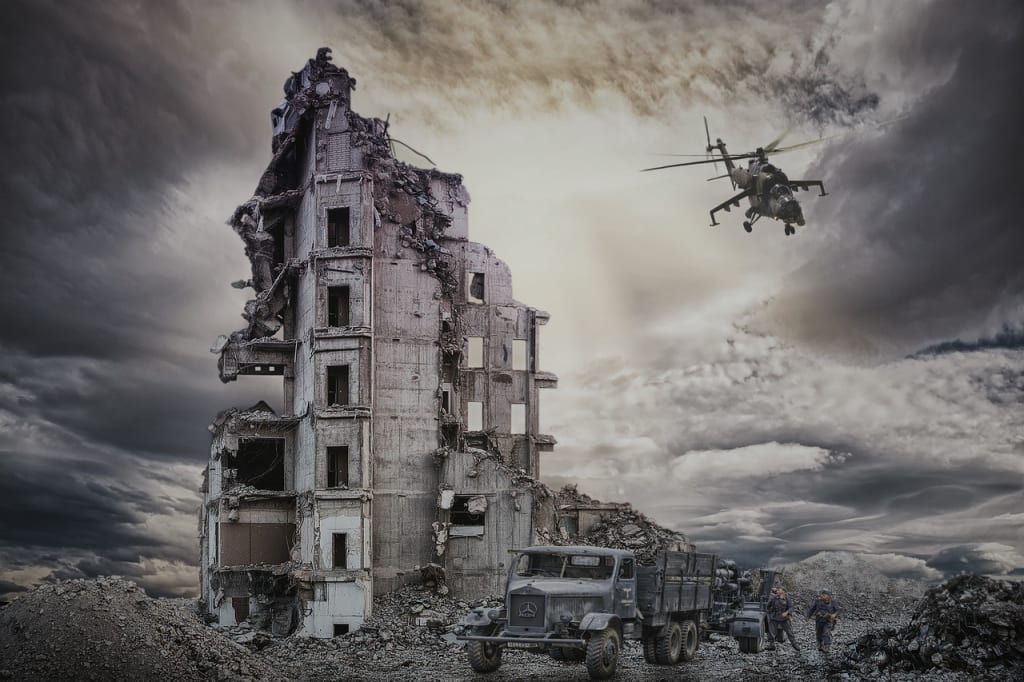
# The Suffering of Palestine: A Struggle for Existence and Dignity
## Introduction
The plight of the Palestinian people is a complex narrative steeped in history, marked by decades of conflict, displacement, and human rights violations. Since the mid-20th century, Palestinians have faced significant challenges that have shaped their identity and daily lives. This article delves into the historical context of Palestinian suffering, the humanitarian crises faced by the population, and the ongoing impact of political strife on their quest for dignity and self-determination.
## Historical Context
The roots of Palestinian suffering can be traced back to the early 20th century, particularly with the rise of nationalist movements in the region. The Balfour Declaration of 1917, which expressed British support for the establishment of a "national home for the Jewish people" in Palestine, set the stage for future conflict. The subsequent influx of Jewish immigrants and the establishment of the state of Israel in 1948 led to the Nakba, or "catastrophe," when over 700,000 Palestinians were forcibly displaced from their homes.
The Nakba not only resulted in a significant loss of life and property but also created a refugee crisis that persists today. Many Palestinians fled to neighboring countries, while others were internally displaced. The United Nations estimates that there are over five million Palestinian refugees worldwide, living in precarious conditions, often without citizenship or basic rights.
The occupation of the West Bank and Gaza Strip following the 1967 Six-Day War further exacerbated the suffering of Palestinians. The Israeli government established settlements in these territories, leading to widespread displacement and the erosion of Palestinian rights. The ongoing conflict has created an environment of fear, instability, and violence that continues to impact the daily lives of Palestinians.
## Humanitarian Challenges
The humanitarian situation in Palestine is dire, particularly in the Gaza Strip, where a blockade imposed by Israel since 2007 has created severe restrictions on movement and access to essential goods. The blockade has led to widespread poverty, high unemployment rates, and deteriorating infrastructure. According to the United Nations, over 50% of Gaza's population lives below the poverty line, and more than 70% rely on humanitarian aid for survival.
Access to healthcare is another critical issue. The health sector in Gaza faces numerous challenges, including shortages of medical supplies, equipment, and personnel. The ongoing conflict has resulted in injuries and psychological trauma among the population, yet access to adequate medical care remains limited. Many hospitals and clinics lack the necessary resources to provide comprehensive care, leading to preventable deaths and untreated illnesses.
In the West Bank, Palestinians face restrictions on movement due to checkpoints, roadblocks, and the separation barrier constructed by Israel. These restrictions hinder access to education, healthcare, and economic opportunities. The Israeli military presence and frequent clashes further exacerbate tensions, leading to injuries and fatalities among Palestinian civilians.
## Psychological Impact
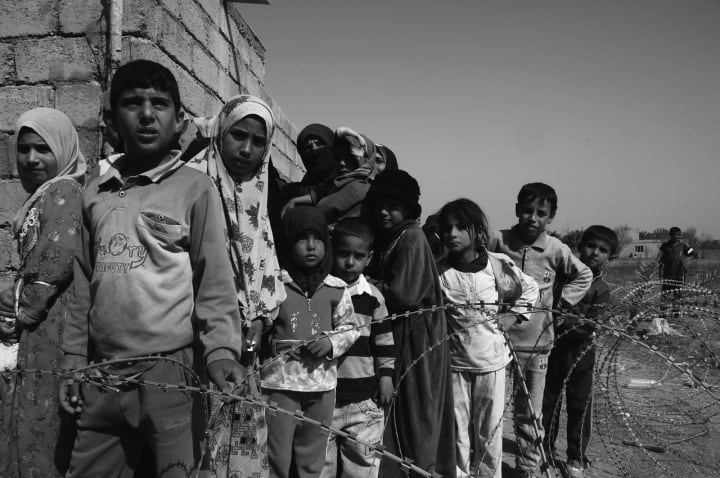
The psychological toll of living under occupation and in a conflict zone is immense. Many Palestinians suffer from anxiety, depression, and post-traumatic stress disorder (PTSD) due to the violence, displacement, and uncertainty that permeate their lives. Children, in particular, are vulnerable to the effects of trauma, which can hinder their development and future prospects.
Studies have shown that a significant percentage of Palestinian children exhibit signs of psychological distress, including nightmares, bedwetting, and difficulty concentrating. The lack of stable and secure living conditions, coupled with exposure to violence, has lasting effects on their mental health and well-being.
Efforts to provide mental health support are often hampered by limited resources and ongoing conflict. Mental health services in Palestine are underfunded and overwhelmed, leaving many individuals without the help they need to cope with their circumstances.

## The Quest for Dignity and Justice
Despite the suffering and hardships, Palestinians continue to advocate for their rights and seek justice. The struggle for self-determination is a central theme in Palestinian identity, and many individuals and organizations work tirelessly to raise awareness of their plight.
Nonviolent resistance has been a hallmark of the Palestinian struggle, with protests, demonstrations, and grassroots movements highlighting the injustices faced by the population. The Boycott, Divestment, Sanctions (BDS) movement has gained international support as a means to pressure Israel to comply with international law and respect Palestinian rights.
Palestinians in the diaspora also play a crucial role in advocating for their cause. Many engage in activism, raise awareness, and work to build solidarity with other marginalized communities around the world. The global Palestinian solidarity movement has mobilized efforts to challenge the narrative surrounding the Israeli-Palestinian conflict and promote the rights of Palestinians.
## International Response
The international community has often been criticized for its response to the suffering of Palestinians. While numerous resolutions and statements have called for an end to the occupation and respect for human rights, concrete actions have been limited. Many Palestinians feel abandoned by the international community, perceiving a lack of genuine commitment to their struggle for justice.
The role of the United States has been particularly contentious, as it has historically been a key ally of Israel. American support for Israeli policies has led to accusations of complicity in the suffering of Palestinians. The United Nations and various human rights organizations have called for accountability and an end to the violations faced by Palestinians, yet substantial progress remains elusive.
## Conclusion
The suffering of the Palestinian people is a multifaceted issue that encompasses historical injustices, humanitarian crises, and the quest for dignity and justice. The ongoing conflict and occupation have led to significant challenges, including poverty, violence, and psychological trauma. Despite these hardships, Palestinians continue to resist and advocate for their rights, seeking a future marked by justice and self-determination.
The plight of Palestine serves as a reminder of the importance of recognizing and addressing the human rights of all individuals, regardless of their nationality or background. Achieving a just and lasting resolution to the Israeli-Palestinian conflict requires a commitment to dialogue, accountability, and a recognition of the rights of all people involved. Only then can the suffering of Palestinians be alleviated, paving the way for a more peaceful and equitable future.
---
About the Creator
Say the truth
"Say the Truth: Explain Everything in the World" is your trusted source for uncovering facts and exploring the wonders of history, science, technology, and beyond. We simplify complex ideas and reveal truths to inspire curiosity .
Keep reading
More stories from Say the truth and writers in Journal and other communities.
The Global Balance of Power – Public Opinion on World Leadership
The All-around Antithesis of Power: Accessible Assessment on Apple Leadership The avant-garde apple is shaped by a few ascendant all-around powers, with the United States, China, and Russia at the forefront. These nations apply cogent access over all-embracing trade, advancing affairs, technology, and diplomacy. However, accessible assessment on these all-around admiral is acutely divided, shaped by actual events, bread-and-butter policies, advancing actions, and media portrayals.
By Say the truth 11 months ago in Journal
Getting Serious About Comedy (Part I)
If I were asked to remark on my life and the childhood that paved some road leading me to this point, I would have to say something about all the funny people who surrounded me for the last 26,872 days (and counting). Somewhere along that road, I became a big fan of laughter and the comedy that spawns it – and, I mean not only my own laughter, but the laughter of others, some of which I have actually been responsible for inducing.
By John Oliver Smith7 days ago in Humor


Comments (1)
well written👌