
"Winter Blues: Unveiling the Chilling Impact of Cold Weather on Prostate Health in Older Men"
Discover the Hidden Connections Between Winter's Chill and Prostate Health, and Learn Effective Strategies to Stay Healthy During the Cold Months.
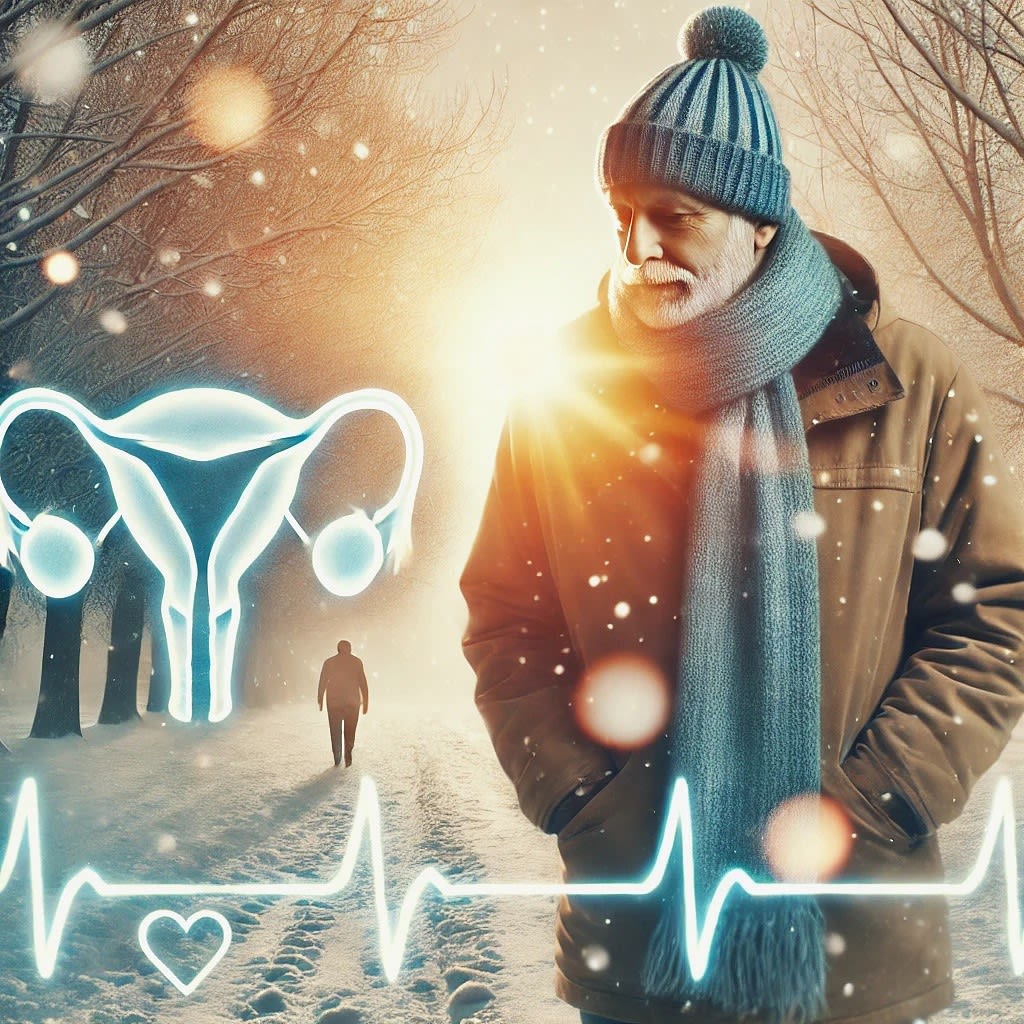
Winter Blues: Unveiling the Chilling Impact of Cold Weather on Prostate Health in Older Men
With winter looming, cold weather and shorter days set a cascade of physiological and psychological effects in place. People will discuss and often dwell on combating seasonal affective disorder or keeping warm. The often-neglected consequence, however, would be that the prostate gland—the walnut-sized organ playing an essential role in the reproductive system of a man—becomes affected during winter seasons for many elderly males. Understanding how winter affects prostate health will help prevent discomfort and improve general well-being.
Link Between Cold Weather and Prostate Health
Cold weather brings about a number of changes in the human body, including decreased circulation, increased inflammatory responses, and increased muscle tension. These changes may worsen pre-existing prostate conditions or even cause new problems to arise. The elderly are especially susceptible due to age-related physiological changes, hormonal shifts, and a greater predisposition to pre-existing prostate conditions.
Increased Risk of Chronic Prostatitis
Chronic prostatitis is a long-term inflammation of the prostate, which can worsen during winter months. Blood vessels constrict in response to cold weather, further reducing circulation to the pelvic area and exacerbating pains, discomforts during urination, and lower back aches. The chill also causes the pelvic muscles to tighten, which, in turn, exacerbates symptoms.
Worsening of Benign Prostatic Hyperplasia (BPH)
Benign Prostatic Hyperplasia, or BPH, is one of the common conditions affecting older men as the prostate gland enlarges, resulting in urinary symptoms. During winter, cold weather makes the frequent urination urge, nocturia (at-night urination), and incomplete bladder emptying more intense. This is because the body, in reaction to the cold, will increase urine production as the blood pressure rises.
UTIs are another common risk factor that has been found to be significantly more common during winter, due to low fluid intake, which people usually engage in when it is very cold. Concentrated urine irritates the bladder, thereby raising the risk for UTIs. The incidence of UTIs is further compounded in older men, who have already had BPH or prostatitis, which are the causes of this infection.
Psychological Impact and Prostate Health
Other effects of the winter season can also lead to seasonal affective disorder (SAD), which is a form of depression resulting from reduced sunlight. Stress and depression weaken the immune system and flare inflammatory conditions, thus proving unhealthy for the prostate. Also, a sedentary lifestyle during the colder months often leads to poor pelvic circulation, which increases discomfort in the prostate.
Practical Tips for Keeping Your Prostate Healthy This Winter
Although the challenges that come with winter are great, there are many effective strategies for protecting and promoting prostate health during the colder months. These include:
1. Stay Active
Regular physical activity is essential to maintaining good circulation and preventing inflammation. Low-impact exercises like walking, yoga, or swimming in heated pools will keep the pelvic area healthy and improve general well-being. Aim for at least 30 minutes of moderate exercise daily.
2. Balanced Diet
A diet that is rich in fruits, vegetables, whole grains, and lean proteins can supply the body with the necessary nutrients for prostate health. Foods rich in antioxidants, such as berries, spinach, and nuts, can help fight inflammation. Omega-3 fatty acids in fish like salmon and mackerel can also be anti-inflammatory to the prostate.
3. Hydrate
Winter means low sensation of thirst, yet adequate hydration is a must. Drinking water helps to eliminate toxins from the body and also reduces the possibilities of urinary tract infections. Herbal teas and warm lemon water are great alternatives that can help increase fluid intake.
4. Dress warmly.
Warming up the pelvic area can avoid tension in muscles and promote the flow of blood to the prostate. Thermal underwear, layered clothing, and warm baths all contribute to the optimal warming up.
5. Reduce Stress
Activities like meditation, deep breathing, and mindfulness can be effective at reducing stress levels. A calmer mind helps the immune system, thereby decreasing the chances of inflammation and its associated conditions in the prostate.
6. Periodic Check-up
Prostate health can change rapidly, especially in older men. Regular medical check-ups, including prostate-specific antigen (PSA) tests and digital rectal exams (DRE), can help in the early detection and management of prostate issues.
The Role of Supplements and Medications
For those seeking additional support, several supplements and medications may promote prostate health during winter:
Saw Palmetto: Known for reducing symptoms of BPH and improving urinary flow.
Zinc: Helps in preserving the prostate's function and combating inflammation.
Vitamin D: During winter, minimal sun exposure results in lower vitamin D levels, crucial for immune health and helping with inflammation. Supplement or consume foods that have a high vitamin D level, such as fortified dairy and fish.
Alpha-blockers and 5-alpha-reductase inhibitors: Drugs prescribed by physicians could also help in relieving the symptoms of BPH and improve urine flow.
Awareness of Early Symptoms
Older men should be watchful for any changes in urinary or pelvic health, especially during winter. Warning signs that require immediate medical attention include:
Difficulty in starting urination or weak urine flow
Blood in urine or semen
Pain in the pelvic area, lower back, or genital region
Frequent nighttime urination or a sudden inability to urinate
Conclusion,
Winter presents some specific challenges to the prostate health of older men, such as the cold weather, decreased levels of activity, and seasonal affective disorder. However, by understanding these impacts and taking proactive measures, men can minimize the impact of the winter blues on their prostate health. This includes staying active, maintaining a balanced diet, managing stress, and regularly consulting with a doctor for proper advice.
Prostate health investment not only enhances the quality of life but also prevents long-term complications, so winter is a season of wellness rather than discomfort. Older men can have the confidence and vitality to enjoy the colder months if they embrace these strategies.
About the Creator
Awinash Pathak
I'm a skilled content writer with a passion for crafting compelling and engaging narratives. I specialize in [Story writing, Health and wellness, Technology Reviews and Business and Career Related Niche,SEO, marketing, technical, creative.
Keep reading
More stories from Awinash Pathak and writers in Journal and other communities.
Unmasking the Silent Enemy: 4 Visible Signs of Fatty Liver You Should Never Ignore
Introduction In today’s fast-paced world, where unhealthy diets and sedentary lifestyles dominate, the silent progression of fatty liver disease (FLD) has become a significant health concern. Often unnoticed until it’s too late, fatty liver can quietly lead to severe liver damage if left untreated. While many cases remain asymptomatic, the body sometimes displays visible signs that act as early warning indicators. Recognizing these signs can be the key to timely diagnosis and treatment, potentially saving lives.
By Awinash Pathakabout a year ago in Journal
Author’s Advice
If you would’ve asked me 20 years ago did I know I’d become a writer and an author, I would’ve said “nope, ain’t happening”. As fate would have it I did become an author and I can honestly say I’m loving it so far. It really does feel good to be a writer. I’ve learned a lot on this journey and I feel like with even me being as new to this world as I am, there’s some wisdom I need to share with every other aspiring author.
By Joe Patterson5 days ago in Journal
Top tipple tricks
Been thinking a lot about drinking, lately. Not least because of a recent episode of over-indulgence and the inevitable after effects. Some readers may recall the earlier articles I wrote about beating the booze. Here I set out an experiment in techniques for cutting down on my alcohol intake. The experiment was successful, the techniques worked, and I have armed myself with an arsenal of weapons in the war against the demon drink. I have yet to fire the first round however. It's all a question of timing (perhaps procrastination).
By Raymond G. Taylor7 days ago in Psyche



Comments
There are no comments for this story
Be the first to respond and start the conversation.